Lawn
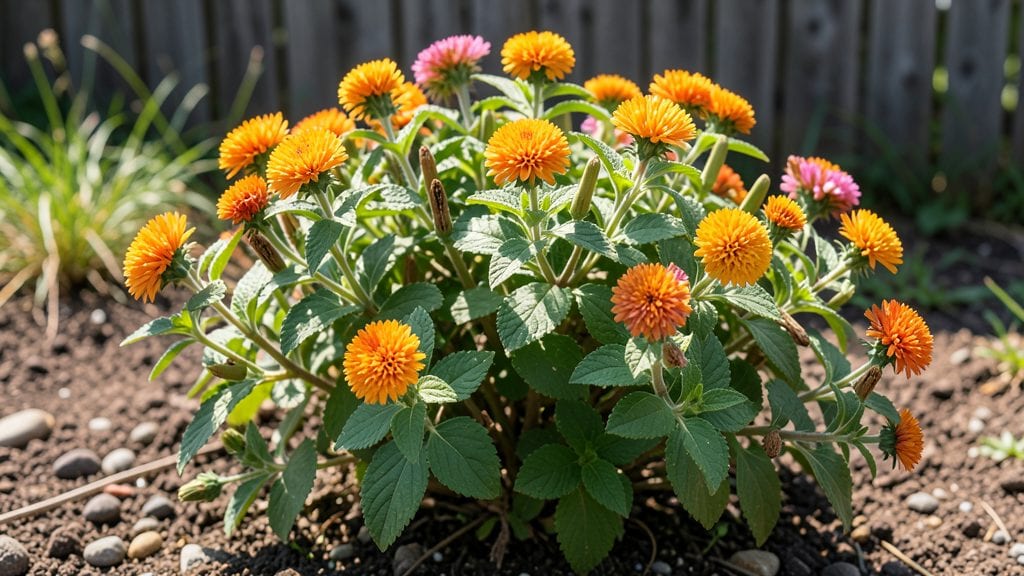
Harvesting lantana seed pods at the right moment turns your overgrown shrubs into free plants for next season. 🌿 The pods turn from green to brown and papery—this is your cue to start collecting before they split open and scatter seeds everywhere.
I’ve saved dozens of plants this way, and the process is simpler than you’d think, especially when you know the exact timing and handling tricks.
You’ll need just a few supplies: pruning shears, paper bags for drying, and a flat tray for spreading pods. The key is patience—wait until pods are fully dry before opening them, or the seeds won’t store well.
Once you’ve collected them, a week of drying in a warm, dry spot (like a sunny windowsill) ensures they’ll stay viable for months. This method works for both wild lantana and cultivated varieties, making it perfect for gardeners who love free propagation.
With dried seeds in hand, you’re ready to plant or store them for later. Lantana seeds germinate quickly when kept moist and warm, often sprouting within a week. The seedlings grow fast, too—just give them bright light and occasional pinching to keep them bushy.
You’ll end up with thriving lantana plants that spread effortlessly, adding vibrant color to your garden year after year.
This method works whether you’re expanding your existing plants or starting from scratch. Just avoid damp conditions when storing seeds, and you’ll have a reliable supply ready whenever you’re ready to plant. Now, let’s get those pods harvested before they’re gone!
📚 In This Guide
- What you need
- Instructions
- Tips and common mistakes
- Wrapping up and next steps
What you need
- ● Lantana plants in bloom (preferably with mature seed pods—look for brown or drying pods!).
- ● Pruning shears or sharp scissors (clean, sterilized blades to avoid spreading disease).
- ● Large cardboard boxes or paper bags (2–3, labeled "Lantana Seed Pods" for easy sorting).
- ● Newspaper or brown paper (enough to line a drying surface, ~2–3 sheets).
- ● Small mesh bags or breathable fabric sacks (for storing dried pods; 5–10 bags, depending on yield).
- ● Rubbing alcohol (70% isopropyl) and cotton swabs (for sanitizing tools between cuts).
- ○ Gloves (optional but recommended)—lantana can irritate skin for some folks!
- ● Drying rack or screen (to elevate pods for airflow; a wire cooling rack works great!).
- ● Fan or dehumidifier (if your space is humid, speed up drying time!).
- ● Labeling tags and permanent marker (to note harvest dates or varieties).
- ● Fine-mesh sieve or colander (for separating seeds from chaff post-drying).
- ● Vacuum-seal bags or airtight containers (for long-term seed storage beyond 1 year).
How to harvest and dry lantana seed pods for long-term storage
Here's my foolproof method for preserving lantana seeds—no fancy tools, just patience and timing.
🌿 Step 1: Identify and Harvest Mature Seed Pods
Wait until the lantana flowers have turned completely brown and begun to dry on the plant. Mature seed pods look papery and brittle—run your thumb along one and it should crumble slightly. Harvest pods on a dry morning after dew has evaporated to prevent moisture from ruining your seeds.
Gently twist each pod from the stem or use clean pruning shears to snip the stem. Place pods in a paper bag (not plastic—it traps moisture) and label with the harvest date. I like to include the lantana variety if I'm saving seeds from a specific cultivar, like 'Bandana Burgundy' or 'Lemon Lantana'.
💧 Step 2: Dry the Pods Thoroughly Before Opening
Spread the harvested pods in a single layer on a clean, dry towel or mesh screen. Place them in a warm, dry location with good airflow—like a sunny windowsill or a well-ventilated room. Avoid direct sunlight, which can overheat the pods and cause them to crack prematurely.
Turn the pods every 24 hours to ensure even drying. You'll know they're ready when they feel completely dry and hollow when shaken. This process usually takes 7-10 days, depending on your climate's humidity. If your home is particularly damp, you might need to extend drying to 2 weeks.
✂️ Step 3: Extract and Clean the Seeds
Once the pods are fully dry, place them in a clean, dry bowl and gently crush them with your fingers or a rolling pin. The seeds will spill out easily—lantana seeds are small, flat, and dark brown to black. Sift the crushed pods through a fine-mesh strainer to separate the seeds from the chaff.
Transfer the seeds to a clean, dry container and inspect them. Discard any seeds that appear shriveled, discolored, or damaged. Healthy seeds should be firm and uniformly colored. I like to store them in a small glass jar with a tight-fitting lid for easy access later.
🪴 Step 4: Store Seeds Properly for Long-Term Viability
Place the jar of seeds in a cool, dark location—like the back of a pantry or inside a refrigerator. Lantana seeds can remain viable for 2-3 years when stored correctly. I always include a small piece of silica gel packet in the jar to absorb any lingering moisture and prevent mold.
Label the jar with the seed type, harvest date, and storage date. This helps you keep track of seed age and ensures you use the oldest seeds first. Check the jar every 6 months to make sure the seeds haven't dried out or developed mold. If you notice any issues, transfer the seeds to a fresh, dry container immediately.
Tips & tricks for perfect lantana seed pod harvesting
These simple strategies will help you maximize your lantana seed yield while keeping them viable for years—no gardening experience required.
Timing Secret: Harvest pods only after they've fully matured and turned completely brown. I learned this the hard way after trying to harvest too early—immature pods won't release seeds properly. The best time is on a dry morning when dew has evaporated, as any moisture can ruin your seeds during storage.
Drying Technique: The 24-hour turning schedule is crucial for even drying. I've found that placing pods near a gentle airflow source (like a small fan on low) can cut drying time by 1-2 days in humid climates. Just avoid direct airflow that could blow pods around or cause uneven drying.
Storage Wisdom: For long-term viability beyond the 2-3 year mark, consider adding a second silica gel packet to your storage jar. I've had success extending seed life to 4-5 years using this method, though germination rates may decrease slightly after 3 years. Always store seeds in airtight containers to prevent moisture absorption.
Seed Quality Check: When inspecting seeds after extraction, look for uniform color and firmness. Any seeds that feel soft or have irregular shapes should be discarded immediately. I keep a magnifying glass handy for this step—it helps spot tiny imperfections that might affect germination.
Pro Tips for Lantana Seed Pod
- These simple strategies will help you maximize your lantana seed yield while keeping them viable for years—no gardening experience required.
- Timing Secret: Harvest pods only after they've fully matured and turned completely brown.
- Drying Technique: The 24-hour turning schedule is crucial for even drying.
Frequently asked questions
Got questions about lantana seed pods? You’re not alone! Here are some of the most common queries—plus straightforward answers to help you navigate harvesting, drying, and storage like a pro.
When is the best time to harvest lantana seed pods?
Harvest lantana seed pods when they turn light brown and start splitting open—usually in late fall to early winter (varies by climate). Wait too long, and seeds may scatter or lose viability. Aim for a dry, sunny day to speed up drying.
How long does it take to dry lantana seed pods?
With proper airflow (like a well-ventilated room or dehydrator at 95–100°F), pods dry in 3–7 days. Check daily—over-drying can make seeds brittle. Spread them in a single layer on mesh screens for even drying.
What do I do if my lantana seed pods mold or rot?
Mold or rot usually means high humidity during drying. Fix it by:
- Moving pods to a dry, shaded spot immediately.
- Discarding any visibly moldy pods (they won’t store well).
- Using a fan to improve airflow next time.
Can I use lantana seed pods for anything other than storage?
Beyond seeds, dried pods add texture to crafts (like wreaths or potpourri) or can be crushed into natural dye (yellow/orange hues). Just ensure they’re fully dry to avoid staining.
How should I store dried lantana seed pods long-term?
Store pods in airtight containers (like glass jars) with a silica gel packet to absorb moisture. Keep them in a cool, dark place (like a pantry) for up to 2–3 years. Label with the harvest date!
Wrapping up and next steps
Harvesting and drying lantana seed pods is a rewarding way to ensure a steady supply of these vibrant plants for your garden—no matter the season! By following the right steps, you’ll enjoy low-maintenance, drought-resistant beauty while supporting pollinators. 🌿
Ready to take the next step? Start small—try drying a few pods this week and experiment with storage methods. Soon, you’ll have a year-round stash of lantana seeds, ready to brighten up your outdoor space effortlessly. Happy gardening! 🌟