
Lawn
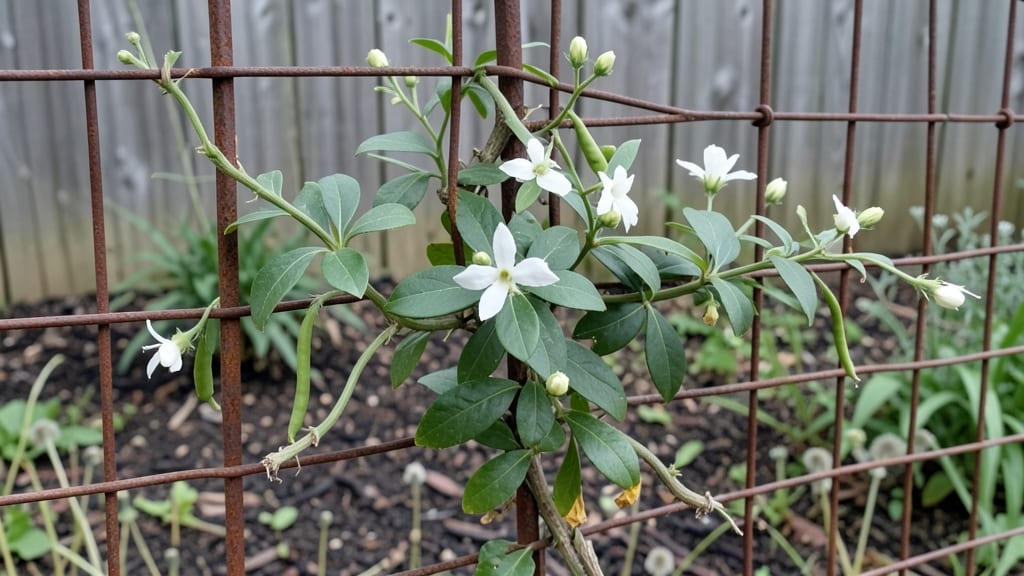
Turn those dried jasmine seed pods into a fragrant privacy screen that smells like summer every year. 🌿 I’ve grown jasmine from seed for years—there’s nothing quite like watching those delicate vines climb and fill your yard with intoxicating perfume by year three.
The key is patience and knowing exactly when to collect, process, and plant those tiny seeds.
You’ll need just a few things: ripe jasmine seed pods (harvested in late fall), a bowl of water, a paper towel, and small pots filled with well-draining soil.
The process takes about 6-8 weeks from seed to transplant, but the payoff is worth it—imagine a living wall of jasmine that blooms from spring to fall. Most people struggle with germination, but I’ve got a simple trick to boost those success rates.
Once planted, jasmine thrives in partial shade with moist, slightly acidic soil. Keep seedlings consistently damp but never soggy, and you’ll see those first true leaves within 3-4 weeks.
By year two, you’ll have strong vines ready to train on trellises or fences, and by year three, your privacy screen will be in full bloom—fragrant, lush, and impossible to resist.
This method works for both star jasmine (Trachelospermum jasminoides) and common jasmine (Jasminum officinale), though star jasmine grows faster and handles cooler climates better.
If you live in Zone 7 or warmer, you can even plant seeds outdoors in early spring—just be ready to protect them from late frosts. Let’s get those seeds growing!
📚 In This Guide
- What you need
- Instructions
- Tips and common mistakes
- Wrapping up and next steps
What you need
- ● Jasmine seed pods: 10–20 pods (depending on desired coverage; 1 pod yields ~50 seeds). Opt for Jasminum officinale (common jasmine) or Jasminum grandiflorum (Spanish jasmine) for best fragrance.
- ● Well-draining potting mix: 5–10 gallons (sterilized, peat-based or coconut coir blend for moisture control). Avoid heavy clay soils.
- ● Seed-starting trays or small pots: 2–4" deep, with drainage holes (10–20 trays/pots, depending on seed quantity).
- ○ Biodegradable seed-starting pellets or coconut coir: 1–2 pellets per seed (optional but speeds germination).
- ● Grow lights or sunny windowsill: 6–8 hours of indirect light daily (south-facing window or LED grow lights for 12–14 hours/day).
- ● Misting bottle or spray nozzle: For gentle watering (avoid oversaturating seeds).
- ● Plant labels & markers: Waterproof tags to track varieties (especially if mixing types).
- ● Outdoor planting site: Full sun (6+ hours/day) or partial shade (morning sun, afternoon shade). Choose a spot with 6–8 feet of vertical space (jasmine climbs!).
- ● Trellis, fence, or arbor: Sturdy structure for support (at least 6–10 feet tall; metal or wood with 4–6" spacing between slats).
- ● Organic fertilizer (balanced 10-10-10 or 5-5-5): 1–2 cups per 10 sq. ft. of planting area (apply after transplanting).
- ● Pruning shears: Sharp, sterilized shears for trimming (disinfect with rubbing alcohol between cuts).
- ● Garden trowel or transplanting spade: For moving seedlings to the ground (6–8" deep holes).
- ○ Gloves (optional): Protect hands from thorns (especially Jasminum grandiflorum).
- ○ Mulch (optional): 2–3" layer of wood chips or straw to retain moisture and suppress weeds.
- ○ pH test kit (optional): Ideal soil pH: 6.0–7.0. Adjust with lime (to raise pH) or sulfur (to lower) if needed.
- ○ Cold frame or greenhouse (optional): Extends growing season in cooler climates (Zone 7 and below).
Step-by-step instructions for growing a jasmine privacy screen from seed pods
Turn those fragrant seed pods into a living, scented privacy screen in just three years.
🌱 Step 1: Extract and Stratify the Seeds
Collect mature jasmine seed pods (they turn brown and papery when ready) and gently squeeze them to release the flat, dark seeds inside. Don’t wash them—just let them air dry for a day or two. Here’s the thing: jasmine seeds need a cold period to break dormancy, so place them in a sealed plastic bag with a damp paper towel. Store the bag in your refrigerator for 6-8 weeks—this mimics winter and tricks the seeds into germinating.
Check the seeds weekly. Once they start to soften slightly or show tiny cracks, they’re ready for planting. If you skip this step, you’ll wait months for germination—or worse, never see sprouts at all.
🪴 Step 2: Plant in Well-Draining Containers
Fill 4-inch diameter pots with a mix of 50% potting soil and 50% perlite—this ensures drainage, which jasmine roots demand. Plant 2-3 seeds per pot, pressing them just below the surface (¼ inch deep) but not burying them. Gently pat the soil around them to make contact without compacting.
Water lightly until the soil feels moist but not soggy. Place the pots in a warm spot (70-75°F) with bright, indirect light. A sunny windowsill works, but avoid direct midday sun—it dries the soil too fast. You’ll see tiny sprouts in 4-8 weeks, but don’t rush them. Patience here pays off.
☀️ Step 3: Transplant and Train for Privacy
Once seedlings have 3-4 sets of true leaves (not the first tiny ones), transplant them into the ground or larger containers (12-inch diameter). Space them 3 feet apart in rows 4 feet apart—this gives them room to spread and create that lush, fragrant barrier. Jasmine thrives in full sun to partial shade, but morning sun and afternoon shade work best in hot climates.
Here’s where it gets fun: as the vines grow, gently weave them onto a trellis or fence. Don’t force them—just guide them upward. Within a year, you’ll see rapid growth, and by year three, your privacy screen will be thick enough to block views and fill the air with that classic jasmine scent.
💧 Step 4: Water and Fertilize for Lush Growth
Water deeply once a week during the first year, letting the soil dry out slightly between waterings. Jasmine roots are shallow, so mulch around the base with 2 inches of organic mulch to retain moisture and keep roots cool. In the second year, reduce watering to every 10-14 days—overwatering is the fastest way to kill these plants.
Feed with a balanced liquid fertilizer (10-10-10) every 4-6 weeks during spring and summer. You’ll notice faster growth and more abundant blooms if you fertilize after watering—this prevents root burn. Prune lightly in late winter to shape the screen and remove any dead or leggy growth.
✂️ Step 5: Prune and Maintain for Long-Term Beauty
After the first blooms fade, trim back one-third of the new growth to encourage bushier, denser vines. This keeps your privacy screen thick and prevents gaps from forming. Jasmine blooms best on new wood, so a little pruning in early spring stimulates more flowers—and more of that intoxicating fragrance.
Watch for pests like aphids or spider mites, which love jasmine’s tender new growth. Spray with neem oil if you spot them early—it’s gentle but effective. With consistent care, your jasmine screen will not only block unwanted views but also fill your space with natural perfume for decades.
Tips & tricks for growing a jasmine privacy screen
Creating a fragrant jasmine privacy screen takes patience, but these tips will help you avoid common pitfalls and maximize success.
Stratification Secret: The 6-8 weeks of cold stratification is non-negotiable for jasmine seeds. I learned this the hard way—skipping it means waiting months for germination or giving up entirely. Place the sealed bag in the crisper drawer of your fridge for more consistent temperatures. Check weekly for softening or tiny cracks, which signal readiness to plant.
Soil Mix Matters: That 50% potting soil/50% perlite mix in Step 2 isn't just about drainage—it's about preventing root rot. Jasmine roots are shallow but sensitive to soggy conditions. If you don't have perlite, coarse sand works in a pinch, but avoid garden soil which can compact and suffocate tender roots.
Lighting Strategy: Bright, indirect light is key during germination. A sunny windowsill can work, but watch for temperature fluctuations—jasmine seeds prefer steady 70-75°F. If your windowsill gets too hot, move pots to a spot with filtered light. Grow lights on a timer (14 hours on, 10 off) create ideal conditions if natural light is insufficient.
Transplanting Timing: Wait for 3-4 sets of true leaves before transplanting—those first tiny leaves are just baby energy. At this stage, roots are strong enough to handle the move. If you rush it, you risk shock that stunts growth. A good rule of thumb: if you can see the second set of true leaves forming, it's time to transplant.
Pro Tips for Jasmine Seed Pods
- Creating a fragrant jasmine privacy screen takes patience, but these tips will help you avoid common pitfalls and maximize success.
- Stratification Secret: The 6-8 weeks of cold stratification is non-negotiable for jasmine seeds.
- Soil Mix Matters: That 50% potting soil/50% perlite mix in Step 2 isn't just about drainage—it's about preventing root rot.
Frequently asked questions
Got questions about growing jasmine seed pods for your fragrant privacy screen? You’re not alone! Here are answers to the most common queries—so you can plant with confidence and enjoy those sweet blooms in no time.
How long does it take for jasmine seed pods to germinate?
Jasmine seed pods typically germinate in 2–4 weeks when kept in warm, moist conditions (70–75°F). Pre-soaking seeds for 24 hours can speed this up! Patience is key—some may take longer, especially in cooler climates. Pro tip: Use a seedling heat mat if germination feels sluggish.
When is the best time to plant jasmine seed pods outdoors?
Plant jasmine seed pods after the last frost in spring (or early fall in mild climates). Soil should be at least 60°F to avoid damping-off. If starting indoors, sow seeds 8–10 weeks before transplanting to give seedlings a head start. Pro tip: Harden off seedlings gradually to prevent shock when moving them outside.
Can I grow jasmine from seed pods I find in my yard?
Yes! Wild jasmine seed pods can grow, but results vary—some may not be true to the parent plant’s fragrance or vigor. For reliable growth, opt for store-bought seeds or pods from a trusted nursery. If using wild pods, clean them thoroughly to remove pests or diseases. Pro tip: Test a few pods first to ensure they’re viable.
How do I troubleshoot jasmine seed pods that aren’t sprouting?
If your pods aren’t sprouting, check these fixes:
- Moisture: Keep soil consistently damp (not soggy) with a spray bottle or humidity dome.
- Temperature: Ensure warmth—move pots to a sunny windowsill or use a heat mat.
- Light: Provide bright, indirect light (direct sun can dry them out).
- Viability: Test a few seeds in warm water—if they sink, they’re likely viable.
If all else fails, try fresh seeds or a different growing medium.
What’s a good alternative if jasmine seed pods take too long to grow?
If you need faster privacy, consider these fragrant, fast-growing alternatives:
- Bougainvillea (3–5 years to mature, drought-tolerant).
- Star Jasmine (Trachelospermum) (2–3 years, evergreen in warm climates).
- Wisteria (3–5 years, but climbs quickly with support).
- Privet (Ligustrum) (2–3 years, dense and hardy).
For instant fragrance, plant mature jasmine bushes or use potted jasmine near patios.
Wrapping up and next steps
Jasmine seed pods offer a fragrant, low-maintenance solution for creating a lush, privacy-focused hedge in just three years—without the hassle of constant pruning or high costs. Whether you're drawn to their intoxicating scent, vibrant blooms, or eco-friendly appeal, these fast-growing plants deliver both beauty and functionality.
Ready to transform your outdoor space? Start by gathering your supplies, choosing the perfect spot, and planting with confidence—your future fragrant oasis awaits! 🌿✨
Next step: Grab those seed pods and get planting—your backyard sanctuary is just a few months away! 🌱