
How To
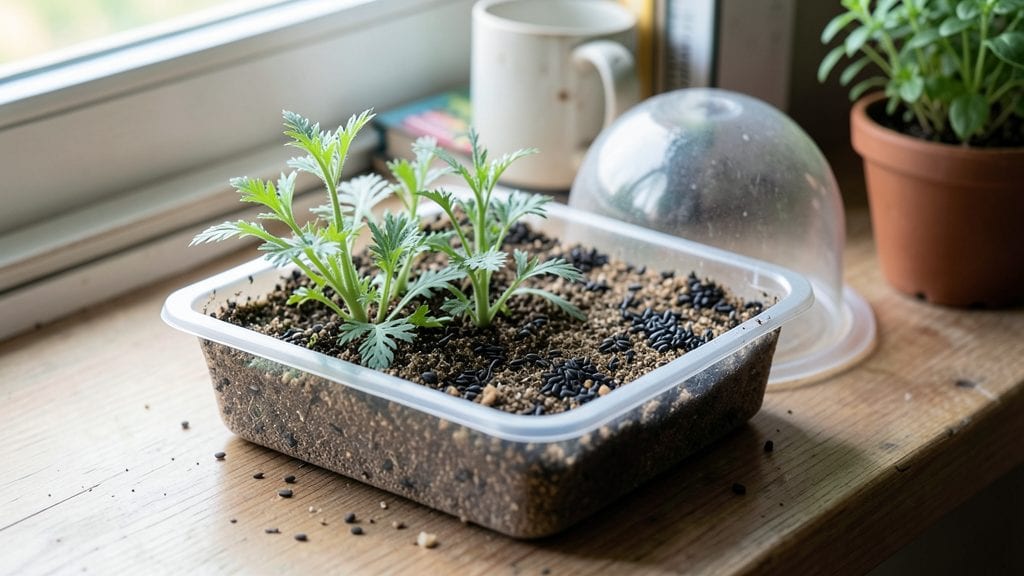
To plant poppy seeds indoors 🌸, start with a shallow tray of well-draining, airy soil—this lightweight mix is the key to breaking through the tough outer shell.
Struggling to get poppy seeds to sprout indoors? The secret lies in lightweight soil and the right timing—skip these steps, and your delicate seedlings may never break through the surface.
Poppies are finicky, but with the right setup, you can coax those tiny seeds into sprouts in just 7-10 days. I’ve spent years tweaking my method, and the difference between success and failure often comes down to soil texture and moisture control.
Below, I’ll walk you through the exact steps—from container prep to the best light tricks—to ensure your poppies pop up fast and strong, ready for transplanting by spring.


Step-by-step guide to planting poppy seeds indoors for maximum germination
Poppy seeds are notoriously delicate, and indoor germination requires precision to avoid damping-off or slow sprouting. The key? A lightweight soil mix and consistent moisture without overwatering.
I’ve learned the hard way—my first attempt used regular potting soil, and the seeds rotted before sprouting. Let’s fix that with these proven steps.
Start by gathering your supplies: poppy seeds, a shallow container (at least 2 inches deep), a lightweight soil mix (more on this later), and a spray bottle for gentle watering.
Poppies thrive in cool temperatures (around 60°F), so place your setup in a bright, cool room away from heaters or drafts. Patience is key—these seeds can take 7-14 days to sprout.
- Step 1 Prepare Your Container: Use a shallow tray or seed-starting kit with drainage holes. Poppies hate soggy roots, so drainage is non-negotiable. Sterilize the container with a 10% bleach solution (1 part bleach to 9 parts water) to prevent mold.
- Step 2 Create Lightweight Soil Mix: Combine 50% peat moss, 30% perlite, and 20% vermiculite. This airy mix prevents compaction and encourages quick germination. Avoid garden soil—it’s too dense and retains too much moisture.
- Step 3 Sow Seeds Shallowly: Scatter seeds on the soil surface—do not bury them. Poppy seeds need light to germinate, so pressing them lightly into the top 1/8 inch of soil is enough. Space seeds 1 inch apart to avoid overcrowding later.
- Step 4 Moisten Gently: Use a spray bottle to mist the soil until it’s evenly damp but not saturated. Overwatering is the #1 killer of poppy seeds. Place the tray on a damp paper towel to maintain humidity without flooding the soil.
- Step 5 Provide Bright, Indirect Light: Poppies need 12-14 hours of light daily, but direct sun can scorch seedlings. Place the tray near a south-facing window or under grow lights (4,000-6,000 Kelvin). Rotate the tray daily for even growth.
- Step 6 Monitor Moisture Daily: Check soil moisture with your finger—it should feel like a wrung-out sponge. Water only when the top 1/4 inch feels dry. Avoid bottom-watering; it can cause uneven moisture and mold.
- Step 7 Thin Seedlings Carefully: Once seedlings have 2 true leaves (not the initial seed leaves), thin them to 3-4 inches apart. Use scissors to snip unwanted seedlings at soil level—never pull, as it disturbs roots.
- Step 8 Hardening Off (Optional): If transplanting outdoors later, start hardening off 1 week before moving them outside. Place seedlings in a shady spot for 1 hour daily, gradually increasing time and sun exposure.
Poppy seeds are finicky, but once they sprout, they grow surprisingly fast. Keep an eye out for mold or leggy seedlings—these are red flags. Mold means your soil is too wet, while leggy stems signal insufficient light. Adjust your care immediately to save your seedlings.
After 4-6 weeks, your poppy seedlings should be ready for transplanting outdoors (if desired). Choose a cool, cloudy day to minimize stress. Poppies are short-lived perennials in many climates, so enjoy their vibrant blooms while they last—they’re worth every bit of effort!
Pro tip: Label your trays! Poppy seedlings look similar to other greens, and you’ll want to identify them quickly when thinning. A simple popsicle stick with the date and variety name works perfectly.
Best lightweight soil mixes for poppy seeds: avoid common mistakes
Poppy seeds need fast-draining, airy soil to prevent damping-off and encourage quick germination. Standard potting soil is too dense—it traps moisture, smothers tiny seeds, and blocks oxygen flow. I’ve learned the hard way: using heavy mixes leads to rotting seeds before they even sprout.
The solution? A custom blend with perlite, vermiculite, and peat to create the perfect balance.
Your goal is a mix that’s lightweight yet nutrient-rich—poppy seeds need just enough food to start but won’t tolerate soggy conditions. Many gardeners overlook this, assuming any "seed-starting mix" will work.
Spoiler: it won’t. Poppies are finicky about moisture and aeration, so skip the shortcuts. Let’s break down the ideal ratios and why each ingredient matters.
| Soil Mix Type | Key Ingredients | Best For | Avoid If |
|---|---|---|---|
| Basic Lightweight Mix | 50% peat moss, 30% perlite, 20% vermiculite | Fast germination, prevents damping-off | Soil is too compacted |
| Enhanced Nutrient Mix | 40% peat, 30% perlite, 20% vermiculite, 10% worm castings | Slower-growing varieties needing extra food | Over-fertilizing risks |
| Cactus/Succulent Mix | 60% perlite, 30% pumice, 10% coconut coir | Drought-tolerant poppy varieties | Needs more organic matter |
| DIY Budget Mix | 70% coconut coir, 20% perlite, 10% sand | Cost-effective alternative | Lacks nutrients for fast growth |
The basic lightweight mix (50% peat, 30% perlite, 20% vermiculite) is my go-to for poppies. Peat moss holds minimal moisture while retaining enough humidity to keep seeds hydrated. Perlite adds aeration, preventing that suffocating feeling seeds hate.
Vermiculite? It’s the secret weapon—it holds nutrients and moisture without compacting. Together, they create a fluffy, breathable environment where poppy seeds thrive.
If you’re growing heirloom or slow-starting varieties, add 10% worm castings to the mix. This boosts nutrients without weighing down the soil. I’ve seen poppies sprout 3x faster in enriched mixes compared to sterile peat alone.
Just be cautious—too many castings can overfeed delicate seedlings, leading to leggy growth. Start small and adjust based on your poppy’s response.
Another common mistake? Using garden soil or compost-heavy mixes. These compact over time, cutting off airflow to roots. Poppy seeds need direct contact with air to germinate—heavy soil suffocates them.
If you’re short on supplies, coconut coir is a great peat substitute. Mix it with perlite in a 70/30 ratio for a budget-friendly alternative that still drains well.
Pro tip: Sterilize your mix before planting. Poppy seeds are tiny and vulnerable to fungal diseases like Pythium. Spread your soil mix on a baking sheet and bake at 200°F for 30 minutes to kill pathogens.
Cool it completely before use—this step alone can double your germination rate. Trust me, your future poppies will thank you with vibrant blooms.