
How To
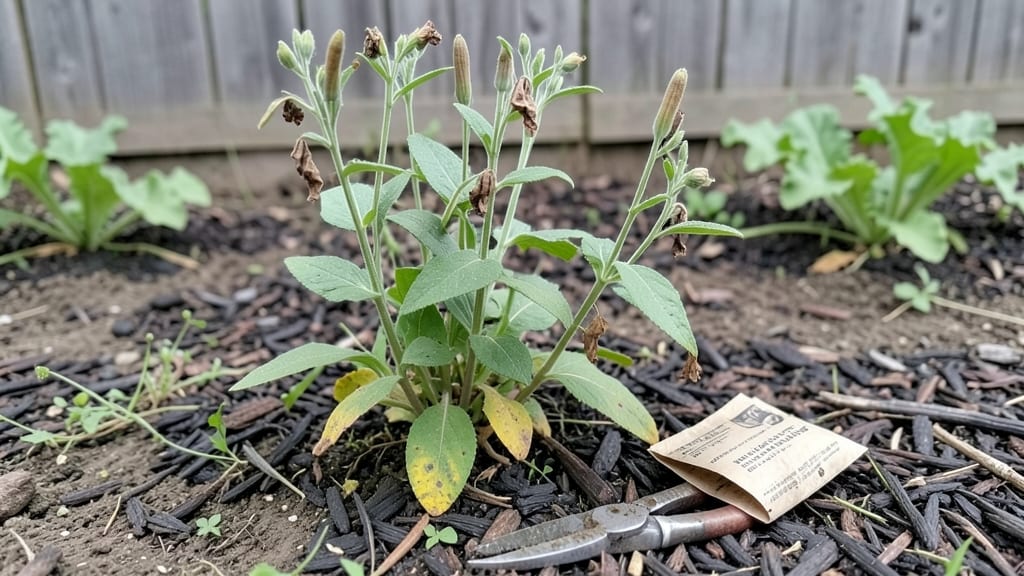
Harvesting snapdragon seeds 🌸 is the secret to growing next year’s hardier, more colorful plants—but timing and technique make all the difference.
Snapdragons aren’t just beautiful garden flowers—they’re powerhouses of next year’s growth, hiding seeds that can produce even stronger, more vibrant plants if harvested correctly.
Most gardeners miss the window, either picking pods too early (when seeds won’t germinate) or waiting too long (when they scatter in the wind).
In this guide, I’ll walk you through the exact steps to collect seeds at peak maturity, dry them properly, and store them for 90%+ germination rates—so you can skip the nursery next spring.

When to harvest snapdragon seeds for maximum viability and germination success
Timing is everything when harvesting snapdragon seeds. Collect them too early, and you’ll get underdeveloped seeds with poor germination rates. Wait too long, and the seeds may shatter or lose viability.
The key lies in watching for visual cues that signal perfect readiness—typically 8-12 weeks after flowering begins, depending on your climate.
Snapdragons thrive in USDA zones 6-10, but your local weather plays a huge role. In cooler regions, aim for late summer to early fall (August-September) when temperatures drop slightly.
Warmer climates may extend the window into early October, but avoid harvesting after the first frost, as moisture can ruin your seeds.
Here’s what to look for: dry, brown seed pods that split open at the top and rattle when shaken. These signs mean the seeds inside are mature and ready for collection. The pods should also feel papery and brittle, not firm or green—this is your green light to harvest!
-
Step 1: Identify Mature Seed Pods
Look for light brown, dry pods that have turned away from the plant. Avoid green or swollen pods—they’re not ready! -
Step 2: Check for Pod Splitting
Gently squeeze the pod—if it splits open slightly or feels hollow, it’s time to harvest. Closed pods mean seeds aren’t mature yet. -
Step 3: Test for Seed Readiness
Shake the pod over a white surface. If seeds rattle and fall out easily, they’re ready. No sound? Wait a few more days. -
Step 4: Harvest Before Rain
Collect seeds on a dry, sunny day to prevent moisture damage. Avoid harvesting after rain or when humidity is high. -
Step 5: Time Your Harvest
In cool climates, harvest by late September to avoid frost. In warm climates, you may extend until October, but stop before frost.
Climate factors like humidity and temperature can speed up or slow down seed maturation. In humid regions, pods may dry faster, so monitor them closely. Conversely, dry, hot summers can delay maturation—don’t rush the process. Patience ensures higher germination rates next season.
One common mistake is harvesting seeds from overripe pods. These pods may shatter, scattering seeds before you can collect them. If you notice pods cracking open on their own, act quickly to salvage the seeds. Overripe seeds also have lower viability, so timing is critical.
Pro tip: Label your seeds by variety and harvest date. This helps track which seeds perform best in your garden. For example, ‘Black Prince’ snapdragons may mature slightly later than ‘Matrix’ varieties, so keep notes to refine your timing next year.
If you’re unsure whether your pods are ready, perform the shake test daily. Place a pod in a paper bag and shake gently. If seeds fall out easily, they’re ready. If not, leave the pod on the plant for another 2-3 days and retest.
Harvesting at the right time isn’t just about seeds—it’s about preserving your snapdragon’s genetic traits. Properly collected seeds will grow into plants with the same color, size, and vigor as their parents, ensuring your garden stays vibrant year after year.
Once you’ve mastered the timing, you’ll enjoy healthier, more reliable snapdragon growth in future seasons. Happy harvesting! 🌸
Step-by-step guide to collecting and storing snapdragon seeds properly
Once your snapdragon flowers have faded and the seed pods form, you’re holding the key to next year’s garden. Properly harvesting and storing these seeds ensures high germination rates and healthy new plants.
The process is simple but requires attention to detail—especially when it comes to drying pods and preventing moisture damage.
Timing is everything. Wait until seed pods turn a dry brown color and begin splitting open naturally. If you harvest too early, seeds won’t mature; too late, and they may scatter or lose viability.
Grab a pair of gardening shears or snips and follow these steps to preserve your seeds for planting.
- Step 1: Identify mature pods—look for brown, dry pods that rattle when shaken. Avoid green or firm pods.
- Step 2: Cut pods from the stem using clean shears. Place them in a paper bag or open container to allow airflow.
- Step 3: Dry pods in a warm, dry place (like a sunny windowsill) for 1-2 weeks. Stir occasionally to prevent mold.
- Step 4: Extract seeds by gently crushing dried pods over a white sheet of paper. Remove debris with a fine-mesh sieve.
- Step 5: Store seeds in paper envelopes or airtight containers with a silica gel packet to absorb moisture.
- Step 6: Label seeds with the variety name, harvest date, and storage location to avoid confusion next season.
Labeling is non-negotiable. Snapdragons come in dozens of varieties, from dwarf types to tall standards, and mixing them can lead to disappointing results. Use a permanent marker on envelopes or small tags tied to containers.
Include the year harvested—seeds typically retain viability for 2-3 years if stored properly.
For long-term storage, place seeds in a cool, dark place like a refrigerator or seed vault. Avoid plastic bags—moisture buildup is the enemy of seed longevity. If you’re unsure about storage conditions, a desiccant packet in the container can save your seeds from mold or rot.
Pro tip: Test a few seeds before storing the rest. Place a handful in a moist paper towel and check for sprouting in 7-14 days. If germination is strong, your storage method is working! If not, adjust drying times or storage conditions for next year.
With these steps, you’ll have a reliable seed stash ready for next spring’s snapdragon patch. Happy harvesting—your future garden will thank you! 🌸