
How To
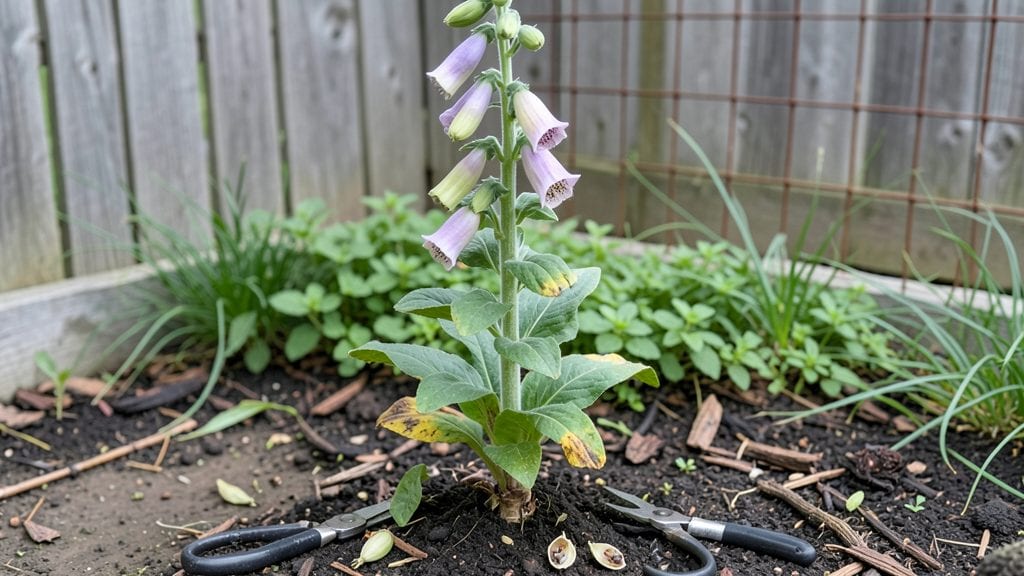
Harvesting foxglove 🌸 seeds the right way means waiting for those papery brown pods to split open—because rushing it means weak germination or no plants at all.
Picture this: you’ve spent all spring watching your foxglove tower above the garden, its bell-shaped blooms drawing hummingbirds like magnets. Now, as the pods dry, you’re one step away from next year’s showstopper—but only if you catch them at the perfect moment.
Miss it, and you’re left with brittle husks or seeds that won’t sprout.
Timing is everything, and so is technique. In USDA Zone 6a, late summer to early fall is your window, but the real trick is knowing when those pods are ready—brown, crispy, and splitting on their own.
One wrong move, and you’ll either harvest too early (green pods = no seeds) or too late (seeds scatter everywhere).
Below, I’ll walk you through the exact steps to collect, dry, and store foxglove seeds so you’re set for a spring planting that actually works—no guesswork, no wasted effort.

When and how to identify mature foxglove seeds for harvesting
Foxglove (Digitalis) seeds are ready for harvest when they reach full maturity, typically between late summer and early fall—about 120 to 150 days after planting.
Missing this window means either collecting seeds too early (and losing viability) or too late (and risking seed loss to birds or weather). The key is watching for visual cues that signal the pods are ready for harvesting.
Start by scanning your foxglove plants for seed pods that have transitioned from green to a dry, papery brown. These pods should feel crispy to the touch and split open easily when pressed gently with your thumb.
If the pods are still green or firm, they’re not ready—harvesting too early drastically reduces germination rates.
Another critical sign is the sound the pods make: mature pods will rattle when shaken, indicating the seeds inside are fully developed. If you hear no sound, the seeds aren’t ready yet.
Waiting until the pods begin to split open naturally ensures you capture the highest-quality seeds for next year’s garden.
Timing is everything because foxglove seeds lose viability quickly once the pods dry completely. If left too long on the plant, seeds may scatter or be eaten by birds. Harvesting at the right moment—when pods are brown but haven’t fully burst open—maximizes your seed yield and germination success.
Safety note: Always wear gloves when handling foxglove, as all parts of the plant are toxic. The seeds contain cardiac glycosides, which can be harmful if ingested or inhaled as dust.
To avoid damaging the seeds, cut the entire seed pod using clean, sharp scissors or pruners. Hold the pod over a clean paper bag or envelope to catch the seeds as they fall out.
If you’re harvesting multiple pods, label each bag with the foxglove variety and the harvest date to track germination rates later.
Once collected, lay the pods on a dry, well-ventilated surface (like a mesh screen or paper towel) in a shady, dry location. Avoid direct sunlight, which can cause the seeds to overheat or dry too quickly.
Check the pods daily—they should completely dry out in 7 to 10 days, turning brittle and crumbly.
If you’re unsure whether your foxglove seeds are mature, perform the "float test": drop a few seeds into a glass of water. Mature seeds sink, while immature ones float. This quick trick helps you confirm readiness before investing time in drying and storage.
Pro tip: Harvest on a dry day to prevent mold growth during the drying process. If humidity is high, spread the pods out in a dehumidifier or fan-cooled area to speed up drying while preventing spoilage.
By mastering these visual cues and timing strategies, you’ll ensure a high-quality seed harvest that’s ready for stratification and planting in early spring. Next year’s foxglove blooms will thank you!
Step-by-step process for collecting and storing foxglove seeds
Harvesting foxglove seeds requires patience and precision to ensure high seed viability for next year’s garden. The process starts after your foxglove plants have finished flowering, typically in late summer or early fall.
If you miss the window, the seeds may scatter naturally or lose viability, so timing is critical. I’ll walk you through every step—from identifying mature pods to long-term storage—to help you maximize your seed yield.
Before you begin, gather your harvesting tools, including sharp pruning shears, a clean paper bag or envelope for collection, and a drying tray lined with paper towels. Work on a dry, well-ventilated day to prevent moisture buildup, which can reduce seed quality.
Foxglove seeds are toxic, so wear gloves and avoid touching your face or eyes during handling.
How to Harvest Foxglove Seeds
-
Step 1: Identify Mature Seed Pods
Look for brown, crispy seed pods that have split open naturally. Shake a pod gently—if seeds rattle inside, they’re ready for harvest. Avoid green or firm pods, as these aren’t mature. -
Step 2: Cut Pods Carefully
Use clean pruning shears to snip pods at the stem base. Place them in a paper bag immediately to prevent seed loss. Work early in the morning when pods are dry to avoid moisture damage. -
Step 3: Dry the Pods
Spread pods on a drying tray in a warm, dry location (60–70°F) away from direct sunlight. This process takes 1–2 weeks. Stir pods occasionally to ensure even drying. -
Step 4: Extract the Seeds
Once pods are completely dry, gently crush them with your fingers or a mortar and pestle to release seeds. Sift the mixture through a fine mesh to separate seeds from chaff. -
Step 5: Store Seeds Properly
Place clean seeds in a paper envelope or airtight container with a silica gel packet to absorb moisture. Label with the harvest date and store in a cool, dark place (35–40°F).
After harvesting, foxglove seeds can remain viable for 2–3 years if stored correctly. However, germination rates drop over time, so aim to plant them within 1 year for the best results.
I recommend sowing seeds outdoors in fall or early spring, lightly covering them with soil since they require light for germination. Avoid refrigerating seeds long-term, as extreme cold can reduce viability.
One common challenge is seed dormancy, which can delay germination. To break dormancy, try stratifying seeds by mixing them with damp sand and refrigerating for 4–6 weeks before planting.
This mimics natural winter conditions and often improves germination rates. Always test a small batch first to gauge success before committing to a full sowing.
Remember, foxglove seeds are toxic, so keep them out of reach of children and pets. Wear gloves during handling, and wash your hands thoroughly afterward. With the right approach, you’ll enjoy a self-sustaining foxglove garden for years to come—just imagine the tall, bell-shaped blooms returning season after season! 🌸