
Size
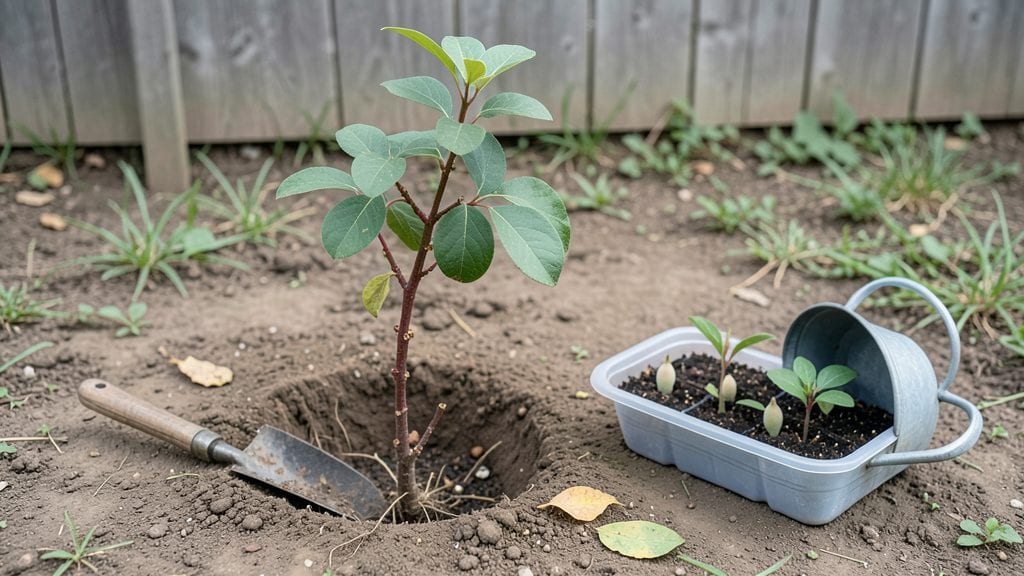
Growing persimmon seeds from store-bought fruit feels like magic—turning a kitchen scrap into a tree that produces sweet, orange fruit in just a few years. 🌱 I started with a single seed and now have a thriving sapling, proving that persimmons aren’t just for specialty nurseries.
The process is slower than growing tomatoes, but the payoff—a tree that lives for decades—makes it worth every wait.
You’ll need patience, a sunny spot, and basic supplies: seeds from a ripe persimmon, potting soil, a small pot, and a spray bottle. Germination can take 4-6 weeks, so don’t rush it—persimmon seeds are slow starters.
The key is keeping the soil moist but not soggy, and giving seedlings bright, indirect light until they’re strong enough for outdoor planting in spring.
By summer, your seedling will be 1-2 feet tall with glossy leaves, and if you’re in the right zone (USDA 6-9), it’ll eventually bear fruit. The first harvest might take 3-5 years, but the journey—watching roots spread, branches form, and flowers bloom—is half the reward.
Transplant carefully to avoid shocking delicate roots.
Here’s the secret: persimmons thrive in full sun and well-draining soil, but they’re tougher than they look. Even if you live in a cooler climate, container growing extends their range. The hardest part? Waiting. But trust me—when that first orange fruit appears, it’s worth every day of the process.
📚 In This Guide
- What you need
- Instructions
- Tips and common mistakes
- Wrapping up and next steps
What you need
- ● Persimmon seeds: 3–5 fresh, plump seeds (harvested from ripe fruit—avoid store-bought seeds if treated with chemicals)
- ● Small pots or seed trays: 3–4 (4–6 inches deep, with drainage holes)
- ● Well-draining potting mix: 2–3 bags (sterilized, seed-starting blend preferred)
- ● Spray bottle: For gentle watering (avoid over-saturating seeds)
- ● Plastic wrap or humidity dome: To create a mini greenhouse effect
- ● Grow lights or sunny windowsill: (6+ hours of light daily)
- ○ Fertilizer (optional but helpful): Balanced liquid fertilizer (e.g., 10-10-10) for seedlings
- ● Heat mat: Speeds up germination (70–80°F ideal)
- ● Label markers: To track seed varieties (if growing multiple types)
- ● Transplanting pots: 1–2 larger containers (8–10 inches) for seedlings
- ● Mulch or compost: For nutrient-rich soil later in growth
- ● Pruning shears: For shaping the tree as it matures
Step-by-Step instructions for growing persimmon trees from seed
Turn those grocery-store persimmons into a fruit tree—here's how to coax life from the seeds.
🌱 Step 1: Extract and Dry the Seeds
Start with ripe persimmons—either astringent or non-astringent varieties work, but non-astringent (like 'Fuyu') germinate slightly faster. Cut the fruit open and scoop out the seeds, removing any remaining fruit pulp. Rinse them under cool water to clean off any residual sugars that could rot them.
Spread the seeds on a paper towel in a single layer. Place them in a warm, dry spot with good air circulation—think 65-75°F and indirect light. Let them dry for 3-5 days until the outer coating feels slightly leathery and the seeds rattle when shaken. This prevents rot during germination. I like to check daily by gently pressing a seed—it should feel firm but not damp.
💧 Step 2: Stratify for Successful Germination
Persimmon seeds need a cold period to break dormancy, a process called stratification. Fill a small container with damp peat moss or coconut coir (not garden soil) and place the dried seeds 1 inch deep. Cover the container and refrigerate for 60-90 days—this mimics winter conditions.
Check the moisture weekly. The mix should stay damp but not soggy—squeeze a handful; water should bead up but not drip. After 60 days, move the container to room temperature and watch for sprouts in 2-4 weeks. If no sprouts appear after 90 days, return the container to the fridge for another 30 days—patience is key here.
☀️ Step 3: Plant Sprouted Seeds in Pots
Once sprouts emerge, plant each seedling in its own 4-inch pot filled with a mix of 50% potting soil and 50% perlite. The perlite ensures drainage—persimmons hate soggy roots. Handle the seedlings gently; their roots are delicate. Plant ½ inch deep, covering the seed but leaving the sprout exposed.
Place the pots in a bright spot with indirect light (no harsh midday sun yet). Keep the soil consistently moist—stick your finger 1 inch deep; if it feels dry, water lightly. You'll see first true leaves in 4-6 weeks. This is your cue to transition to a south-facing window or under a grow light for 12-14 hours daily.
🪴 Step 4: Transplant to the Ground or Larger Container
Persimmons grow slowly at first, so wait until seedlings are 12-18 inches tall and have 5-7 sets of leaves before transplanting. Choose a location with full sun (6+ hours daily) and well-draining soil. If planting in containers, use a 15-gallon pot—persimmons have deep roots.
Dig a hole twice as wide as the root ball but only as deep. Gently remove the seedling, loosen the roots if they’re circling, and place it in the hole. Backfill with soil, tamp lightly, and water deeply. Mulch the base with 2-3 inches of organic mulch to retain moisture and regulate soil temperature. Avoid mulching too close to the stem—keep it 3 inches away to prevent rot.
✂️ Step 5: Prune and Care for Long-Term Growth
In the first year, focus on establishing strong roots. Prune only to remove dead or crossing branches—persimmons are naturally bushy. By year two, you can shape the tree by cutting back 1/3 of the new growth in late winter. This encourages a sturdy structure and better fruit production.
Water deeply once weekly during dry spells, but let the top 2 inches of soil dry out between waterings. Persimmons are drought-tolerant once established but need consistent moisture when young. Fertilize lightly in spring with a balanced 10-10-10 fertilizer, following package rates. You won’t see fruit for 3-5 years, but the wait is worth it for homegrown persimmons.
Tips & tricks for growing persimmon trees from seed
Growing a persimmon tree from seed is a rewarding long-term project that rewards patience with delicious fruit. Here are the key strategies to maximize your success.
Seed Selection Tip: Non-astringent persimmon varieties like 'Fuyu' germinate more reliably and faster than astringent types. If you're starting with grocery store persimmons, check the label or ask staff which variety you have. I've found that seeds from fully ripe fruit (soft and slightly mushy when squeezed) have the highest germination rates—don't use underripe fruit, as the seeds won't be fully developed.
Stratification Strategy: The 60-90 day cold stratification period is absolutely critical—don't skip it! I like to use a clear plastic container with a lid for the stratification process so I can easily check moisture levels without disturbing the seeds. Place a small hole in the lid to allow for minimal air circulation. After 60 days, move to room temperature and watch for sprouts within 2-4 weeks as instructed, but be patient if they take longer—they will come.
Light Management: During the early seedling stage in Step 3, persimmons need bright but indirect light to prevent scorching. I've had success using a simple LED grow light on a timer for 12-14 hours daily once the seedlings develop their first true leaves. This mimics natural daylight cycles and prevents leggy growth. Position the light about 6 inches above the seedlings and adjust as they grow.
Transplant Timing: Wait until your seedlings reach 12-18 inches with 5-7 sets of leaves before transplanting—this ensures they have strong enough root systems to handle the shock. I always harden off seedlings for 1-2 weeks before transplanting by placing them outside in a sheltered spot during the day and bringing them back in at night. This gradual transition helps prevent transplant shock that could kill your young tree.
Pro Tips for Grow Persimmon Seeds
- Growing a persimmon tree from seed is a rewarding long-term project that rewards patience with delicious fruit.
- Seed Selection Tip: Non-astringent persimmon varieties like 'Fuyu' germinate more reliably and faster than astringent types.
- Stratification Strategy: The 60-90 day cold stratification period is absolutely critical—don't skip it!
Frequently asked questions
about growing persimmon seeds—because even the best gardeners need a little help! Here are answers to common queries to set you up for success.How long does it take for persimmon seeds to germinate?
Germination can take anywhere from 2 to 6 weeks, depending on temperature and moisture. Keep the soil consistently damp (not soggy) and maintain warmth (70–85°F). Patience is key—some seeds may take longer, especially if stored improperly before planting.
Can I grow persimmons indoors or in containers?
Yes! Persimmons thrive in containers if given enough space (at least a 15-gallon pot for young trees). Place them in a sunny spot (6+ hours of light daily) and ensure proper drainage. However, they’ll need winter protection if temperatures drop below 20°F—move pots indoors or wrap them in burlap.
What if my persimmon seed sprouts but then dies?
Don’t panic! Seedlings often struggle with overwatering, poor drainage, or temperature swings. Ensure the soil is well-draining, avoid cold drafts, and provide indirect light until the seedling is stronger. If the leaves yellow or wilt, adjust care—less water or more warmth may save it!
Do I need to plant more than one persimmon seed?
While persimmons can self-pollinate, planting two or more trees improves fruit yield and quality. If space is limited, choose a self-pollinating variety like ‘Fuyu’ (though cross-pollination still helps). Bonus: Extra seedlings can be shared with fellow gardeners!
When is the best time to transplant a young persimmon tree outdoors?
Wait until spring or early fall when temperatures are mild (above 50°F). Avoid transplanting during heatwaves or frost. Harden off seedlings by gradually exposing them to outdoor conditions for 1–2 weeks before planting. Choose a permanent spot with full sun and well-draining soil.
Pro Tip:
If your persimmon tree takes years to fruit, don’t give up! Some varieties (like ‘Hachiya’) can take 5–10 years to bear fruit, while others (‘Fuyu’) may produce earlier. Keep nurturing—patience pays off with sweet, homegrown persimmons!
Wrapping up and next steps
Growing a persimmon tree from seeds is a rewarding journey that turns kitchen scraps into a thriving fruit-bearing plant! With patience, the right conditions, and a little care, you’ll soon enjoy homegrown persimmons—and the satisfaction of nurturing life from something as simple as a seed. 🌱✨
Now that you’re armed with the know-how, why not plant those seeds today? Start small, track your progress, and soon you’ll be sharing your harvest with friends or even selling extras at a local market. Happy growing—your future persimmon tree is waiting! 🍂🌿