
Size
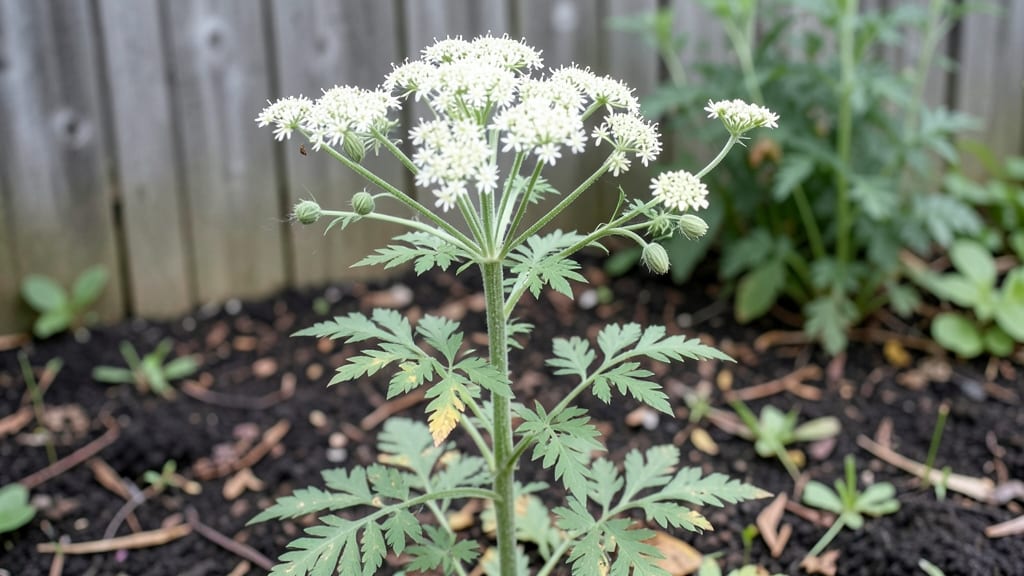
Growing anise seeds from scratch rewards you with a fragrant herb that turns your garden into a spice cabinet. 🌿 I’ve grown anise for years, and the key is patience—those tiny seeds pack a punch once they establish.
The first step is understanding their soil and sunlight cravings, which are simpler than you’d think.
Anise thrives in well-draining soil with full sun, but it’s surprisingly forgiving about moisture—just don’t drown it. Plant seeds ¼ inch deep, 12 inches apart, and keep the soil consistently moist until germination, which can take 10-21 days.
The real magic happens when those delicate seedlings appear, signaling a summer of lush, feathery foliage.
By mid-summer, you’ll be harvesting seeds for baking or drying for teas, with each plant yielding enough for multiple recipes. The licorice-like aroma fills the air as you brush past the plants, and the ornamental value alone makes it worth growing.
Just watch for powdery mildew in humid climates—spacing and airflow prevent most issues.
Whether you’re growing for culinary uses or just love the look, anise is a low-maintenance superstar. Start with a handful of seeds, and you’ll have a fragrant, productive plant before you know it. Ready to get started?
📚 In This Guide
- What you need
- Instructions
- Tips and common mistakes
- Wrapping up and next steps
What you need
- ● Anise seeds: 1–2 tbsp (about 10–20g) of high-quality, organic anise seeds (look for Pimpinella anisum on the label).
- ● Containers: For indoor starts: 4–6 small pots (4–6 inches deep) with drainage holes.
- ● For direct sowing: A seed tray or biodegradable peat pots (if transplanting later).
- ● Potting mix: 2–3 bags of well-draining, seed-starting mix (or a blend of 60% peat moss, 30% perlite, and 10% compost).
- ● Watering can or spray bottle: With a fine rose nozzle for gentle watering.
- ● Grow lights or sunny windowsill: A south-facing window (6+ hours of sunlight) or a full-spectrum LED grow light (12–16 hours/day for seedlings).
- ● Fertilizer: A balanced, water-soluble fertilizer (5-10-5 or 10-10-10) for seedlings.
- ● Plastic wrap or humidity dome: To retain moisture during germination.
- ● Heat mat: For faster germination (70–75°F is ideal).
- ● Transplanting tools: Small trowel, tweezers, or a butter knife for delicate seedlings.
- ● Mulch: Straw or shredded leaves to retain soil moisture outdoors.
- ● Trellis or stakes: If growing tall plants (though anise is typically bushy).
- ● Pest control: Neem oil or insecticidal soap (preventative measure for aphids or spider mites).
Step-by-step instructions for growing anise seeds indoors
Transform those tiny anise seeds into a fragrant, productive herb with these simple steps.
🌱 Step 1: Soak and Plant the Seeds
Anise seeds have a hard outer shell that slows germination. First, soak them in warm water for 12-24 hours to soften the coating. I place them in a small bowl of water and leave it on my kitchen counter overnight. This step is crucial—it dramatically speeds up sprouting.
After soaking, fill 4-inch diameter pots with moistened seed-starting mix (I use a mix of peat moss and perlite for best results). Plant 2-3 seeds per pot, pressing them just below the surface—about ¼ inch deep. Cover lightly with additional mix and mist gently with water until the soil feels damp but not soggy.
💧 Step 2: Provide Warmth and Moisture for Germination
Anise seeds germinate best in 70-75°F soil. Place your pots in a warm spot, like on top of a refrigerator or near a sunny window. I use a seedling heat mat for faster results—it keeps the soil consistently warm and speeds up germination to 10-14 days.
Keep the soil evenly moist by misting lightly every 2-3 days. You’ll know it’s time to water again when the top inch of soil feels dry to the touch. Avoid overwatering—anise seedlings are prone to damping-off if the soil stays too wet. Once sprouts appear, remove any heat source immediately to prevent leggy growth.
☀️ Step 3: Move to Bright Light and Thin Seedlings
When the first true leaves (not the initial seed leaves) appear, it’s time to move the seedlings to a bright, sunny location. Anise thrives in full sun (6+ hours daily), so a south-facing window or grow light works best. If using a grow light, position it 4-6 inches above the plants and keep it on for 14-16 hours per day.
Thin the seedlings to the strongest one per pot by gently snipping the weaker stems at the base. This prevents overcrowding and ensures your anise plant grows strong. Water at the base to avoid disturbing the roots, and watch for new growth—you’ll see fresh leaves emerge within a week.
🌿 Step 4: Transplant and Care for Mature Plants
Once seedlings reach 4-6 inches tall and have 4-5 true leaves, transplant them to 6-inch diameter pots or directly into the garden. Anise prefers well-draining soil, so mix in some compost or aged manure to enrich the mix. Space plants 12 inches apart if planting outdoors.
Water deeply but infrequently—anise is drought-tolerant once established. Let the top 2 inches of soil dry out between waterings. Fertilize lightly every 4-6 weeks with a balanced, water-soluble fertilizer to encourage lush growth. You’ll notice the distinctive anise scent as the plants mature, signaling they’re thriving.
✂️ Step 5: Harvest and Encourage Regrowth
Anise is ready for harvest when the plants reach 12-18 inches tall and the seeds begin to form. To harvest leaves, snip them just above a leaf node to encourage bushier growth. For seeds, wait until the seed pods turn brown and dry—this usually takes 2-3 months after flowering. Cut the entire plant at the base, then dry the seeds in a warm, dry place before storing.
Here’s the thing—anise plants often regrow after harvest, so you can get multiple harvests per season. If the plant bolts (sends up a tall flower stalk), don’t worry—just enjoy the seeds! With proper care, your anise plants will reward you with fragrant leaves and seeds for years to come.
Tips & tricks for growing anise seeds indoors
Here's what nobody tells you about growing these fragrant little powerhouses from seed.
Soaking Secret: Don't skip the 12-24 hour soak—this is where most people fail. I've seen seeds planted dry sprout in 3 weeks instead of the normal 10-14 days. Use warm water (not hot) and change it halfway through if it cools. The goal is to soften that tough outer shell without cooking the seeds.
Heat Control: That 70-75°F soil temperature is non-negotiable for germination. If your kitchen runs cooler, place pots on top of your refrigerator or use a seedling heat mat. I once tried growing anise in a 65°F room and only got 30% germination—don't make that mistake! Remove heat sources once sprouts appear to prevent leggy growth.
Light Strategy: The 14-16 hours of light in Step 3 isn't just about photosynthesis—it's about preventing that sad, stretched-out look. If using grow lights, adjust height as plants grow (keep leaves just touching the light). South-facing windows work, but supplement with a grow light if your window isn't sunny all day. I've had anise plants grow into strong, bushy plants with proper light that would've been weak and spindly otherwise.
Transplant Timing: Wait until you see 4-5 true leaves before transplanting—this gives roots time to establish. I've transplanted too early and seen plants struggle to recover. When moving to larger pots or outdoors, handle plants by the leaves (not stems) to avoid damaging the delicate root system. The 12-inch spacing outdoors is crucial—crowded anise plants fight for nutrients and produce less flavorful seeds.
Pro Tips for Grow Anise Seeds
- Here's what nobody tells you about growing these fragrant little powerhouses from seed.
- Soaking Secret: Don't skip the 12-24 hour soak—this is where most people fail.
- Heat Control: That 70-75°F soil temperature is non-negotiable for germination.
Frequently asked questions
Got questions about growing anise seeds? You’re not alone—this fragrant herb has a few quirks! Here are answers to the most common ones to help you grow like a pro.
How long does it take for anise seeds to germinate?
Anise seeds can take 2 to 4 weeks to sprout, depending on soil temperature and moisture. Keep the soil consistently moist (not soggy) and warm (around 70°F) to speed things up. Patience is key—don’t give up if germination takes longer!
When is the best time to plant anise seeds outdoors?
Plant anise seeds after the last frost when the soil is at least 50°F—typically in late spring. They thrive in warm weather and need full sun (6+ hours daily). If you’re in a cooler climate, start seeds indoors 6-8 weeks before transplanting.
Can I grow anise seeds in containers?
Anise grows well in 5-6 inch deep containers with drainage holes. Use well-draining potting mix and place in a sunny spot. Just ensure the pot is large enough for the plant’s 2-3 foot height and harvest seeds before the plant flowers to avoid self-seeding.
Why aren’t my anise seeds sprouting?
If your seeds aren’t germinating, check these common culprits:
- Cold soil—anise needs warmth to sprout.
- Dry soil—keep it moist but not waterlogged.
- Old seeds—store-bought seeds lose viability after 1-2 years.
- Poor soil—amend with compost for better drainage.
What can I use if I can’t find anise seeds?
If anise seeds are hard to find, try these flavor-similar alternatives:
- Star anise (related but stronger, used in baking).
- Fennel seeds (milder, great for soups and teas).
- Licorice root (for a sweet, herbal taste).
Wrapping up and next steps
Growing anise seeds is a rewarding journey that turns tiny specks into fragrant, flavorful plants—perfect for cooking, teas, or even homemade remedies! 🌱 With the right soil, sunlight, and patience, you’ll soon enjoy the sweet, licorice-like aroma of your homegrown harvest.
Whether you’re a beginner or a seasoned gardener, this fragrant herb is a fantastic addition to your garden.
Now that you’re armed with the know-how, why not start planting today? Grab your seeds, pick a sunny spot, and watch your anise thrive. Happy growing! 🌿