
Pests
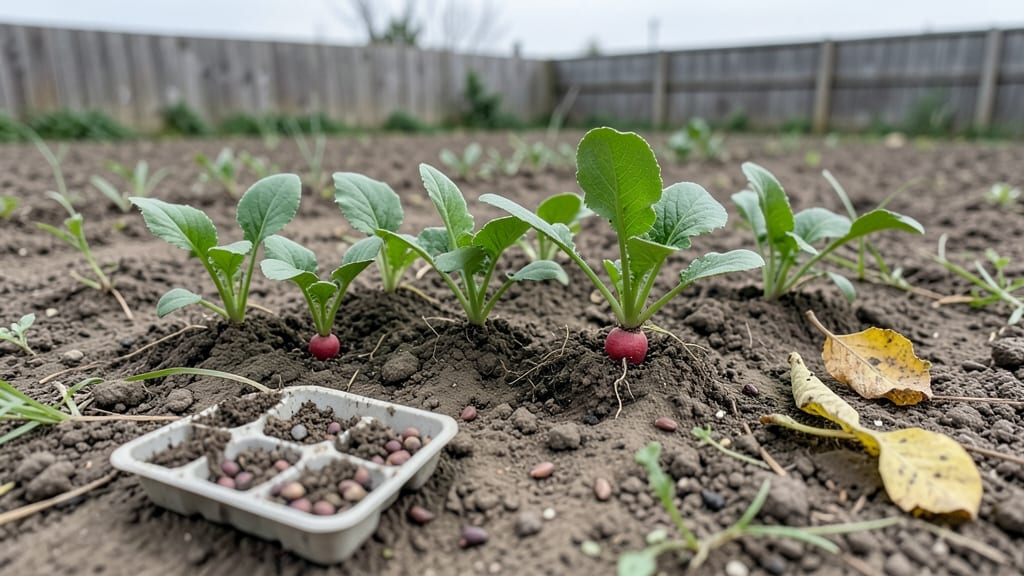
There’s nothing like growing radishes from seeds you saved yourself—especially when those seeds come from your own garden. 🌱 The first time I pulled a radish, plucked its seeds, and stored them for next year, I realized how easy it is to break free from store-bought packets and grow exactly what I want.
You’ve got three main routes: buying fresh seeds from trusted suppliers (like Baker Creek or Johnny’s Selected Seeds), saving seeds from your own heirloom varieties, or even trading with local gardeners.
The key is knowing which radishes produce viable seeds—most hybrids won’t, but heirlooms like ‘French Breakfast’ or ‘Cherry Belle’ will give you plump, ready-to-plant seeds in just a few months.
Once you’ve got them, proper storage makes all the difference. Dry the seeds completely, then store them in a cool, dark place in a sealed container. With the right care, they’ll stay viable for up to five years, giving you a steady supply for future gardens.
No more guessing what’s in the packet—just pure, homegrown potential.
Here’s the best part: saving your own seeds cuts costs, preserves heirloom traits, and connects you to the cycle of growth in a way store-bought seeds never can. Let’s get those seeds ready for next spring!
📚 In This Guide
- What you need
- Instructions
- Tips and common mistakes
- Wrapping up and next steps
What you need
- ● Mature radish plants: Choose open-pollinated varieties (avoid hybrids like 'Cherry Belle'—they won’t produce true seeds). Aim for 3–5 healthy plants per variety.
- ● Scissors or pruning shears: Sharp, clean tools to snip seed pods without damaging them.
- ● Paper bags or breathable mesh bags: 1–2 bags per plant (brown paper lunch bags work great!). Avoid plastic to prevent moisture buildup.
- ● Drying tray or screen: A flat, elevated surface (like a cooling rack or wire mesh) to air-dry seeds. Ensure it’s clean and food-safe.
- ● Small envelopes or seed packets: 5–10 envelopes (or reusable containers) labeled with the radish variety and year.
- ● Fine-mesh strainer or sieve: For separating seeds from chaff during cleaning.
- ● Notebook & pen: To log details like variety, harvest date, and storage conditions.
- ● Desiccant packets: Place one in your seed storage container to absorb excess moisture.
- ● Humidity pack: A small silica gel packet for long-term seed viability.
- ● Seed catalog or app: For tracking varieties and cross-pollination risks.
- ● Hand lens or magnifying glass: To inspect seed quality before storage.
- ● Vacuum sealer: For ultra-long-term storage (extends seed life by years!).
Step-by-Step guide to saving radish seeds for next season
Here's how I turn this year's harvest into next year's plants—simple, reliable, and no fancy tools needed.
🌱 Step 1: Select the Best Radishes for Seed Saving
Choose 5-6 of the healthiest, most flavorful radishes from your harvest. Look for ones that are fully mature but not cracked or damaged—these will yield the best seeds. I pick varieties with strong disease resistance, like 'French Breakfast' or 'Cherry Belle,' because their seeds stay true to type.
Let the selected radishes sit on the counter for 3-5 days until they begin to sprout tiny green shoots. This signals they're ready for the next stage. If you see mold or soft spots, toss them—they won't produce viable seeds.
☀️ Step 2: Allow Radishes to Flower and Go to Seed
Plant the sprouted radishes in well-draining soil in a sunny spot, spaced 12 inches apart to give them room to bolt. Keep the soil moist but not soggy—water deeply every 2-3 days until the plants flower. You'll see bright white or purple flowers appear in 2-3 weeks.
Once flowers bloom, do not disturb the plants. Let them develop seed pods naturally. The pods will turn from green to brown and dry out in 4-6 weeks. If you live in a warm climate, this happens quickly; cooler areas may need 8-10 weeks. Watch for the pods to split open—this is your cue to harvest.
⏰ Step 3: Harvest and Dry the Seeds
On a dry, sunny day, gently twist the dried seed pods to release the seeds inside. Place the seeds on a clean paper towel or seed-saving envelope to dry further. I spread mine out in a single layer in a warm, dry spot (around 70-75°F) for 3-5 days, stirring occasionally to prevent clumping.
Once the seeds feel lightweight and dry to the touch, store them in a small glass jar or airtight container labeled with the variety name and year. Keep them in a cool, dark place—like your pantry—to maintain viability for 3-5 years. Test germination annually by planting a few seeds to ensure they're still good.
🌿 Step 4: Store Seeds Properly for Long-Term Use
After drying, I like to separate seeds by variety in small envelopes. Add a silica gel packet to the jar to absorb any lingering moisture—this keeps seeds from molding. Label each container with the year and variety so you don’t mix them up later.
Store the sealed containers in a cool, dry place (around 40-50°F). Check them once a year for signs of pests or moisture. If you notice any issues, transfer the seeds to a new container immediately. Properly stored radish seeds stay viable for 3-5 years, so you’ll have plenty for future gardens.
Tips & tricks for perfect radish seed saving
Saving radish seeds is easier than you think—here are my go-to tips to ensure you get the best seeds every time.
Selection Matters: In Step 1, when choosing your 5-6 radishes, look for ones that are plump but not oversized. Larger radishes can be fibrous and less likely to produce good seeds. I also avoid any with soft spots or cracks—they won't yield viable seeds. The key is selecting radishes that are fully mature but still firm to the touch.
Environmental Control: During Step 2, when your radishes are flowering, keep an eye on the weather. If you're in a cooler climate where pods take 8-10 weeks to dry, create a mini greenhouse with a clear plastic cover over the plants. This traps heat and speeds up the drying process without disturbing the plants. Just remove the cover during the day to prevent overheating.
Drying Strategy: In Step 3, when drying your seeds, I've found that a small fan on low setting helps circulate air without blowing seeds around. Place the paper towel with seeds on a baking rack and position the fan nearby. This speeds up drying from 3-5 days to about 2 days while preventing clumping. Just keep the seeds in a warm, dry spot (around 75°F) as specified.
Storage Wisdom: For Step 4, I recommend using small glass jars with tight-sealing lids for your seed storage. These are more airtight than plastic containers and help maintain seed viability longer. Place a small piece of paper with the variety name and year inside the jar before adding seeds—this prevents labels from sticking to the seeds when you open the jar later.
Pro Tips for Get Radish Seeds
- Saving radish seeds is easier than you think—here are my go-to tips to ensure you get the best seeds every time.
- Selection Matters: In Step 1, when choosing your 5-6 radishes, look for ones that are plump but not oversized.
- Environmental Control: During Step 2, when your radishes are flowering, keep an eye on the weather.
Frequently asked questions
Got questions about saving radish seeds?
You’re not alone! Here are some of the most common concerns—and straightforward answers—to help you master the process from harvest to storage.
Can I save seeds from store-bought radishes?
Unfortunately, no! Most radishes sold in grocery stores are hybrid varieties (marked as _F1_), meaning their seeds won’t produce true-to-type plants. For seed-saving success, grow heirloom or open-pollinated radishes like ‘French Breakfast’ or ‘Cherry Belle’ from seed packets or trusted seed swaps.
How long does it take for radish seeds to mature after flowering?
Radish seeds typically mature 4–6 weeks after flowering, depending on the variety and growing conditions. Watch for pods to turn brown and dry on the plant—they should rattle when shaken. Harvest them before they split open or scatter seeds!
What’s the best way to store radish seeds for next year?
Store seeds in a cool, dry place (ideal: 32–41°F) in an airtight container with a desiccant packet or silica gel. Label with the variety and date—most radish seeds stay viable for 2–3 years, though germination drops after year one.
Will cross-pollination ruin my seeds?
Radishes are self-pollinating, so cross-pollination is rare—but if growing multiple varieties nearby, isolate plants by at least 50 feet to avoid accidental mixing. For extra safety, hand-pollinate flowers with a soft brush if you’re saving seeds from diverse varieties.
What if my radish plants bolt before seeding?
Bolting (premature flowering) is common in hot or dry conditions. To prevent it, plant in early spring or fall, keep soil consistently moist, and choose bolt-resistant varieties like ‘White Icicle.’ If bolting happens, focus on harvesting seeds from the fewest flowers possible before the plant senesces.
Wrapping up and next steps
Growing your own radish seeds is a rewarding journey that starts with patience and ends with a thriving garden!
By following these steps—from harvesting mature radishes to properly drying and storing seeds—you’ll ensure a bountiful harvest next season. Now that you’re equipped with the know-how, it’s time to roll up your sleeves and start your seed-saving adventure! 🌱✨
Ready to take the next step? Try planting a small batch of your saved seeds this fall or spring and compare them to store-bought varieties. You might just discover a new favorite!