
Blooming
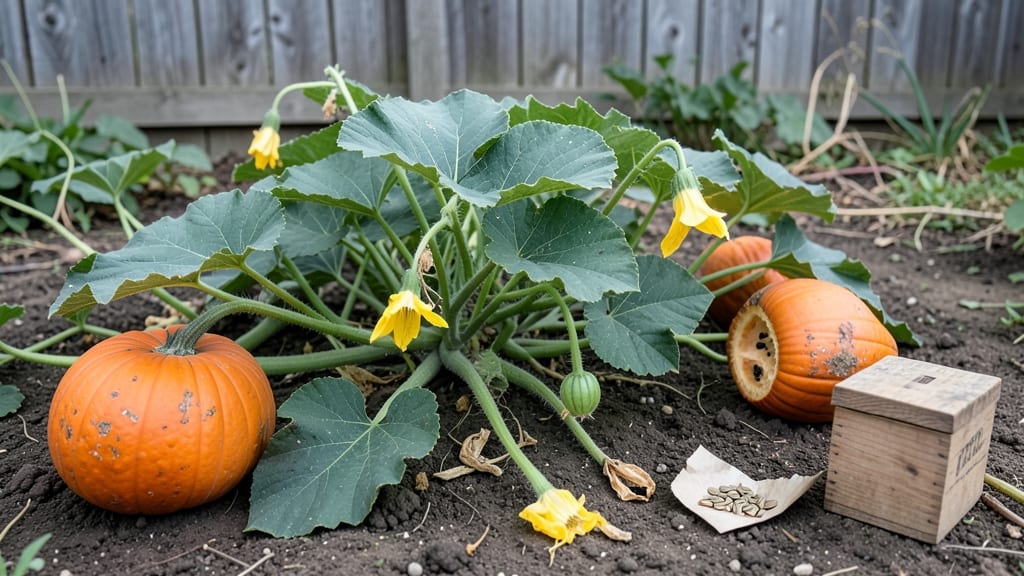
How long can you keep pumpkin seeds for planting—up to 3 to 5 years when stored properly—though fresh seeds (under 1 year old) germinate best. ✨ I learned this the hard way when a batch of "old" seeds sprouted patchy results, but with the right conditions, you can extend that window dramatically.
The key isn’t just time but how you protect them from moisture, heat, and pests.
Start with completely dry seeds—moisture is their worst enemy. Store them in an airtight container (like a glass jar or sealed plastic bag) with a desiccant packet to absorb any lingering dampness.
Keep them in a cool, dark place (like your fridge or pantry) where temperatures stay between 40°F and 50°F. Freezing works too, but it’s overkill unless you’re storing seeds for a decade.
By year 3, germination rates start dropping—expect 70-80% success with fresh seeds, but only 50% or less after 5 years. To test viability, soak a handful in water: if they sink and feel firm, they’re likely good.
Plant a few to confirm before committing your whole patch. The payoff? A stash of seeds that outlasts last year’s harvest.
This method works for all pumpkin varieties—squash, gourds, even heirlooms—so you can preserve your favorite types season after season. Just remember: the fresher the seed, the better the start. Now let’s talk storage hacks that keep them ready for planting year after year.
📚 In This Guide
- What you need
- Instructions
- Tips and common mistakes
- Wrapping up and next steps
What you need
- ● Fresh, dried pumpkin seeds: Harvest seeds from ripe pumpkins (or store-bought seeds labeled for planting). Aim for 100–200 seeds if testing viability over time.
- ● Paper towels or coffee filters: 2–3 sheets to wrap seeds for drying or germination tests.
- ○ Air-tight containers: Glass jars with lids (quart or pint size) or resealable plastic bags with silica gel packets (optional but helpful for humidity control).
- ● Permanent marker: To label containers with seed type and date.
- ○ Small spray bottle (optional): For lightly misting seeds if storing in a humid environment.
- ● Refrigerator or cool, dark pantry: Ideal storage spots (50–60°F / 10–15°C). Avoid freezers—never freeze seeds for long-term storage!
- ○ Plastic zip-top bags (optional): For short-term storage (up to 1 year) in the fridge.
- ● Desiccant packs: Place 1–2 in containers to absorb moisture and extend shelf life.
- ● Humidity indicator cards: To monitor storage conditions (ideal humidity: <30%).
- ● Seed viability test kit: Or DIY with a bowl of water to check germination rates before planting.
- ● Notebook: To track seed dates, storage conditions, and germination success.
How to test and store pumpkin seeds for long-term planting success
Pumpkin seeds can last years—but only if stored properly. Here’s how to test viability and extend their shelf life.
🌱 Step 1: Test Seed Viability Before Planting
Start by checking if your seeds are still good to grow. Place 10-15 seeds between two damp paper towels, fold them, and seal in a plastic bag. Keep them in a warm spot (70-80°F) for 5-7 days. Check daily—if 50% or more sprout, your seeds are viable. If fewer than half sprout, store the good ones separately for planting.
I know it seems tedious, but this test saves time. Skipping it might mean digging up failed rows later. If germination drops below 30%, those seeds are past their prime. Discard them and replant with fresh seeds.
🪴 Step 2: Harvest and Dry Seeds Properly
Once your pumpkin is fully ripe, scoop out the seeds and remove any stringy pulp. Rinse them gently under cool water to clean off excess flesh, then spread them in a single layer on a paper towel or mesh screen in a dry, well-ventilated spot for 3-5 days. Stir them occasionally to prevent mold.
Seeds are ready when they’re completely dry and hard—no moisture left when rubbed between your fingers. Store them only after full drying, or they’ll rot in your container. I’ve seen people rush this step and end up with damp seeds that spoil within weeks.
⏰ Step 3: Store Seeds in Airtight Containers
Transfer the dried seeds into an airtight container—glass jars or sealed plastic bags work best. Add a desiccant packet (like silica gel) to absorb any lingering moisture. Label the container with the pumpkin variety and date—I’ve forgotten which seeds were which before!
Keep the container in a cool, dark place (40-50°F), like a pantry or basement. Avoid refrigeration unless necessary, as temperature swings can cause condensation inside the container. Properly stored seeds stay viable for 4-5 years, though germination rates drop after 2-3 years.
☀️ Step 4: Monitor and Refresh Seed Stock
Every 1-2 years, test a fresh batch of seeds as you did in Step 1. If germination drops below 70%, replace those seeds with newer ones. I like to split my seed stash—keeping a small portion for annual testing while storing the rest long-term.
Watch for mold, musty smells, or soft seeds—these are red flags. If you notice any, discard the entire batch immediately. A little effort now means stronger plants and fewer wasted seeds later.
Tips & tricks for perfect pumpkin seed storage
A few simple tricks can make all the difference in keeping your pumpkin seeds viable for years. Here's what I've learned from years of seed-saving trials.
Temperature Matters: The 40-50°F storage range is non-negotiable for long-term viability. I store my seeds in a basement pantry where temps stay consistently around 50°F—this is the sweet spot that keeps them dormant without damaging their internal structure. Avoid the fridge unless absolutely necessary, as temperature fluctuations can create condensation inside containers, which is deadly for seeds.
Harvesting Wisdom: When you're drying seeds in Step 2, don't rush the 3-5 days process. I've seen people try to speed this up with heat sources, but that creates uneven drying and can actually kill the seeds. Instead, place your drying tray near a fan for gentle airflow. The seeds are ready when they make a hollow sound when shaken together—this is your cue they're completely dry.
Container Strategy: Glass jars with tight-sealing lids are my top recommendation over plastic bags. The glass doesn't absorb moisture like some plastics can, and it's easier to see if condensation forms. I also add a small piece of chalk inside each jar—it acts as a natural moisture absorber without needing silica packets. Label each jar with the pumpkin variety AND the year harvested—this simple habit has saved me from planting the wrong seeds multiple times!
Seed Viability Test: The 50% germination threshold in Step 1 is your minimum for planting. I recommend testing 10-15 seeds because you'll get a more accurate reading than with just a few. Place them in a warm spot (70-80°F)—I use the top of my fridge—which mimics spring planting conditions. If you're in a cooler climate, you might need to use a seedling heat mat to maintain this temperature consistently.
Pro Tips for How Long Can You Keep Pumpkin Seeds For Planting
- A few simple tricks can make all the difference in keeping your pumpkin seeds viable for years.
- Temperature Matters: The 40-50°F storage range is non-negotiable for long-term viability.
- Harvesting Wisdom: When you're drying seeds in Step 2, don't rush the 3-5 days process.
Frequently asked questions
How do I know if my pumpkin seeds are still good for planting?
Test viability by placing a few seeds in a damp paper towel, sealing them in a bag, and storing them in a warm spot for 5–7 days. If they sprout, they’re still good! Pro tip: Healthy seeds should feel firm and sink in water (floaters are likely old or damaged).
Can I save pumpkin seeds from store-bought pumpkins?
Yes, but check the label first! Seeds from decorative or hybrid pumpkins (like Jack Be Little) may not grow true to type. For best results, save seeds from heirloom or organic pumpkins. Clean, dry, and store them properly for the best germination rates.
What’s the best way to store pumpkin seeds long-term?
Keep seeds in an airtight container (like a mason jar) with a desiccant packet to absorb moisture. Store in a cool, dark place (40–50°F) for up to 5 years. Label with the date to track freshness! Warning: Avoid refrigeration—humidity can ruin them.
Will pumpkin seeds still grow if they’re soft or shriveled?
Soft or shriveled seeds are usually past their prime and won’t sprout well. Test a few first! If they’re dry but hard, they may still work. For best results, plant seeds within 1–2 years of harvest when they’re plump and firm. Tip: Soak them overnight in warm water to rehydrate slightly.
What can I do with old pumpkin seeds that won’t sprout?
Don’t toss them! Roast for snacks (toss with oil/salt, bake at 300°F for 20–30 mins), grind into flour for baking, or compost them. Even "failed" seeds add nutrients to your garden soil. Bonus: The shells make great bird feeders too!
Wrapping up and next steps
So, whether you’re saving seeds from last season’s harvest or stocking up for future gardening adventures, pumpkin seeds stay viable for 4–5 years—and with the right storage, they can even last longer! 🌱 The key is keeping them cool, dry, and sealed to preserve their potential.
Now that you know the timeline, why not take the next step? Grab those seeds, give them a quick viability test, and start planning your next pumpkin patch—or share your newfound knowledge with fellow gardeners! Happy planting! 🌿