
Aphids
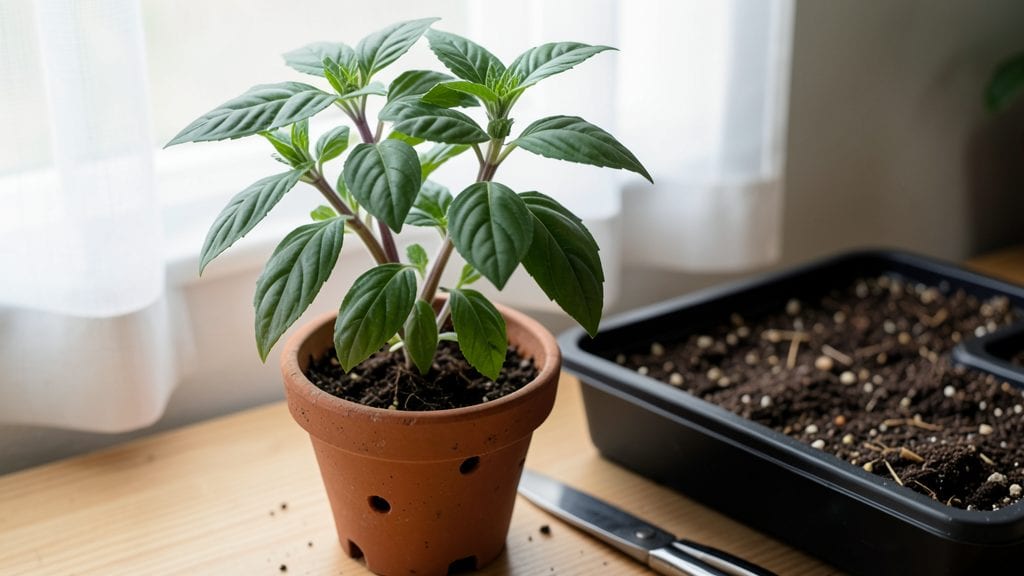
Growing holy basil seedlings from seed is the fastest way to get pest-resistant plants in just three weeks—and the secret lies in mimicking their tropical roots. I learned this after my first batch of seedlings stretched tall and weak, reaching for light instead of growing strong.
The key isn’t just patience; it’s creating the right conditions from day one, where warmth, humidity, and gentle care work together like a well-oiled machine.
You’ll need a sunny windowsill or grow light, a shallow tray with drainage, and a mix of potting soil and perlite to keep roots happy. Holy basil hates soggy feet, so water lightly—just enough to keep the top inch moist—but never let it sit in water.
Within a week, you’ll see those first tiny leaves unfurl, and by week three, seedlings should be sturdy enough to transplant. The real magic happens when you introduce them to slightly cooler nights, which triggers thicker stems and more resilient growth.
By the time you’re pinching back the top sets of leaves, you’ll have plants that repel aphids like magnets repel paperclips. The leaves stay glossy and fragrant, and the plants grow with a vigor that makes them nearly impossible to kill.
The best part? You’ll have enough cuttings to share with friends—or at least enough to keep your own kitchen smelling like a Thai herb market every time you brush past them.
This method works in containers, raised beds, or even hanging baskets, as long as they get at least six hours of sunlight daily.
The only real challenge is resisting the urge to overwater, but once you get the rhythm, holy basil becomes one of the most rewarding plants to grow—especially when you see those aphids turn tail and run.
📚 In This Guide
- What you need
- Instructions
- Tips and common mistakes
- Wrapping up and next steps
What you need
- ● Holy basil seeds – 10-20 seeds (organic, non-GMO preferred for best results).
- ● Seed-starting mix – 1 small bag (1-2 quarts), sterile and well-draining (e.g., coconut coir + perlite blend).
- ● Seed trays or small pots – 4-6 units (3-4" deep, with drainage holes).
- ● Grow lights or sunny windowsill – 12-16 hours of light daily (LED grow lights work best).
- ● Misting bottle – For gentle hydration without disturbing seeds.
- ● Organic aphid deterrent – Neem oil (1 tsp + 1 quart water) or insecticidal soap (preventative spray).
- ● Small hand trowel – For planting seeds ¼-inch deep.
- ● Humidity dome or plastic wrap – To retain moisture until germination (5-7 days).
- ● pH testing kit – Ensure soil pH is 6.0-6.8 (holy basil thrives in slightly acidic soil).
- ○ Fertilizer (optional but helpful) – Fish emulsion or compost tea (diluted to half-strength) after sprouting.
- ● Label markers – To track planting dates and varieties.
Step-by-Step instructions for growing holy basil seedlings
Here's how to get four healthy holy basil seedlings ready in just three weeks.
Prepare Containers and Seed Starting Mix
Use four small pots, each with drainage holes, and fill them with 2 inches of moistened seed starting mix. Holy basil seeds germinate best in warm, well-draining soil. I press the mix down lightly with my fingers to create a firm but not compacted surface—this helps the delicate roots establish quickly.
Place the pots in a shallow tray to catch any excess water. The mix should feel damp like a wrung-out sponge, not soggy. If it crumbles when squeezed, add a little more water. Avoid using garden soil, as it can introduce pests and diseases that holy basil is sensitive to.
Sow Seeds and Maintain Warmth
Sow one seed per pot at a depth of about ¼ inch. Holy basil seeds are tiny, so I use a toothpick to place them precisely. Cover lightly with a thin layer of additional mix—just enough to shield them from light but not bury them too deep. This ensures they won’t struggle to reach the surface.
Cover each pot with plastic wrap to create a mini greenhouse effect. Holy basil thrives in warmth, so place the pots in a location with a consistent temperature of 75-80°F. A seedling heat mat works wonders if your home runs cooler. Keep the soil moist but not waterlogged—mist lightly every other day if the surface feels dry.
Provide Light and Monitor Germination
Once the seeds sprout, which typically takes 7-10 days, remove the plastic wrap immediately. Holy basil seedlings need bright, indirect light right away to prevent leggy growth. Place them near a south-facing window or under a grow light for 12-14 hours daily. If the light source is too far, the stems will stretch toward it—keep it within 4 inches of the seedlings.
You’ll notice the first true leaves emerging after germination. These are smaller and rounder than the initial seed leaves. At this stage, water gently from the bottom of the tray to avoid disturbing the roots. Holy basil is sensitive to overwatering, so let the top inch of soil dry out between waterings.
Thin and Harden Off Seedlings
By the time the seedlings reach 2-3 inches tall, they’ll be ready for a slight trim. If any seedlings look weak or crowded, snip them at the base with clean scissors. Holy basil handles thinning well, and it encourages stronger growth in the remaining plants. Replant the healthy trimmings in separate pots if you want extra seedlings.
Two weeks before transplanting outdoors, start hardening them off. Place the pots outside in a sheltered spot for 1-2 hours the first day, gradually increasing exposure over 10 days. Watch for wilting—if it happens, bring them back inside and try again the next day. Holy basil adapts quickly to outdoor conditions once properly acclimated.
Transplant and Maintain Pest Resistance
Transplant the seedlings into larger pots or garden beds once they’ve developed 4-6 true leaves. Holy basil prefers well-draining soil with a slightly acidic pH. Space them 12 inches apart to allow for airflow, which helps prevent fungal issues. I always add a handful of compost to the planting hole to boost nutrient uptake.
To keep pests at bay, spray the leaves lightly with neem oil every 2 weeks. Holy basil is naturally resistant to many common garden pests, but neem oil adds an extra layer of protection. Water at the base of the plant in the morning to keep foliage dry, reducing the risk of mildew. With consistent care, your seedlings will thrive and produce lush, aromatic leaves in just three weeks.
Tips & tricks for growing holy basil seedlings
Here's what I've learned after growing dozens of holy basil seedlings—these small details make all the difference between healthy plants and struggling starts.
Soil Preparation Secret: In Step 1, when pressing down the 2 inches of seed starting mix, I like to add a pinch of perlite to the mix before planting. This improves drainage without changing the texture, which is crucial since holy basil hates soggy roots. The perlite helps prevent the compacted surface from becoming too dense, giving those delicate roots room to breathe right from the start.
Precision Planting: For Step 2, I've found that using a toothpick isn't just about placing the tiny seeds—it's about creating a small dimple in the soil first. Make the dimple with the toothpick, then place the seed in it. This ensures consistent depth at that perfect ¼ inch mark. If you drop seeds directly on the surface, some may end up too deep and fail to sprout.
Light Source Strategy: When setting up your 12-14 hours of daily light in Step 3, I recommend positioning your grow light or window so the seedlings receive light from all sides. Rotate the pots ¼ turn daily to prevent leaning. The 4-inch distance guideline works best when measured from the light source to the tallest seedling—this ensures even growth as they develop.
Hardening Off Hack: During the 10-day hardening process in Step 4, I start by placing the pots in the shade for the first 3 days, even if it's just 1-2 hours. This gradual transition helps prevent sunburn on the tender leaves. On day 4, I begin moving them to partial sun, then full sun by day 7. Watching for wilting is key—it's your plant's way of saying "slow down."
Pro Tips for Holy Basil Seedling
- Here's what I've learned after growing dozens of holy basil seedlings—these small details make all the difference between healthy plants and struggling starts.
- Soil Preparation Secret: In Step 1, when pressing down the 2 inches of seed starting mix, I like to add a pinch of perlite to the mix before planting.
- Precision Planting: For Step 2, I've found that using a toothpick isn't just about placing the tiny seeds—it's about creating a small dimple in the soil first.
Frequently asked questions
Got questions about growing holy basil seedlings? You’re not alone! Here are answers to the most common concerns—from timing to troubleshooting—so you can grow pest-resistant plants with confidence.
How long does it take for holy basil seedlings to sprout?
With the right conditions (warmth, moisture, and indirect light), holy basil seedlings typically sprout in 7–14 days. For faster results, keep soil consistently moist (not soggy) and maintain a temperature of 70–80°F (21–27°C). Patience pays off—once sprouted, seedlings grow quickly!
Why are my holy basil seedlings wilting or turning yellow?
Wilted or yellowing seedlings often signal overwatering, underwatering, or poor drainage. Let the top inch of soil dry between waterings, and ensure pots have drainage holes. Yellow leaves can also mean nutrient deficiency—try a balanced liquid fertilizer after 2–3 weeks. Check for pests like aphids (common on basil) and treat with neem oil if needed.
Can I grow holy basil seedlings indoors without sunlight?
Yes! Use a grow light (LED or fluorescent) for 12–16 hours daily to mimic sunlight. Place seedlings 6–12 inches below the bulb, and rotate pots weekly for even growth. South-facing windows work too, but supplement with artificial light if natural light is weak. Holy basil thrives indoors with the right setup!
Are holy basil seedlings naturally pest-resistant?
Holy basil (Ocimum tenuiflorum) contains natural compounds like eugenol that repel pests like aphids, whiteflies, and spider mites. However, young seedlings may still attract pests. Prevent issues by spraying leaves with diluted neem oil weekly and keeping the area clean. Healthy seedlings = built-in pest defense!
What’s the best time to transplant holy basil seedlings outdoors?
Wait until nighttime temperatures stay above 50°F (10°C)—usually 2–3 weeks after sprouting (or when seedlings have 2–3 sets of true leaves). Harden off seedlings by gradually exposing them to outdoor conditions (start with 1–2 hours/day). Choose a spot with 6+ hours of sunlight and well-draining soil for optimal growth.
Wrapping up and next steps
Growing holy basil seedlings in just three weeks isn’t just possible—it’s a rewarding way to boost your garden’s resilience against pests like aphids! 🌱 With the right soil, sunlight, and care, you’ll cultivate a thriving, pest-resistant plant that’s as easy as it is effective.
Ready to take the next step? Start your seedlings today and watch your garden flourish—naturally and effortlessly!
Pro tip: Share your holy basil journey with fellow gardeners—inspiration spreads faster than aphids! 🌟