
Propagation
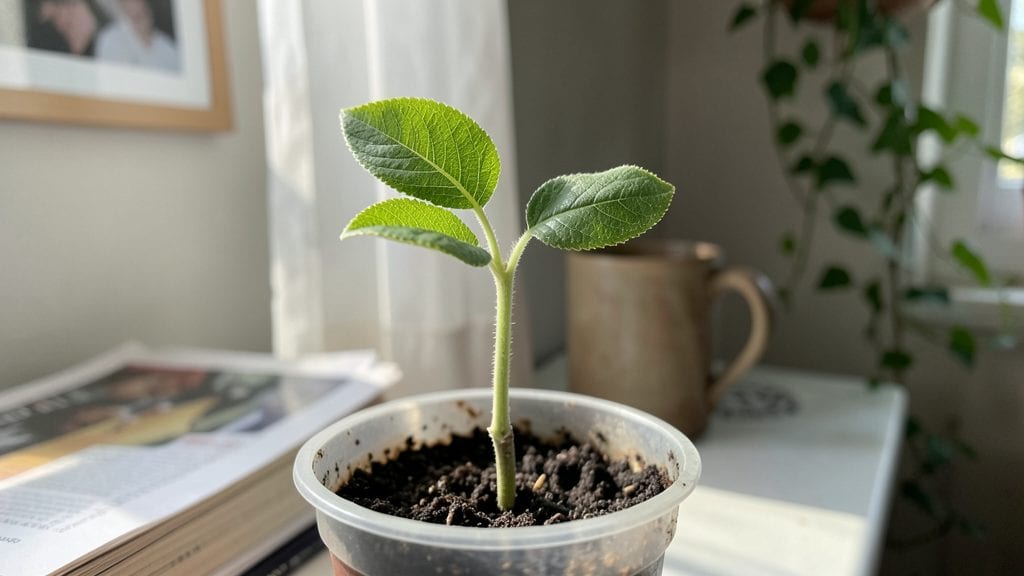
Growing apple trees from germinated seeds turns kitchen scraps into a backyard legacy—though patience is the real fruit here. 🌱 I’ve watched those first wispy sprouts from store-bought apple cores grow into 10-foot saplings, and while they won’t bear fruit like grocery-store varieties, the journey is pure magic for beginner growers.
The process starts with a simple soak and paper towel trick to coax seeds awake—no fancy equipment needed. You’ll need a sunny spot, well-draining soil, and a year’s worth of nurturing before transplanting outside.
The biggest surprise? Most seedlings take 5-7 years to fruit (if they ever do), but the thrill of watching them grow keeps me coming back every spring.
What you’ll end up with is a hardy, disease-resistant tree that thrives in your climate—no nursery labels required. The leaves turn brilliant red in fall, and the roots spread deeper than any grafted tree I’ve ever planted. Just don’t expect Honeycrisp flavors; these are wild apple adventures, not grocery-store clones.
Perfect for kids, urban gardeners, or anyone tired of buying trees that never quite fit their space. Here’s how to turn that apple core into a living memory—one sprout at a time.
📚 In This Guide
- What you need
- Instructions
- Tips and common mistakes
- Wrapping up and next steps
What you need
- ● Apple seeds: 5–10 fresh, organic seeds (avoid store-bought apples treated with sprout inhibitors). 💡 Pro tip: Seeds from heirloom or untreated apples germinate best!
- ● Paper towels or coffee filters: 2–3 sheets (or a small seed-starting tray with paper towels).
- ● Plastic bag or container: A resealable bag (quart-sized) or a shallow container with a lid.
- ● Water: Room-temperature, filtered if possible (chlorine can hinder germination).
- ● Patience: 14–30 days (yes, it’s a waiting game!).
- ○ Spray bottle: For gentle misting (optional but helpful for humidity control).
- ● Small pot or nursery tray: 4–6 inch pots with drainage holes (for transplanting sprouted seeds).
- ● Potting mix: Seed-starting mix or a blend of 50% peat moss and 50% perlite (sterilized).
- ○ Heat mat (optional): Speeds up germination by keeping seeds warm (70–80°F).
- ● Label markers: To track seed varieties (if testing multiple apples!).
Step-by-step instructions for germinating apple seeds
Turn those apple cores into a future orchard with this simple, proven method.
🌱 Step 1: Extract Seeds and Clean Them Thoroughly
Cut open the apple and carefully remove the seeds—you’ll need about 4 seeds to start. Rinse them under cool water to remove any fruit pulp, which can rot. Place the seeds in a bowl of 3% hydrogen peroxide for 10 minutes to disinfect and speed up germination. This step prevents mold and gives your seeds a stronger start.
After soaking, rinse the seeds again and pat them dry with a paper towel. Store them in a sealed container in the refrigerator for 6-8 weeks to simulate winter dormancy. This cold treatment breaks seed dormancy, which is crucial for apple seeds—skipping it means waiting months (or never seeing) sprouts.
💧 Step 2: Prepare the Germination Medium
Fill a small container with moistened paper towels or a dampened seed-starting mix. Avoid garden soil—it’s too dense and can harbor fungi. Lay the seeds on the surface, spacing them about 1 inch apart. Cover the container loosely with plastic wrap or a damp paper towel to retain moisture but allow airflow.
Place the container in a warm, dark spot—70-75°F is ideal. Check daily and mist with water if the medium dries out. You’ll see tiny roots emerge in 2-4 weeks. Once roots reach about 1 inch long, it’s time to plant them in soil.
☀️ Step 3: Transplant Sprouted Seeds into Soil
Fill small pots (3-4 inches deep) with a well-draining potting mix. Plant each seedling about ½ inch deep, covering the roots but leaving the top of the seed exposed. Press the soil gently around the seed to secure it without compacting. Water lightly to settle the soil.
Place the pots in bright, indirect light for 2-3 weeks to avoid shocking the seedlings with too much sun. You’ll notice the first true leaves (not the initial seed leaves) appear in about 3-4 weeks. At this stage, gradually introduce more sunlight—apple seedlings need full sun to grow strong.
🌿 Step 4: Care for Young Seedlings
Keep the soil consistently moist but not soggy—water when the top ½ inch feels dry. Use a spray bottle for gentle watering to avoid disturbing the delicate seedlings. Fertilize lightly with a balanced, water-soluble fertilizer (diluted to half strength) once the seedlings have 3-4 true leaves.
Apple seedlings grow slowly, so patience is key. In 6-12 months, you’ll have a small tree. Transplant outdoors after the last frost, choosing a sunny spot with well-draining soil. Remember, trees from seeds may not produce fruit true to the parent apple—think of them as a fun experiment or a future rootstock!
Tips & tricks for perfect apple seed germination
These simple tricks will help you maximize your chances of sprouting healthy apple seedlings from kitchen scraps.
Seed Selection: Choose seeds from organic apples when possible—they're less likely to have been treated with fungicides that can inhibit germination. If you're using store-bought apples, avoid red apples (like Fuji or Gala) as they often have thinner seed coats that germinate less reliably. I've found Granny Smith seeds work particularly well for beginners.
Hydrogen Peroxide Hack: That 10-minute soak in 3% hydrogen peroxide isn't just for disinfection—it actually helps break down the seed coat slightly, allowing water to penetrate more easily. Don't skip this step! If you don't have hydrogen peroxide, you can use a 1:9 ratio of unscented bleach to water for 5 minutes, but rinse thoroughly afterward.
Germination Environment: Maintaining that 70-75°F temperature is crucial, but don't worry if you can't hit it exactly. A warm spot like on top of your refrigerator works perfectly. The key is consistency—apple seeds need stable warmth to germinate. If you notice condensation forming on the container lid, that's a good sign your humidity level is just right.
Transplant Timing: Wait until those roots reach about 1 inch before transplanting—this gives your seedlings a strong enough root system to handle the move. I like to use toothpicks to gently lift seedlings out of the germination container to avoid damaging the delicate roots. This is also when you'll notice the first signs of life above soil level!
Pro Tips for Germinated Apple Seeds
- These simple tricks will help you maximize your chances of sprouting healthy apple seedlings from kitchen scraps.
- Seed Selection: Choose seeds from organic apples when possible—they're less likely to have been treated with fungicides that can inhibit germination.
- Hydrogen Peroxide Hack: That 10-minute soak in 3% hydrogen peroxide isn't just for disinfection—it actually helps break down the seed coat slightly, allowing water to penetrate more easily.
Frequently asked questions
Got questions about germinating apple seeds? We’ve got answers!
Here are some of the most common queries—and practical tips—to help you succeed with your sprouting adventure.
How long does it take for apple seeds to germinate?
Germination usually takes 4–8 weeks in warm, moist conditions (70–80°F). Patience is key—some seeds may sprout faster, while others need extra time. Keep the soil consistently damp and in indirect light until you see tiny green shoots!
Can I grow an apple tree from any apple seed?
While you can grow a tree from any seed, the fruit it produces won’t match the parent apple’s variety. Apple seeds are heterozygous, meaning the tree may grow completely different apples—possibly tart, small, or even inedible! For predictable results, opt for grafted trees.
What if my seeds rot or mold?
If seeds turn mushy or develop mold, your soil is likely too wet or lacks airflow. Drain excess water, use sterile potting mix, and avoid overcrowding. Discard affected seeds and restart with fresh ones. A 50/50 mix of peat and perlite helps prevent rot.
Do I need to stratify apple seeds before planting?
Stratification (cold treatment) isn’t always necessary for apple seeds, but it can speed up germination. Place seeds in a damp paper towel in the fridge for 4–6 weeks to mimic winter conditions. Skip this step if you’re eager to start—just plant them directly in moist soil!
Can I grow apple seeds indoors year-round?
Yes! Use a grow light (12–16 hours/day) and maintain warmth (65–75°F). Once sprouts reach 6–12 inches, transplant outdoors in spring (after last frost). If you live in a cold climate, start seeds indoors 8–10 weeks before the last frost date.
Wrapping up and next steps
Germinating apple seeds is a rewarding way to turn kitchen scraps into a thriving fruit tree—and it’s easier than you think! 🌱 With just a few simple steps, patience, and a little care, you can nurture a seed into a sapling that may one day bear fruit.
Whether you're drawn to the sustainability of upcycling or the joy of growing something from scratch, this project is a fantastic way to connect with nature.
Ready to take the next step? Start with a single seed today! Share your progress with fellow gardeners, experiment with different apple varieties, or even gift a sapling to a friend. Every seedling is a tiny promise of future harvests—so why not plant yours and watch it grow? 🍏✨