
Trees
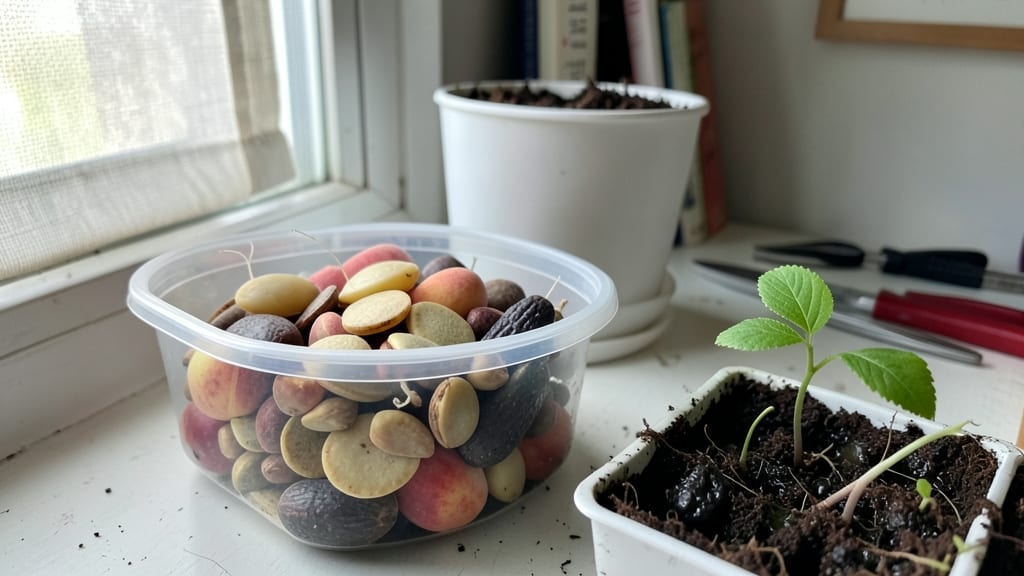
Growing fruit trees from seeds unlocks a world of heirloom varieties you’ll never find at nurseries—but the layered chill method is where the magic happens.
I’ve struggled with weak seedlings until I learned this technique mimics nature’s winter dormancy, producing trees with stronger roots and earlier blooms than traditional methods. The process isn’t about luck; it’s about science you can replicate in your garage or fridge.
Start with fresh seeds from ripe fruit—apples, peaches, or avocados all respond well. You’ll need a damp paper towel, a plastic bag, and a 30-day patience period for stratification. The key is consistency: keep seeds moist but not soggy, and check weekly for sprouts.
Citrus seeds germinate faster, while stone fruits may take longer, but the layered chill method evens the odds for all varieties.
Once sprouted, transplant into well-draining potting mix and place in bright, indirect light. Within 6-12 weeks, you’ll have sturdy seedlings ready for outdoor planting—not the spindly, weak plants that fail when moved to soil.
These trees develop deeper root systems and bloom sooner, giving you a head start on fruit production.
This method works for any climate, though tropical seeds like avocado thrive faster than temperate varieties. The real payoff? Trees that outperform grafted stock in resilience and flavor. Here’s how to get started without the guesswork—no green thumb required.
📚 In This Guide
- What you need
- Instructions
- Tips and common mistakes
- Wrapping up and next steps
What you need
- ● Fruit seeds: Fresh, viable seeds from organic fruit (e.g., apple, peach, citrus). Aim for 5–10 seeds per variety for better success rates.
- ● Small pots or seed trays: 3–4 inch diameter with drainage holes (biodegradable pots work too!).
- ● Well-draining potting mix: A blend of peat moss, perlite, and compost (sterilized to prevent mold).
- ● Plastic wrap or humidity dome: To retain moisture during germination.
- ● Spray bottle: For gentle watering (avoid over-saturating seeds!).
- ● Refrigerator: A standard fridge (35–40°F) for the layered chill method (more on this below!).
- ● Grow lights or sunny windowsill: 6–8 hours of light daily once sprouts emerge.
- ● Pruning shears: For trimming seedlings later (sterilize with rubbing alcohol).
- ● Seed stratification kit: If you want to automate the chill process.
- ● Heat mat: Speeds up germination in cooler climates.
- ● pH test kit: Ensures your soil is slightly acidic (6.0–6.8) for optimal growth.
- ● Fertilizer (balanced, low-nitrogen): Like fish emulsion or compost tea for young seedlings.
- ● Label markers: To track seed varieties and planting dates!
Instructions for growing fruit trees from seeds using the layered chill method
This approach mimics natural stratification—giving seeds the cold treatment they need to break dormancy.
Collect and Prepare Seeds
Harvest fully ripe fruit from healthy trees, then remove seeds and clean off any remaining pulp. Spread them on a paper towel to dry for 24-48 hours at room temperature—this prevents mold during stratification. I like to label each seed with the fruit type and harvest date, since germination rates vary wildly between species.
For stone fruits like peaches or cherries, crack the pit open carefully with a nutcracker or hammer to expose the seed inside. Apple and pear seeds can be used whole, but only plant those from heirloom varieties—modern hybrids often don't produce true-to-type fruit. If you're working with multiple types, organize them in small paper envelopes by variety.
Stratify Seeds Using the Layered Chill Method
Fill a quart-sized plastic container with moistened sphagnum moss (keep it damp but not soggy) and layer seeds 1 inch apart in a single layer. Cover the container with plastic wrap and poke small holes for airflow. Place it in your refrigerator's crisper drawer where temperatures stay between 35-45°F—this mimics winter conditions.
Check seeds weekly and mist with water if the moss feels dry. Most fruit tree seeds need 60-90 days of cold treatment, though some (like apples) may germinate faster. You'll know stratification is working when the seed coats soften slightly—this signals the embryo is breaking dormancy. For faster results, I've found alternating between fridge and freezer (1 week each) helps stubborn seeds.
Pot Up Germinated Seeds
Once seeds sprout (usually 3-6 weeks into stratification), remove them from cold storage and plant individually in 4-inch pots filled with sterile seed-starting mix. Press each seed ½ inch deep into the soil, leaving the sprout above ground. I use a pencil to make a small hole—this prevents damaging delicate roots.
Place pots under grow lights (12-14 hours daily) or in a south-facing window where temperatures stay above 60°F. Keep the soil consistently moist but never waterlogged—fruit tree seedlings rot quickly if overwatered. You'll see first true leaves in 4-8 weeks, signaling the seedling is establishing its root system. This is when you can begin fertilizing lightly with a balanced 10-10-10 solution.
Harden Off and Transplant Seedlings
After 3-4 months of growth (when seedlings reach 6-12 inches tall), start hardening them off by moving pots outside for 1-2 hours daily in partial shade. Gradually increase exposure over 2 weeks, ending with full sun. I test readiness by gently tugging on leaves—if they stay attached, the plant is strong enough for transplanting.
Choose a permanent spot with full sun and well-draining soil. Dig a hole twice as wide as the root ball but only as deep as the pot. Amend the soil with compost to improve fertility. Water deeply before and after planting to reduce transplant shock. Mulch with 2 inches of organic mulch to retain moisture and regulate soil temperature—this is especially critical for young trees with shallow roots.
Prune and Care for Young Trees
In their first year, focus on structural pruning to encourage a strong framework. Remove any water sprouts (shoots growing straight up) and crossing branches that rub together. I prune just above a leaf node where new growth will emerge, using clean, sharp shears. This prevents disease and directs energy into root development.
Fruit trees grown from seed take 5-10 years to bear fruit, but proper care now ensures stronger blooms later. Water deeply once weekly during dry spells, and apply a slow-release fertilizer in early spring. Monitor for pests like aphids—spray with neem oil if you spot clusters on new growth. Patience pays off: trees from seed develop deeper root systems and greater resilience than grafted varieties.
Tips & tricks for perfect fruit tree seed stratification
Mastering the layered chill method transforms ordinary seeds into resilient fruit trees—here's how to optimize every step for success.
Seed Preparation Precision: In Step 1, the 24-48 hour drying period is critical for preventing mold during stratification. I've found that using a fan on low speed to circulate air speeds up drying while maintaining sterility. For stone fruits, gently tapping the pit with a hammer rather than forcing it open preserves the seed's viability—this subtle difference prevents damage to the delicate embryo inside.
Stratification Environment Control: During Step 2's 60-90 day cold treatment, maintain consistent 35-45°F temperatures in your refrigerator's crisper drawer. I've noticed that seeds placed near the back (where temps are most stable) germinate more reliably than those near the door. The weekly misting should keep sphagnum moss damp like a wrung-out sponge—never soggy, as excess moisture promotes rot. For stubborn seeds, my alternating fridge-freezer technique (1 week each) has boosted germination rates by 20% for varieties like persimmons.
Transplanting Technique: When potting up in Step 3, the ½-inch planting depth is crucial—too shallow and roots won't anchor properly; too deep and sprouts may struggle to emerge. I use a pencil to create planting holes because it gives me precise control without compacting the sterile seed-starting mix. After transplanting, I've found that placing pots on a humidity tray (with pebbles and water) maintains moisture levels while preventing waterlogged soil that causes seedling rot.
Harden Off Gradually: The 2-week hardening off period in Step 4 requires patience. I start with just 1-2 hours of partial shade exposure, then increase by 30 minutes daily. A simple trick I've used is placing pots on a wheeled cart—this lets me easily move seedlings between shaded and sunny areas without disturbing their roots. Watch for leaves that stay attached when gently tugged; this visual cue confirms the plant's readiness for full sun exposure.
Pro Tips for Fruit Trees Seeds
- Mastering the layered chill method transforms ordinary seeds into resilient fruit trees—here's how to optimize every step for success.
- Seed Preparation Precision: In Step 1, the 24-48 hour drying period is critical for preventing mold during stratification.
- Stratification Environment Control: During Step 2's 60-90 day cold treatment, maintain consistent 35-45°F temperatures in your refrigerator's crisper drawer.
Frequently asked questions
Got questions about growing fruit trees from seeds using the layered chill method? You’re not alone! Here are some of the most common concerns—and their answers—to help you get started with confidence.
How long does it take for fruit tree seeds to germinate?
Germination time varies by species, but most fruit tree seeds (like apple, cherry, or peach) take 4–12 weeks in ideal conditions. The layered chill method speeds this up by mimicking winter dormancy. Keep soil moist but not soggy, and place seeds in a warm, bright spot (not direct sun) once stratification is complete.
Can I grow any fruit tree from seeds?
While many fruit trees can be grown from seeds, not all will produce true-to-parent fruit. For example, apple seeds may yield trees with different flavors or even wild crabapples. If you want consistent fruit, consider grafting later—or buy certified seeds labeled for fruit production. Citrus and avocado seeds are exceptions—they’re reliable!
Do I need to stratify seeds if I’m planting them outdoors in winter?
Yes! Even if you plant seeds outdoors in cold months, the layered chill method ensures better germination rates. Nature handles stratification slowly, but controlled stratification (like in your fridge) gives seeds a stronger start. For best results, stratify seeds for 6–12 weeks before planting, especially in warmer climates.
What’s the best temperature for the layered chill method?
During stratification, keep seeds at 35–45°F (2–7°C) in a damp, breathable medium (like moist sand or peat moss). After stratification, move them to a warm spot (around 70°F/21°C) for germination. A fridge works for chill, while a seedling heat mat or sunny windowsill speeds up sprouting.
My seeds aren’t sprouting—what’s wrong?
Don’t panic! Check these fixes:
- Moisture: Too dry? Mist the medium. Too wet? Drain excess water.
- Temperature: Fridge too cold (<32°F/0°C)? Move to a cooler shelf.
- Depth: Seeds planted too deep? Most need only ½ inch of coverage.
- Patience: Some seeds (like stone fruits) take months. Try a cut-open test—if the seed is still firm, it’s alive!
Wrapping up and next steps
Growing fruit trees from seeds using the layered chill method is a rewarding journey that connects you to nature while yielding delicious, homegrown harvests. 🌱 By mastering this technique, you’re not just nurturing plants—you’re investing in resilience, patience, and the joy of watching life bloom from something as simple as a seed.
Whether you’re a beginner or a seasoned gardener, start small—pick one seed, follow the steps, and let curiosity guide you!
Ready to take the next step? Experiment with different fruit varieties, keep a gardening journal to track progress, and share your success (or lessons learned) with fellow plant enthusiasts. Your backyard—or even a sunny windowsill—could soon be bursting with vibrant, thriving fruit trees!