Lawn
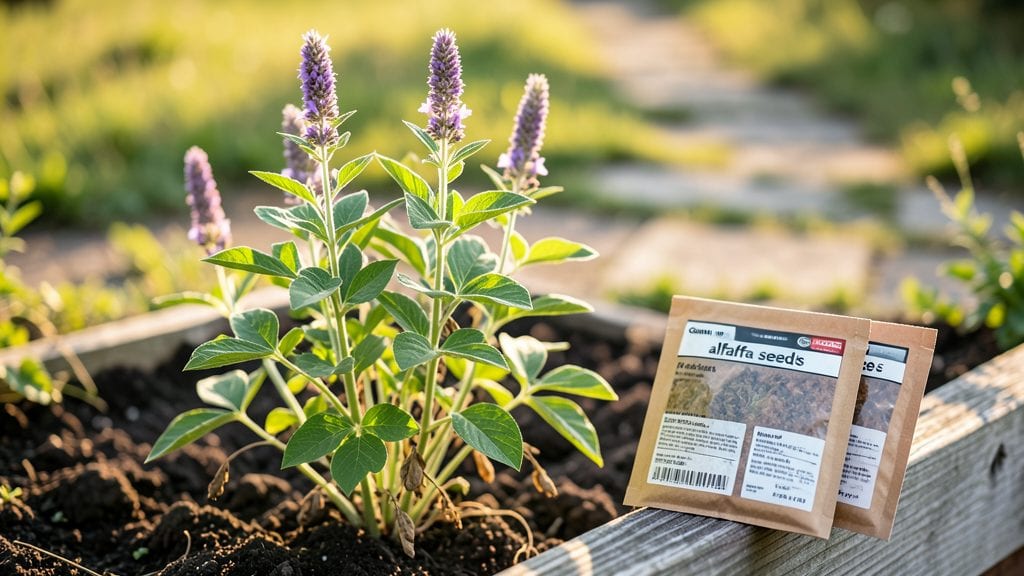
The Federal Seed Act sets strict rules for seed labeling, purity, and germination rates to protect consumers and prevent mislabeled or low-quality seeds in agricultural sales, all overseen by the USDA.
The Federal Seed Act was passed in 1939 to create transparency in seed sales, ensuring what you buy actually matches the label—whether it's a lawn seed mix or vegetable starter. 🔥 This means germination rates must meet minimum standards, and labels can't hide harmful weed seeds.
The USDA's Agricultural Marketing Service conducts tests to verify compliance, which is why you'll see certification tags on seed bags at garden centers.
For growers, compliance isn't just about avoiding fines—it's about building trust with customers. If your seeds fail germination tests, you could face legal action, and your business reputation takes a hit. I've seen small seed companies struggle when they skip proper testing, only to have orders returned or lawsuits filed.
The act covers everything from no-xious weed content to proper variety naming, so every step matters.
💡 In This Article
- Federal Seed Act Labeling and Certification Rules
- How to Comply with Seed Act Regulations for Growers
Federal seed act labeling and certification rules
The Federal Seed Act requires seed labels to include four core elements that verify quality: the variety name, germination rate, purity percentage, and no-xious weed content.
For example, a bag of Kentucky Bluegrass labeled "98% pure" must contain at least 98% viable grass seeds, with no more than 0.5% noxious weeds like cheatgrass or foxtail.
The germination rate—measured as the percentage of seeds that sprout under controlled conditions—must meet minimum standards set by the USDA, typically 80-90% for most grass seeds and higher for vegetable varieties.
Certification involves rigorous USDA testing where seeds are subjected to moisture content analysis, germination trials (placing seeds in petri dishes at 70°F for 7-14 days), and weed seed identification using microscopy.
Inspectors also verify that labels don't make false claims—like calling a mixed blend "premium" when it contains excessive filler seeds. 💫 The process ensures consumers get what they pay for, whether planting a lawn or growing vegetables.
Here's what makes the certification process stand out: the USDA uses statistical sampling to test batches, meaning they don't inspect every single seed. Instead, they take 400-1,000 seeds per sample and calculate probabilities to determine compliance.
This method balances thoroughness with practicality, as testing every seed would be impossible for large commercial lots. The certification tag—often a green or blue label—serves as a trust mark for buyers, signaling the seeds meet federal standards.
One critical nuance is the variety certification system, which applies to foundation seeds (the highest genetic purity). These seeds must be 99% true to type and undergo additional documentation, including pedigree records tracing back to the original breeder.
For example, a certified Tifway 419 Bermuda grass seed must match its parent stock's traits, or it fails certification. This system prevents mislabeling that could lead to poor lawn establishment or failed crops.
The USDA's role extends beyond testing—it also maintains a national seed health program to detect diseases like fusarium or downy mildew. If a seed lot tests positive for pathogens, it's quarantined until treated or destroyed.
This proactive approach protects both commercial growers and home gardeners from economic losses. 🔥 For instance, in 2022, the USDA intercepted a shipment of contaminated tomato seeds bound for California, preventing a potential outbreak.
For seed sellers, non-compliance carries steep penalties: fines up to $10,000 per violation and potential criminal charges for willful fraud. The USDA's Agricultural Marketing Service conducts unannounced inspections, so staying ahead of regulations is non-negotiable.
Many reputable seed companies invest in third-party lab testing beyond USDA minimums to build customer confidence, knowing that even a 1% drop in germination can mean lost sales.
The bottom line? These rules exist to create a level playing field where buyers know exactly what they're purchasing—and sellers can't cut corners. Whether you're a farmer planting corn or a homeowner seeding a lawn, the certification process acts as a quality guarantee backed by science and law. 💫