
Lawn
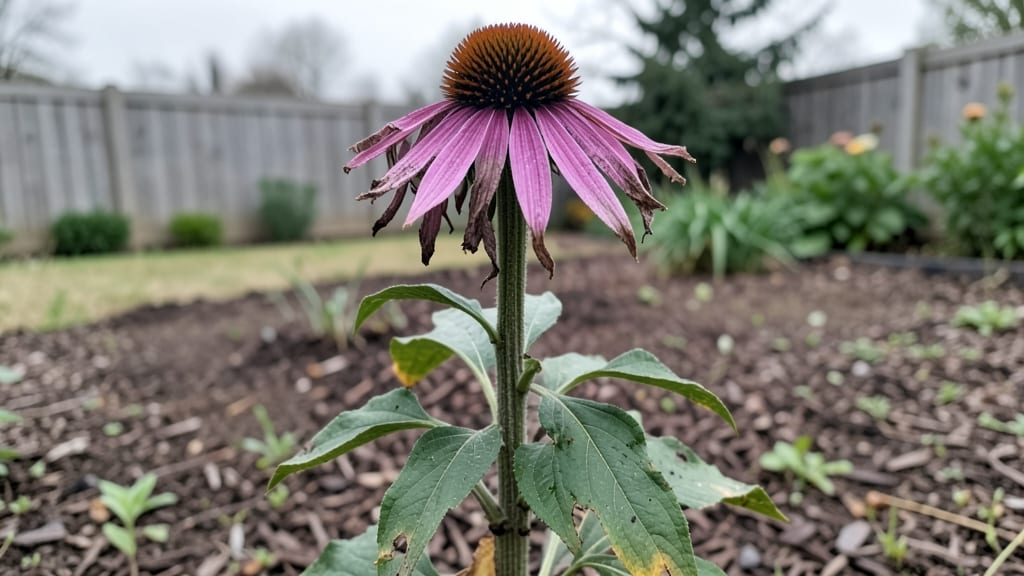
Your echinacea seed heads hold the secret to next year's pollinator paradise. ✨ After years of watching bees and butterflies swarm my garden, I learned that saving these dried blooms isn't just about winter arrangements—it's about growing a free, self-sustaining food source for your local ecosystem.
Harvesting happens in late fall when the seed heads turn brown and papery, usually after the first frost. You'll need sharp scissors, a clean bucket, and a dry, well-ventilated space for drying.
The process takes just 10 minutes to gather but pays off when those same seeds produce 30-50% more blooms next season.
Dried seed heads create stunning winter bouquets while their stored seeds feed hungry pollinators in early spring. The key is patience—properly dried heads last 6-12 months and maintain their viability. Store them in paper bags in a cool, dark place to prevent mold and maintain germination rates.
This method works for all echinacea varieties and even helps control invasive species by providing native pollinators with reliable food sources. Let's turn those spent blooms into next year's garden superstars—naturally and effortlessly.
📚 In This Guide
- What you need
- Instructions
- Tips and common mistakes
- Wrapping up and next steps
What you need
- ● Fresh echinacea plants – Healthy, fully mature seed heads (late summer/fall harvest).
- ● Clean, sharp pruners or scissors – For clean cuts (avoid crushing stems).
- ● Newspaper or paper towels – 2-3 sheets per batch to lay out seed heads.
- ● Brown paper bags or breathable mesh bags – 1 bag per 5-10 seed heads (for drying).
- ● Drying location – A dry, well-ventilated area (e.g., garage, shed, or covered porch).
- ○ Labeling tags & marker – To track varieties (optional but helpful!).
- ● Glove – Protects hands from prickly stems.
- ● Hair dryer (low heat) – Speeds up drying for impatient gardeners! 🔥
- ● Seed-saving envelope – Airtight containers for long-term storage.
- ● Camera – Snap photos of seed heads before drying for reference.
Step-by-step guide to harvesting and drying echinacea seed heads
Here's how to preserve those striking purple blooms for next season's pollinator garden.
🌱 Step 1: Choose Mature Seed Heads at Peak Ripeness
Wait until the echinacea blooms have fully matured and the petals have fallen away naturally, leaving only the spiky central cones. These cones should turn a light tan or brownish color—this indicates the seeds inside are fully developed and ready for harvest. I like to do this in late summer or early fall when the weather is dry and warm.
Gently grasp the base of the seed head with your fingers and give it a firm but careful twist to detach it from the stem. Avoid pulling too hard, as this can damage the plant or leave behind unwanted debris. If the seed head resists, it may not be fully mature yet—wait a few more days and try again.
💧 Step 2: Clean and Prepare the Seed Heads for Drying
Once harvested, remove any remaining petals, leaves, or debris from the seed heads using your fingers or a small pair of scissors. This ensures nothing will interfere with the drying process or attract pests. Place the cleaned seed heads in a single layer on a clean, dry surface like a baking sheet lined with parchment paper.
I avoid using paper towels or cloth because they can trap moisture and slow drying. Instead, I spread the seed heads out with enough space between them to allow air to circulate freely. This step is crucial—if the seed heads are crowded, they’ll dry unevenly and may develop mold.
☀️ Step 3: Dry the Seed Heads Thoroughly in a Controlled Environment
Find a warm, dry, and well-ventilated spot to dry the seed heads. A sunny windowsill or a spot near a fan works well, but avoid direct sunlight, which can cause the seed heads to dry too quickly and crack. Ideal drying conditions are at a consistent temperature of 65-75°F with good airflow.
Check the seed heads every few days to ensure they’re drying evenly. They’re ready when the cones feel dry and brittle to the touch and the seeds inside rattle when shaken. This usually takes 2-4 weeks, depending on your climate. If the air is particularly humid, drying may take longer—be patient and resist the urge to rush the process.
✂️ Step 4: Store the Dried Seed Heads Properly for Long-Term Use
Once fully dried, gently break open the seed heads to release the seeds. You can do this by rubbing the dried cones between your fingers or tapping them lightly on a hard surface. Store the seeds in a paper envelope or small glass jar labeled with the variety and the date of harvest.
Keep the seeds in a cool, dark, and dry place—such as a pantry or seed storage box—to maintain their viability. Properly stored echinacea seeds can remain viable for 2-3 years, though they’re best used within the first year for optimal germination rates. This is where your patience pays off—next year’s pollinators will thank you!
🪴 Step 5: Optional - Preserve Whole Seed Heads for Decorative Use
If you’d like to keep the seed heads intact for dried flower arrangements, bundle them together with twine or place them in a paper bag with a few holes punched in it. Hang them upside down in a dry, dark place for 1-2 weeks to ensure they’re completely dry and brittle.
Once fully dried, they’ll hold their shape beautifully and can be used in wreaths, centerpieces, or other decorative projects. I like to add them to winter arrangements for a touch of rustic charm. Just avoid storing them in plastic, which can trap moisture and lead to mold.
Tips & tricks for perfectly preserved echinacea seed heads
A few strategic approaches will help you maximize your harvest and ensure those precious seeds stay viable for next season's garden.
Timing is Everything: Harvesting echinacea seed heads at the right moment makes all the difference. Look for those light tan or brownish cones—this indicates the seeds are fully developed. I've learned the hard way that harvesting too early means immature seeds that won't germinate, while waiting too long can mean seeds falling out naturally. The key is that perfect balance when the petals have completely fallen away.
Drying Conditions Matter: Maintaining that ideal 65-75°F range is crucial for even drying without cracking. I've found that placing a small fan nearby helps circulate air without creating drafts that could scatter seeds. If your home tends to be humid, consider using a dehumidifier or drying the seed heads in a well-ventilated garage during dry periods. Remember, patience is key—rushing the process can lead to brittle seeds that crumble when you try to extract them.
Storage Wisdom: The cool, dark conditions of your pantry are perfect for long-term seed storage, but don't overlook the importance of proper labeling. I always include the variety name and harvest date on my storage containers—this helps me track germination rates over time. For decorative seed heads, that extra 1-2 weeks of drying time ensures they'll hold their shape beautifully in your winter arrangements without developing mold.
Equipment Recommendation: While you can certainly use fingers for cleaning and breaking open dried seed heads, I've found that a small pair of sharp scissors makes quick work of removing stubborn petal remnants, and a clean wooden spoon works perfectly for tapping dried cones to release seeds. These simple tools can save you time and frustration during the process.
Pro Tips for Echinacea Seed Heads
- A few strategic approaches will help you maximize your harvest and ensure those precious seeds stay viable for next season's garden.
- Timing is Everything: Harvesting echinacea seed heads at the right moment makes all the difference.
- Drying Conditions Matter: Maintaining that ideal 65-75°F range is crucial for even drying without cracking.
Frequently asked questions
When is the best time to harvest echinacea seed heads?
Harvest seed heads when they’ve turned tan or light brown and the petals have fallen away (usually late summer to early fall). Avoid harvesting too early—the seeds won’t be fully mature, and too late, they may scatter. Aim for mid-to-late September in most climates for peak viability.
How long does it take for echinacea seeds to dry?
Freshly harvested seed heads need 1–2 weeks to dry in a cool, dry, well-ventilated spot (like a paper bag or mesh bag). Check weekly by gently crushing a seed—if it’s hard and doesn’t crumble, it’s ready! Pro tip: Spread them on a screen or in a single layer to speed up drying and prevent mold.
Can I save echinacea seeds from store-bought flowers?
Unfortunately, no. Seeds from grocery-store echinacea are often hybrid varieties bred for color or size, not seed viability. For reliable seeds, grow your own plants from open-pollinated or heirloom varieties—or source seeds from trusted nurseries or seed savers.
Will harvesting seed heads hurt my echinacea plants?
Not at all! In fact, it’s beneficial—removing spent seed heads encourages new blooms and keeps the plant tidy. Just leave a few heads for pollinators (like bees and butterflies) to enjoy before harvesting. Bonus: Deadheading spent blooms early in the season can even extend your plant’s flowering time!
What if my echinacea seeds won’t germinate?
Try these fixes:
- Cold stratification: Mix seeds with damp sand and refrigerate for 4–6 weeks to mimic winter.
- Freshness check: Older seeds (over 1 year) may lose viability—start with newer ones.
- Light exposure: Some echinacea seeds need light to germinate; press them lightly into soil (don’t cover).
If all else fails, reach out to local gardening groups—they might have tips for your specific climate!
Wrapping up and next steps
Echinacea seed heads are a simple yet powerful way to support pollinators and boost your garden’s beauty year after year! By harvesting and drying them properly, you’ll create a sustainable source of seeds for future blooms—plus, you’ll give bees, butterflies, and birds a late-season treat. 🐝✨
Ready to take the next step? Start small—try harvesting just a few seed heads this season, then expand your efforts as you gain confidence. Share your pollinator-friendly garden with neighbors or local conservation groups; every seed head makes a difference!