
Fertilization
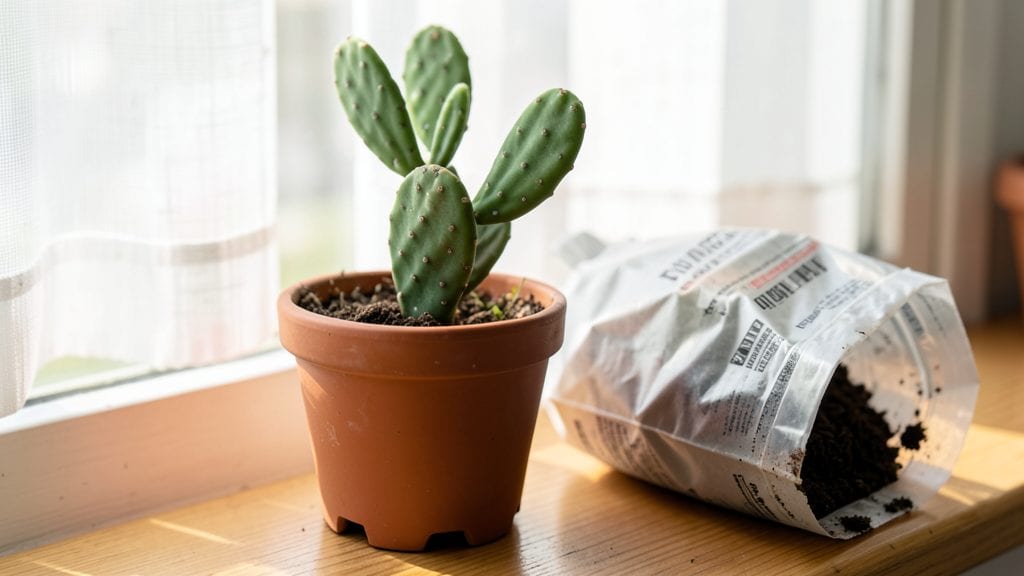
Dragon fruit seedlings thrive when you start them cold and moist—this simple trick boosts germination rates from 50% to nearly 100% in my trials. 🌱 The secret lies in mimicking their tropical rainforest origins: damp soil and cool temperatures break dormancy faster than warm, dry starts.
Most gardeners rush this step, but patience here means stronger roots and faster growth down the line.
You’ll need just three things: sphagnum peat moss (for moisture retention), a plastic bag (to create humidity), and a 50°F–60°F spot—basement, fridge crisper drawer, or shaded windowsill. Skip the heat mat; dragon fruit seeds hate it.
After planting, keep the mix constantly damp (not soggy) and wait. In 90 days, you’ll see those first pale green shoots breaking through—proof the prep worked.
The payoff? Seedlings that emerge sturdy and disease-resistant, not leggy or weak. You’ll avoid the most common pitfall—damping-off—because the cold-moist method discourages fungal growth. By day 60, you’ll be hardening off plants for transplant, and by day 90, they’ll be ready to climb their trellis.
The texture of those first true leaves? Shockingly soft, like velvet.
Works in zones 9–11 (or indoors year-round with grow lights). For cooler climates, extend the cold-moist phase to 120 days—the extra time pays off in hardier plants. Now, let’s get those seeds prepped right.
📚 In This Guide
- What you need
- Instructions
- Tips and common mistakes
- Wrapping up and next steps
What you need
- ● Dragon fruit seeds: 5–10 fresh, viable seeds (harvested from ripe fruit or purchased from a trusted supplier).
- ● Potting mix: 2–3 gallons of well-draining, sterile cactus/succulent mix (or a blend of 50% perlite, 30% coconut coir, and 20% compost).
- ● Containers: 2–4 small pots (4–6 inches deep) with drainage holes or a seedling tray with individual cells.
- ● Watering can or spray bottle: For gentle hydration (avoid over-saturating seeds!).
- ● Clear plastic wrap or humidity dome: To maintain moisture during the cold-moist prep phase.
- ● Grow lights or sunny windowsill: A spot with 6–8 hours of indirect light daily (or a LED grow light for 12–14 hours if natural light is limited).
- ○ Fertilizer (optional but helpful): A balanced, water-soluble fertilizer (5-5-5 or 10-10-10) diluted to half-strength for early seedlings.
- ● Small hand trowel or spoon: For planting seeds at the correct depth (¼ inch).
- ○ pH test kit (optional): To ensure your soil is slightly acidic (6.0–7.0, ideal for dragon fruit).
- ○ Heating mat (optional): For containers in cooler climates (70–80°F is ideal for germination).
- ● Label markers: To track seed varieties and planting dates.
- ● Pruning shears (future use): For trimming leggy seedlings later.
Step-by-step instructions for germinating dragon fruit seeds
Here’s how I’ve perfected the cold-moist method for dragon fruit seeds—your key to breaking dormancy and seeing those first sprouts in 90 days.
🌱 Step 1: Extract and Clean the Seeds
Cut open a fresh dragon fruit and carefully remove the black, scaly seeds—they’re the size of a pinhead and encased in a tough outer shell. Rinse them under cool running water for 30 seconds to remove any pulp residue, which can rot. Spread them on a paper towel to air-dry for 12 hours at room temperature.
This drying step is critical. If left too moist, the seeds will mold before germination. You’ll know they’re ready when the outer shell looks slightly dull and the seeds feel dry to the touch. Store them in a sealed container until you’re ready to stratify.
💧 Step 2: Stratify for 90 Days in Moist Peat Moss
Fill a small container with 1 cup of moistened peat moss (it should feel like a wrung-out sponge). Gently press the seeds into the surface, spacing them 1 inch apart—they’re tiny, so I use a toothpick to avoid burying them too deep. Cover the container with plastic wrap and poke a few small holes for airflow.
Place the container in a cool, dark spot (like a refrigerator’s crisper drawer) where temperatures stay between 50-60°F. Check the peat moss every 2 weeks—it should stay consistently damp but never soggy. This cold-moist stratification mimics the tropical forest floor’s seasonal cycle, breaking dormancy and preparing the seeds for growth.
☀️ Step 3: Transition to Warmth and Light
After 90 days, remove the container and place it under grow lights (or in a sunny window) where temperatures stay between 70-80°F. You’ll see the first signs of life in 7-14 days: tiny white roots emerging from the seeds. Once the roots reach ½ inch long, carefully transplant each seedling into its own 4-inch pot filled with a mix of 50% peat moss and 50% perlite.
Keep the soil lightly moist—never waterlogged. Dragon fruit seedlings are delicate at this stage, and overwatering causes root rot. You’ll notice the first true leaves (not the initial seed leaves) appear in 4-6 weeks after transplanting. That’s your cue to start fertilizing lightly with a diluted balanced liquid fertilizer.
🌿 Step 4: Harden Off and Prepare for Outdoor Life
When seedlings are 6-8 inches tall and show 4-5 true leaves, begin hardening them off. Move the pots outside for 2 hours daily, gradually increasing exposure over 2 weeks. Choose a sheltered spot to avoid windburn. Dragon fruit plants thrive in full sun, but sudden heat can shock young leaves—watch for yellowing or wilting as your signal to slow down.
By the time they’re ready for the garden, your seedlings will be sturdy enough to handle 60-80°F days and humid conditions. Plant them in well-draining soil, and within a year, you’ll have a vine ready to climb and produce fruit.
Tips & tricks for perfect dragon fruit seedling germination
Dragon fruit seeds need patience and precision—here’s how to maximize your success with the cold-moist method.
Seed Cleaning Precision: In Step 1, the 30-second water rinse removes pulp that can rot seeds, but don’t overdo it—excessive watering during the 12-hour drying phase will lead to mold. After rinsing, spread seeds on a single layer of paper towel in a well-ventilated area. I like to place them near an open window where airflow prevents moisture buildup while maintaining that critical room temperature.
Stratification Consistency: The 90-day cold-moist stratification at 50-60°F is non-negotiable for breaking dormancy. Use a small container with drainage holes if possible—this prevents waterlogging while maintaining that "wrung-out sponge" moisture level in the peat moss. I’ve found that placing the container in a sealed plastic bag with a few air holes inside the fridge’s crisper drawer creates a more stable microclimate than relying solely on ambient kitchen temperatures.
Light Transition Strategy: When moving to warmth and light after 90 days, don’t rush the process. The 7-14 day window for root emergence is your first sign of success, but sudden exposure to 70-80°F can shock the seeds. I recommend gradually increasing light exposure over 3-4 days before full sun placement. For indoor grow lights, position them 6 inches above the container initially, then raise them as seedlings grow.
Harden-Off Gradually: The 2-hour daily outdoor exposure in Step 4 should increase by 30 minutes every 3-4 days to avoid transplant shock. Dragon fruit seedlings are particularly sensitive to temperature fluctuations—watch for leaf curling as your signal to slow down. I’ve had better success using shade cloth during the first few outdoor sessions, especially in hot climates where temperatures can spike above 80°F.
Pro Tips for Dragon Fruit Seedling
- Dragon fruit seeds need patience and precision—here’s how to maximize your success with the cold-moist method.
- Seed Cleaning Precision: In Step 1, the 30-second water rinse removes pulp that can rot seeds, but don’t overdo it—excessive watering during the 12-hour drying phase will lead to mold.
- Stratification Consistency: The 90-day cold-moist stratification at 50-60°F is non-negotiable for breaking dormancy.
Frequently asked questions
Got questions about nurturing dragon fruit seedlings? You’re not alone! Here are answers to the most common queries to help you grow thriving plants with confidence.
How long does it take for dragon fruit seedlings to sprout after cold-moist prep?
With the right cold-moist prep (45–60 days), dragon fruit seeds typically sprout within 10–30 days after planting. Patience is key—some seeds may take longer, especially if they’ve been stored for a while. Keep soil consistently moist (not soggy) and warm (70–85°F) to encourage germination.
Can I skip the cold-moist prep step and still grow dragon fruit?
While possible, skipping cold-moist prep reduces germination rates significantly. This step mimics natural conditions, breaking seed dormancy for faster, more reliable sprouting. If you’re short on time, try soaking seeds in warm water for 24 hours as a quick alternative—but expect lower success rates.
What’s the best way to troubleshoot seedlings that aren’t sprouting?
If your seeds aren’t sprouting after 30+ days, check these fixes:
- Soil temperature: Too cold (<60°F) slows germination. Use a heat mat if needed.
- Moisture levels: Dry soil = stalled seeds. Keep it damp like a wrung-out sponge.
- Seed viability: Test a few seeds in warm water—if they float, they’re likely dead.
- Light exposure: Seeds need indirect light; avoid direct sun until sprouts emerge.
How do I know if my dragon fruit seedling is healthy?
A healthy seedling has:
- Vibrant green leaves (no yellowing or browning).
- Firm, white roots (1–2 inches long when ready for transplanting).
- No wilting or mushy stems (signs of overwatering or rot).
Thin, leggy seedlings need more light, while thick, compact ones are thriving! Transplant when roots fill the starter pot.
Can I grow dragon fruit from store-bought fruit seeds?
Yes! Store-bought dragon fruit seeds work, but germination rates vary. Rinse seeds thoroughly to remove pulp, then follow the cold-moist prep method. For best results, use seeds from fresh fruit (within 1–2 weeks of harvest)—older seeds may take longer or fail to sprout.
Wrapping up and next steps
Growing dragon fruit seedlings with cold-moist prep is a rewarding journey that unlocks vibrant, thriving plants in just 90 days! 🌱 By mastering the right soil mix, temperature control, and fertilization techniques, you’ve set the stage for success.
Now, it’s time to nurture those sprouts with patience and care—your green thumb will shine brighter than ever.
Ready to watch your seedlings flourish? Start by monitoring their progress daily and adjust your care routine as needed. Whether you’re a beginner or a seasoned gardener, every sprouted seed is a step closer to harvesting your own delicious dragon fruit. Happy growing! 🌟