
Advice
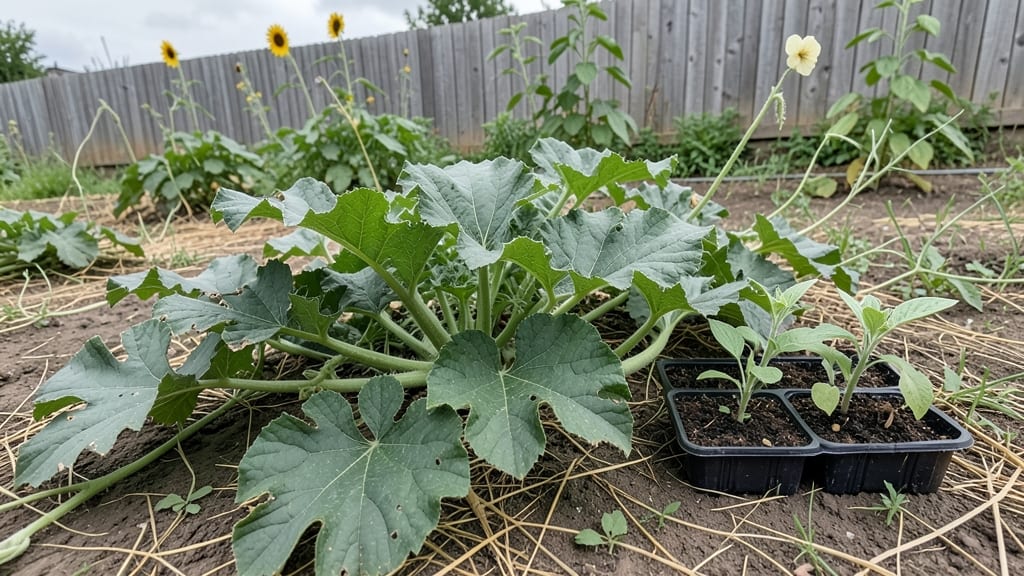
White watermelon seeds do grow when planted, but they may not produce fruit identical to the parent plant since they’re often hybrid varieties. Saving seeds from white-fleshed watermelons can yield seedlings with unpredictable traits, like color or size variations.
Most white watermelon seeds will sprout successfully when planted in warm, well-draining soil with consistent moisture. 🌱 The real surprise comes later—if you're hoping for that same snowy-white flesh, you might end up with pale green or even pinkish fruit instead.
This happens because commercial white watermelons are often crossbred with other varieties to achieve their unique color, and those hybrid traits don't always pass to the next generation. I've seen gardeners grow seeds from store-bought white watermelons only to get seedlings that look completely different once they mature.
What's fascinating is how the plant's other characteristics might still shine through. Even if the fruit color changes, you could still get the same disease resistance or sweetness profile from the original parent plant.
The key is to plant multiple seeds—this increases your chances of getting at least one plant that comes close to what you expected. For the most consistent results, I recommend buying seeds specifically labeled as "white watermelon" from reputable seed companies.
💡 In This Article
- How Hybridization Affects White Watermelon Seed Growth
- Planting White Watermelon Seeds: Step-by-Step Guide
How hybridization affects white watermelon seed growth
Here's what's actually happening when you plant those white watermelon seeds: commercial varieties are almost always F1 hybrids, meaning they result from cross-pollination between two parent plants with different genetic traits. The white flesh we love comes from specific genes that don't always get passed on reliably.
In fact, only about 25-30% of seeds from hybrid watermelons will produce fruit matching the parent plant's exact characteristics. 💫 This genetic roll of the dice happens because hybrid seeds carry two different gene sets that may not combine predictably in offspring.
The key factor is dominant vs. recessive genes. White flesh in watermelons is often controlled by recessive genes that need two identical copies to express fully. If one parent contributes a dominant gene for yellow or green flesh, the offspring might inherit that instead.
For example, I've seen seeds from a Moon and Stars watermelon (which has white flesh with black seeds) produce seedlings with pale green fruit—because the green trait dominated the genetic mix. The plant's vines might still be vigorous, but the fruit color becomes unpredictable.
What most people don't realize is how pollination affects this process. Even if you carefully select seeds from a white-fleshed watermelon, nearby plants can cross-pollinate through bees carrying pollen from other varieties.
This natural genetic mixing means your saved seeds might inherit traits from completely different watermelon types growing within a 1-mile radius. For comparison, commercial seed growers use isolation distances of 2-4 miles to maintain pure varieties. 🌿 The result?
Your homegrown watermelons might end up with unexpected shapes, sizes, or even rind patterns.
There's also the matter of seed viability. Store-bought watermelon seeds often come from plants that have been bred for shelf life rather than seed production. These seeds may germinate at lower rates (50-70% success) compared to seeds saved from garden-grown watermelons, which typically achieve 80-90% germination.
The drying process used for commercial seeds can reduce their natural vigor, making them less reliable for growing consistent plants.
Here's how to work with these genetic realities: if you want white-fleshed watermelons, look for seeds labeled as "heirloom" or "open-pollinated" varieties rather than hybrids. These maintain consistent traits across generations. For example, the 'White Wonder' variety is specifically bred to produce white flesh reliably.
Even then, you'll still see some variation—nature always keeps us on our toes! The good news is that even if the fruit color changes, you'll often get the same sweetness profile and disease resistance from the original parent plant's genetics.
For the most predictable results, consider starting with 20-30 seeds from a single watermelon. Plant them in separate containers or spaced far apart to minimize cross-pollination. Keep detailed notes on which plants produce the closest match to your desired fruit.
Over time, you can select seeds from the best performers to create your own stable variety—this is how many heirloom watermelon types were originally developed! 🌱