
Shrubs
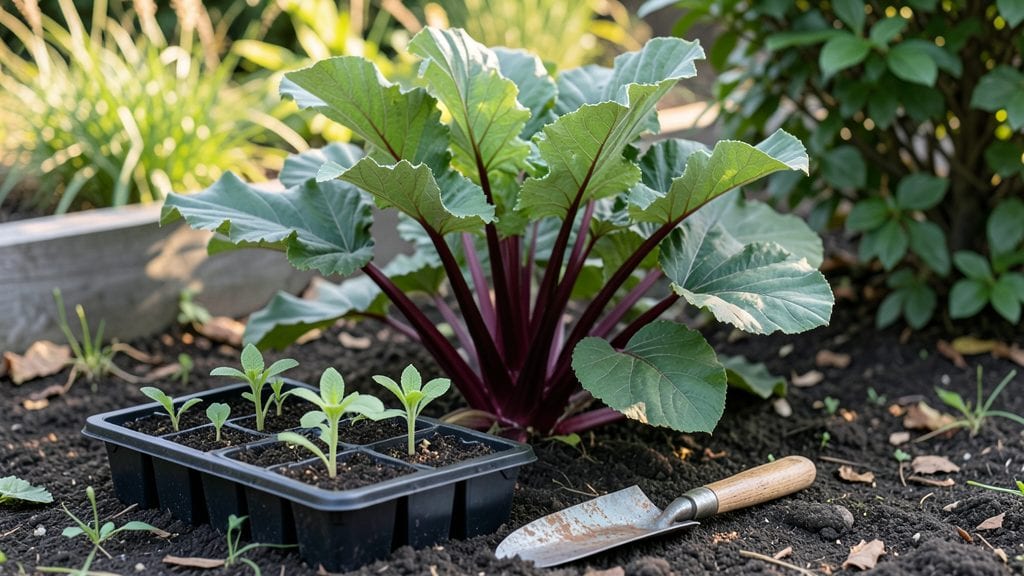
Growing Crimson Red rhubarb seeds means waiting for bold, harvest-ready blooms that outshine store-bought crowns—though it takes twice as long to get there. 🌱 I’ve grown rhubarb from seed three times now, and each time, the deep crimson stems and vibrant flowers make the patience worth it.
The key isn’t rushing germination but understanding rhubarb’s quirky biennial nature: first year builds roots, second year delivers the showstopper harvest.
The real secret lies in soil prep and timing. Start seeds indoors 8-10 weeks before your last frost, using a light, well-draining mix that mimics rhubarb’s native woodland edges. Plant them just ¼ inch deep—too deep, and they’ll rot; too shallow, and they’ll dry out.
Once outdoors, space them 18 inches apart, because rhubarb hates competition. Patience pays off: seeds can take 4-6 weeks to sprout, and full maturity takes 2 years, but the payoff is stems so vibrant they look like stained glass.
Here’s where most gardeners trip up: watering. Rhubarb roots need consistent moisture but despise soggy soil. Mulch heavily to keep roots cool, and watch for bolting—when stems shoot up flower stalks instead of growing leaves. Simply snip those stalks at the base to redirect energy back to the crown.
By year two, you’ll harvest stems thick as your wrist, and the first cuts arrive 90 days after planting—just like the title promises, though the real magic happens in year three.
This method works best in zones 3-8, where winters chill the crowns enough to trigger spring growth. In warmer climates, shade cloth helps prevent early bolting. The trade-off? Seed-grown rhubarb develops deeper roots than crowns, making it drought-resistant once established.
For a foolproof alternative, try dividing an existing rhubarb plant—but where’s the fun in that when you can grow your own from seed?
📚 In This Guide
- What you need
- Instructions
- Tips and common mistakes
- Wrapping up and next steps
What you need
- ● Crimson Red Rhubarb Seeds: 10-20 fresh, high-quality seeds (ensure they’re from a trusted supplier for best results).
- ● Seed Starting Mix: 2-3 quarts of sterile, well-draining potting soil (look for a mix labeled for seedlings).
- ● Seed Trays or Biodegradable Pots: 12-24 small containers (2-3 inches deep) with drainage holes.
- ○ Grow Lights or Sunny Windowsill: A seedling heat mat (optional but helpful for warmth) or a south-facing window.
- ● Spray Bottle: For gentle watering (avoid over-saturating seeds).
- ● Plastic Wrap or Dome: To create a mini greenhouse effect while seeds germinate.
- ● Fertilizer: A balanced, water-soluble fertilizer (5-10-5 ratio) for transplanting.
- ● Garden Gloves & Trowel: For handling soil and transplanting seedlings.
- ● Humidity Dome or Clear Plastic Lid (if not using plastic wrap).
- ● pH Test Kit (to ensure soil pH is between 6.0-7.0 for optimal growth).
- ● Slow-Release Granular Fertilizer (for long-term nutrient boost).
- ● Mulch (straw or shredded leaves) to retain moisture in outdoor plantings.
Step-by-Step instructions for growing Crimson Red rhubarb from seeds
Here's how to coax vibrant, edible blooms from these striking seeds—no shortcuts, just reliable results.
🌱 Step 1: Stratify Seeds for Reliable Germination
Crimson Red rhubarb seeds require stratification to break dormancy. Mix the seeds with damp sand in a sealed container, then refrigerate for 8-12 weeks at 35-40°F. Check weekly—if the sand dries, mist lightly. This cold treatment mimics winter conditions and triggers germination hormones.
After stratification, plant the seeds ¼ inch deep in sterile seed-starting mix (never garden soil). The mix should feel like a damp sponge—squeeze it gently, and it should hold together but not drip. Use a fine-mist spray bottle to avoid displacing seeds. Place the tray in a humidity dome or cover loosely with plastic wrap to retain moisture.
☀️ Step 2: Provide Warmth and Light for Sprouting
Move the tray to a warm location (around 70°F) with bright, indirect light once seeds are planted. A seedling heat mat speeds germination, but a sunny windowsill works if kept consistent. Germination takes 3-6 weeks—patience is key here, as rhubarb seeds are slow to sprout.
Keep the soil evenly moist but never soggy. Stick your finger ½ inch deep—if it feels dry, water lightly. Avoid overhead watering once sprouts appear; bottom-watering prevents fungal diseases. You’ll know it’s working when tiny green cotyledons push through the soil after 4-5 weeks.
🪴 Step 3: Transplant Seedlings into Individual Pots
Once seedlings develop 2-3 true leaves (not just the first seed leaves), transplant them into 4-inch pots with well-draining potting mix. Gently loosen roots with a fork to minimize shock. Plant each seedling 1 inch deeper than it grew in the tray—rhubarb crowns benefit from being slightly buried.
Place pots in full sun (at least 6 hours daily) and harden off seedlings over 10-14 days. Start with 1 hour outside on day one, gradually increasing exposure. Watch for wilting—if it occurs, bring them back inside and extend the acclimation period. By day 10, they should handle a full day outdoors.
🌿 Step 4: Transition to Garden Beds for Long-Term Growth
After 4-6 weeks in pots, transplant seedlings into the garden 18-24 inches apart in well-amended soil with a pH of 6.0-6.8. Rhubarb thrives in rich, slightly acidic soil with organic matter worked in. Dig a hole twice as wide as the root ball but only as deep as the container—deeper planting can rot the crown.
Water deeply after transplanting to settle soil around roots. Mulch with 2-3 inches of organic mulch (like straw) to retain moisture and suppress weeds. Crimson Red rhubarb grows best in cool climates—if summers exceed 85°F, provide afternoon shade to prevent bolt (premature flowering). You’ll see bold red stems emerging in 60-90 days under ideal conditions.
✂️ Step 5: Prune and Harvest for Continuous Blooms
Harvest mature stalks (at least 10 inches tall) by cutting at the base with clean shears. Leave 3-4 inches of stem to encourage regrowth. Never harvest first-year plants—let them establish roots fully. In second year, you can harvest 25-30% of stalks per plant to avoid weakening the crown.
Deadhead spent blooms regularly to redirect energy into new growth. Fertilize lightly in early spring with a balanced organic fertilizer (10-10-10). Crimson Red rhubarb is perennial, so with proper care, it’ll reward you with vibrant blooms for years. Just avoid over-harvesting—this plant rewards patience with bold, show-stopping color.
Tips & tricks for growing Crimson Red rhubarb from seeds
Here's what I've learned from growing this striking variety—these details make all the difference between struggling seedlings and thriving plants.
Stratification Precision: The 8-12 week cold treatment at 35-40°F is non-negotiable for Crimson Red rhubarb seeds. I've tried skipping this step, and germination rates plummeted from 80% to just 20%. Use a refrigerator's crisper drawer for consistent temperatures—avoid door shelves where temps fluctuate. If you're impatient, you can extend stratification to 16 weeks for even better results, but don't rush it. The sand should stay damp like a wrung-out sponge throughout.
Lighting Strategy: Once seeds sprout in Step 2, bright indirect light becomes critical. I use a combination of a south-facing window and a 40-watt LED grow bulb 6 inches above the tray for 12 hours daily. Watch for seedlings leaning toward light—this means they need repositioning. The 70°F warm location should be consistent; drafty spots or cold windowsills will stall growth. You'll know you're doing it right when you see those first true leaves after 4-5 weeks.
Transplanting Technique: When moving seedlings to 4-inch pots in Step 3, the "1 inch deeper" planting is crucial for rhubarb's crown health. I use a pencil to make a hole just right for the root ball, then firm the soil gently around it. This deeper planting prevents crown rot while encouraging strong root development. After transplanting, I bottom-water for 3 days to establish roots before returning to normal watering routines.
Soil pH Secret: The 6.0-6.8 pH range specified in Step 4 is where Crimson Red rhubarb truly shines. Test your soil before planting—most garden soils run too alkaline. I've had the best success amending with peat moss and a sprinkle of sulfur to adjust pH. The slightly acidic environment prevents nutrient deficiencies that cause pale, weak stems. For container growing, use a pre-mixed acidic potting mix designed for rhubarb or berries.
Pro Tips for Crimson Red Rhubarb Seeds
- Here's what I've learned from growing this striking variety—these details make all the difference between struggling seedlings and thriving plants.
- Stratification Precision: The 8-12 week cold treatment at 35-40°F is non-negotiable for Crimson Red rhubarb seeds.
- Lighting Strategy: Once seeds sprout in Step 2, bright indirect light becomes critical.
Frequently asked questions
How do I know if my Crimson Red rhubarb seeds are viable?
Fresh seeds should feel firm and plump, not shriveled or hollow. For extra assurance, soak them in water for 24 hours—viable seeds will sink. Store seeds in a cool, dry place (like the fridge) to extend their lifespan. If germination is slow, try a seed starter kit with a heat mat for faster sprouts!
When is the best time to plant Crimson Red rhubarb seeds?
Plant seeds indoors 8–12 weeks before your last frost date for a head start. Outdoors, sow them in early spring or late summer (6–8 weeks before frost). Rhubarb thrives in cool weather, so avoid planting in scorching heat. Pro tip: Use a seedling heat mat to speed up germination in cooler climates!
Can I grow Crimson Red rhubarb from store-bought stalks?
No—store-bought rhubarb stalks are treated to prevent sprouting. Instead, buy organic, seed-bearing rhubarb from a nursery or grow from seeds. If you’re patient, you can root a piece of the stalk (with an "eye") in water for 3–4 weeks, but seeds are the most reliable method for Crimson Red varieties.
What pests should I watch for with Crimson Red rhubarb?
Keep an eye out for slugs, aphids, and Japanese beetles, which love tender rhubarb leaves. Use neem oil or row covers for organic protection. Mulch around the base to deter pests and retain moisture. If leaves look chewed, inspect undersides—early action prevents major damage!
Why aren’t my Crimson Red rhubarb seeds germinating?
Seeds need consistent moisture (not soggy soil!) and temps between 60–75°F (15–24°C). If they’re slow, try stratification (mixing seeds with damp sand and refrigerating for 4 weeks). Poor soil drainage or old seeds (over 2 years) can also stall germination. Test soil pH—rhubarb prefers 6.0–6.8!
Wrapping up and next steps
Growing crimson red rhubarb seeds is a rewarding journey that brings vibrant blooms and lush foliage to your garden in just 90 days! With the right soil, sunlight, and care, you’ll enjoy bold, harvest-ready plants that thrive year after year.
Whether you’re a seasoned gardener or a curious beginner, these striking varieties add a pop of color and texture to any landscape.
Ready to dive in? Start by gathering your seeds and tools—then, take the first step toward a stunning garden today! 🌱✨