
Flowers
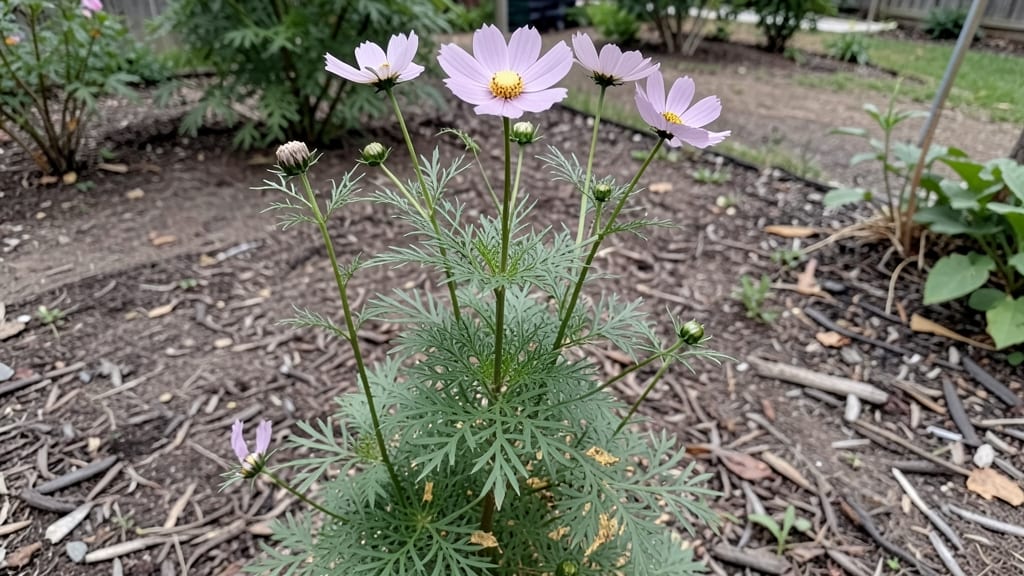
Planting cosmos wildflower seeds this spring turns your yard into a buzzing, blooming paradise by summer. ✨ I’ve grown cosmos for years, and they’re the easiest way to invite bees, butterflies, and hummingbirds into your garden without any fuss.
The secret lies in their love for sunlight, their forgiving nature, and the fact that they self-seed like crazy—meaning more flowers next year with zero effort.
You’ll need just three things: a sunny spot (at least 6 hours of light), lightweight soil (they hate soggy roots), and a packet of seeds. Direct-sow them after the last frost, barely covering them with soil—cosmos seeds need light to germinate.
Space them 12 inches apart if you want tall, showy blooms or 6 inches for a wildflower meadow look. Water gently after planting, and you’ll see sprouts in 7-14 days.
By 60 days, you’ll have towering stems bursting with pink, white, or red blooms that last all summer. The flowers stay fresh even when cut, and the plants keep producing until frost.
Plus, they’re drought-tolerant once established—perfect for busy gardeners who want beauty with minimal upkeep. Deer and rabbits usually leave them alone, too.
Works in borders, cottage gardens, or even containers on patios. Once you try cosmos, you’ll wonder why you didn’t plant them sooner—they’re the ultimate no-fail wildflower. Let’s get those seeds in the ground!
📚 In This Guide
- What you need
- Instructions
- Tips and common mistakes
- Wrapping up and next steps
What you need
- ● Cosmos wildflower seeds – 1 packet (approx. 500-1,000 seeds), choose a mix like 'Bright Lights' or 'Sensation' for color variety.
- ● Well-draining potting mix – 1 bag (1-2 cubic feet), or garden soil amended with compost for outdoor planting.
- ● Seed-starting trays or small pots – 6-12 cells per tray (or biodegradable peat pots for easy transplanting).
- ● Watering can or spray bottle – With a fine mist setting to avoid disturbing seeds.
- ○ Gloves – Optional but helpful for handling soil and seeds.
- ● Trowel or small shovel – For transplanting seedlings.
- ○ Plant labels (optional) – To track varieties if growing multiple types.
- ● Sunlight or grow lights – A sunny windowsill or LED grow light (12-14 hrs/day) for indoor starts.
- ● Sunlight access – Full sun (6+ hours daily) for optimal growth.
- ● Warmth – Seeds germinate best at 70-75°F (21-24°C).
- ● Patience (and a little water!) – Consistent moisture until germination (7-14 days).
Step-by-Step instructions for growing cosmos wildflower seeds
Here’s how I transform a handful of seeds into a buzzing pollinator paradise in just two months.
🌱 Step 1: Prepare the Soil and Plant the Seeds
Cosmos thrives in well-draining soil, so start by loosening the top 6 inches of your planting area with a garden fork. Remove any weeds or debris—cosmos hate competition. I like to work in a 10-12 inch deep trench, about 12 inches apart for each row, since these beauties grow 3-4 feet tall. The seeds are tiny, so I sprinkle them ¼ inch deep—just a light dusting—then cover with soil.
Here’s the thing—cosmos seeds don’t need light to germinate, but they do need warmth. If your soil is below 60°F, wait until it warms up. You’ll see sprouts in 7-14 days once the temperature rises. Don’t water immediately after planting—let nature handle it unless your soil is bone-dry.
☀️ Step 2: Provide Sun and Water Wisely
Cosmos are sun worshippers, so choose a spot with full sun (6+ hours daily). They’ll tolerate partial shade, but the blooms will be sparser. Once seedlings emerge, water deeply once a week—this encourages strong roots. I use a soaker hose to avoid wetting the leaves, which prevents fungal issues like powdery mildew.
You’ll know you’re doing it right when the stems are sturdy and the leaves are a vibrant green. If the soil feels dry 1 inch below the surface, it’s time to water again. Overwatering is the fastest way to kill cosmos—these drought-tolerant flowers hate soggy roots.
✂️ Step 3: Thin and Support for Maximum Blooms
When seedlings are 3-4 inches tall, thin them to 12-18 inches apart—this gives each plant room to grow without crowding. Use sharp scissors to snip at soil level rather than pulling, which disturbs the roots. I always save the thinnings for bouquets—they’re just as pretty!
As plants reach 18 inches tall, they’ll need support. I tie them to 3-foot stakes with soft twine, but you can also let them flop naturally if you prefer a wild, natural look. Deadhead spent blooms regularly—this redirects energy into more flowers instead of seed production.
🌿 Step 4: Maintain Through the Season
Cosmos are low-maintenance, but a little care goes a long way. Fertilize lightly with a balanced 10-10-10 formula once a month—too much nitrogen makes them grow leaves instead of flowers. I also mulch with 2 inches of straw to retain moisture and suppress weeds.
Watch for pests like aphids or spider mites, but cosmos rarely suffer major issues. If you spot trouble, spray with neem oil in the early evening. By 60 days, you’ll have a cloud of blooms attracting bees, butterflies, and hummingbirds—worth every minute!
Tips & tricks for perfect cosmos wildflower growth
A few key strategies will ensure your cosmos thrive and transform your garden into a vibrant pollinator magnet.
Soil Preparation: The 6-inch soil loosening in Step 1 is crucial—cosmos roots need that depth to establish strong anchors. I like to add a handful of compost to the trench before planting, which improves drainage while providing nutrients. For heavy clay soils, mix in some coarse sand to prevent waterlogging, which these drought-tolerant plants absolutely despise.
Timing Secret: Those 7-14 days for germination are your window to monitor soil moisture without overwatering. I've found that checking soil temperature with a simple thermometer is worth it—aim for consistently above 60°F. If your area has unpredictable spring weather, consider using a mini greenhouse or cold frame to give seeds a warmer start, especially if you're planting early.
Watering Wisdom: The once-a-week deep watering in Step 2 works beautifully, but timing matters. Water in the early morning so foliage dries quickly, preventing fungal issues. I've noticed that cosmos actually tolerate brief droughts better than soggy conditions—if you forget to water, they'll bounce back more readily than many annuals. The 1-inch dry check is your best friend here.
Support System: When your plants reach 18 inches in Step 3, don't skip the support stakes if you want those dramatic blooms. I've seen cosmos grow 3-4 feet tall without support, but they tend to flop dramatically in wind or rain. For a more structured look, I like using decorative metal stakes that double as garden art—functional and pretty!
Pro Tips for Cosmos Wildflower Seeds
- A few key strategies will ensure your cosmos thrive and transform your garden into a vibrant pollinator magnet.
- Soil Preparation: The 6-inch soil loosening in Step 1 is crucial—cosmos roots need that depth to establish strong anchors.
- Timing Secret: Those 7-14 days for germination are your window to monitor soil moisture without overwatering.
Frequently asked questions
Got questions about growing cosmos wildflower seeds?
You’re not alone! Here are answers to the most common queries—so you can create your pollinator paradise with confidence.
When is the best time to plant cosmos wildflower seeds?
Plant cosmos seeds in early spring (after the last frost) or late summer for a fall bloom. They thrive in warm soil (at least 60°F/15°C). For a continuous display, stagger plantings every 2–3 weeks. Pro tip: If sowing in fall, wait until temperatures drop below 80°F (27°C) to avoid bolting (premature flowering).
How long does it take for cosmos wildflower seeds to germinate?
Germination usually takes 7–14 days in ideal conditions (warm soil, consistent moisture). Keep seeds moist but not soggy—use a light sprinkle of water or a spray bottle. If germination takes longer, check soil temperature (too cold can delay sprouting). Patience pays off!
Can I grow cosmos wildflower seeds in containers or small spaces?
Cosmos are perfect for containers, balconies, or small gardens. Use pots at least 6 inches deep with well-draining soil. Plant 2–3 seeds per container, thin to the strongest sprout. Bonus: Their trailing varieties spill beautifully over edges, adding vertical interest.
Why aren’t my cosmos wildflower seeds attracting pollinators?
Check these fixes:
- Deadhead spent blooms to encourage new flowers.
- Ensure plenty of water (drought stress reduces nectar).
- Plant near companion flowers like sunflowers or marigolds.
- Check for pesticides—cosmos are pesticide-free zones!
What can I do if my cosmos seeds don’t sprout?
Try these troubleshooting steps:
Issue
Solution
Seeds too deep
Cosmos need light to germinate—plant ¼ inch deep max.
Cold soil
Use a seedling heat mat or wait for warmer temps.
Old seeds
Test viability by soaking seeds in water—sinkers are good; floaters may be dead.
Poor soil
Amend with compost or use a seed-starting mix.
Wrapping up and next steps
Transforming your space into a buzzing pollinator paradise with cosmos wildflower seeds is easier—and more rewarding—than you think! 🌸 With just 60 days of patience and a little care, you’ll witness a vibrant explosion of color and life that supports bees, butterflies, and hummingbirds.
Whether you’re a seasoned gardener or a curious beginner, this project is your chance to make a real difference for local ecosystems.
Ready to take the next step? Grab your seeds, pick a sunny spot, and plant today! Share your blooming progress with fellow gardeners—your garden could inspire others to join the movement. Let’s grow beauty, one seed at a time! 🌱✨