Flowers
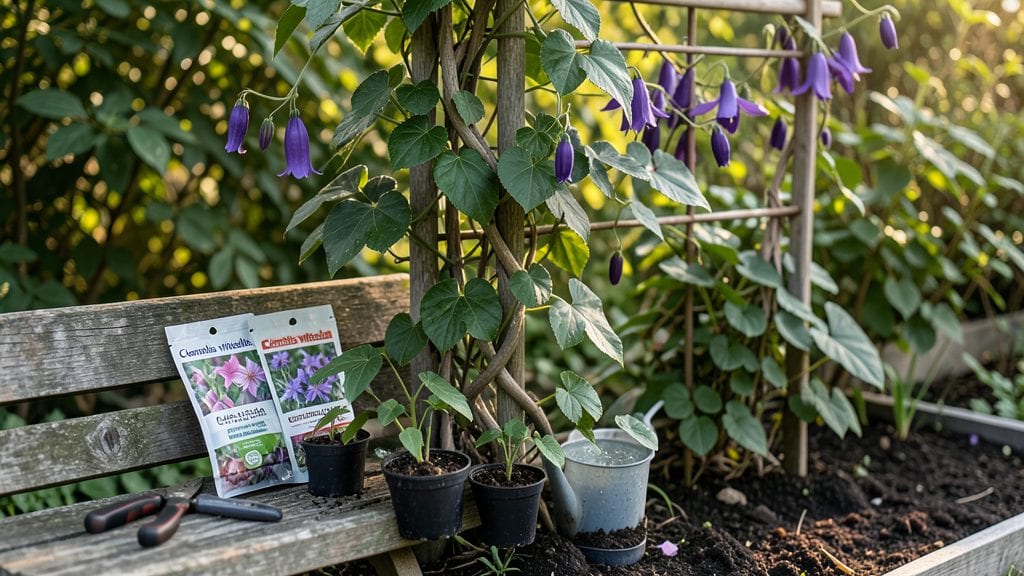
Planting climbing flower seeds transforms bare walls into lush vertical gardens that bloom for years—my clematis vines now climb a pergola, their purple flowers spilling over like liquid silk. 🌿 The secret isn’t just choosing the right varieties (morning glories for fast color, jasmine for fragrance, clematis for drama) but giving them the right start in soil, sunlight, and support.
You’ll need well-draining soil mixed with compost, a sturdy trellis or fence, and patience—these plants reward long-term care with three years of showstopping growth. Morning glories sprout in as little as 7 days, while clematis takes 3-4 weeks to germinate, so adjust your expectations.
Water consistently but avoid soggy roots, and watch as tendrils explore their vertical world.
By year three, your vertical garden will be a magnet for pollinators and neighbors alike, with blooms that last from early summer through fall. The fragrance of jasmine at dusk or the bold contrast of clematis against a brick wall? That’s the payoff of a little planning and consistent care.
Works for balconies, trellises, or even old fences—no green thumb required, just attention to detail. Let’s get those seeds started right.
📚 In This Guide
- What you need
- Instructions
- Tips and common mistakes
- Wrapping up and next steps
What you need
- ● Climbing flower seeds: Choose 1–2 varieties (e.g., Clematis, Morning Glory, or Sweet Pea). Buy 1–2 seed packets (50–100 seeds each) for a small trellis or 3–5 packets for larger structures.
- ● Vertical trellis or support: DIY option: Wooden lattice, bamboo stakes, or wire mesh (at least 4–6 feet tall).
- ● Store-bought: A pre-made climbing plant trellis (e.g., A-frame, spiral, or wall-mounted).
- ● Potting mix: 1–2 bags (10–20 quarts) of well-draining, organic potting soil (or a mix of 60% potting soil + 40% perlite for aeration).
- ● Containers: Hanging pots: 2–4 pots (5–10 gallons each) with drainage holes.
- ● Wall pockets: 4–6 fabric or plastic pockets for a modular vertical garden.
- ● Drainage system: 1–2 inches of gravel or pebbles (for pots) or drip irrigation tubing (for wall systems).
- ● Gloves (gardening or work gloves).
- ● Trowel or small shovel (for planting).
- ● Measuring tape or ruler (to space seeds/pots evenly).
- ● Spray bottle (for gentle watering).
- ● Twine or plant ties (to secure vines to trellises).
- ● Pruning shears (for trimming as they grow!).
- ● Fertilizer: Slow-release balanced fertilizer (10-10-10) or compost tea for a nutrient boost.
- ● Mulch: 1–2 inches of shredded bark or straw to retain moisture.
- ● Grow lights: LED full-spectrum bulbs if starting indoors or in low-light areas.
- ● Self-watering system: Drip irrigation kit or wicking pots for hands-off care.
- ● Decorative elements: Solar-powered lights, fairy lights, or painted pots to elevate your vertical garden!
Step-by-Step guide to growing climbing flowers from seeds
Transform any space into a lush vertical garden with these proven techniques for cultivating vigorous climbing blooms.
🌱 Step 1: Select and Prepare the Right Seeds
Choose seeds suited for vertical growth, like clematis, morning glories, or sweet peas—each thrives when given proper support. I always opt for heirloom varieties because they produce stronger, more resilient vines. Before sowing, soak seeds in lukewarm water for 12 hours to soften tough outer coatings and encourage faster germination.
Use the 1 packet of climbing flower seeds provided, and avoid mixing varieties unless you’re prepared for different growth habits. Label each container with the seed type and date—this saves headaches later when distinguishing between delicate morning glories and hardy clematis.
🪴 Step 2: Choose Containers and Fill with Well-Draining Mix
Select containers that are at least 6 inches deep with drainage holes—climbing flowers despise soggy roots. I prefer lightweight fabric grow bags because they allow excess moisture to evaporate while still providing structure. Fill each container with a blend of 2 parts potting mix and 1 part perlite to ensure aeration.
Moisten the mix until it’s damp but not saturated—think of a wrung-out sponge. Press the soil lightly into the container to eliminate air pockets, then create a small furrow about ¼ inch deep for sowing. This ensures seeds have just enough space to push through without being buried too deep.
💧 Step 3: Sow Seeds and Maintain Ideal Germination Conditions
Drop 2-3 seeds per container into the furrow, spacing them 1 inch apart. Cover lightly with a thin layer of additional mix—no need to bury them deeply. Mist the surface with a spray bottle until evenly moist, then place the container in a warm, shaded spot where temperatures stay between 65-75°F.
Cover the container with a clear plastic dome or plastic wrap to retain humidity, but prop it open slightly for airflow. Check daily for condensation—if droplets form, remove the cover for 30 minutes to prevent fungal growth. Germination typically occurs in 7-14 days, depending on the variety.
☀️ Step 4: Provide Support and Transition to Bright Light
Once seedlings emerge with their first true leaves (not the initial cotyledons), thin to the strongest plant per container. Install a trellis, cage, or stakes immediately—even young vines need something to cling to. I use 4-foot bamboo stakes for most varieties, securing them with soft garden twine.
Move seedlings to a location with 6+ hours of indirect light daily. Avoid direct sunlight until they’ve developed 3-4 leaves—this prevents scorching. Gradually introduce full sun over 5-7 days to harden them off. You’ll notice leaves darkening and stems thickening as they adapt.
✂️ Step 5: Prune and Train for Maximum Vertical Growth
When vines reach 6 inches tall, begin pruning to encourage bushier growth. Pinch back the tips of the main stems just above a leaf node—this redirects energy to lateral branches. For climbing flowers like morning glories, gently twist vines around the trellis every 2-3 days to train them upward.
Fertilize lightly with a balanced 10-10-10 formula every 4-6 weeks during the growing season, but avoid overfeeding—too much nitrogen promotes leafy growth at the expense of blooms. Watch for new buds forming near the stem nodes; these are your future flowers.
Tips & tricks for perfect climbing flower growth
Here's what I learned after watching my own vertical gardens transform from scraggly seedlings into thriving vines—these are the secrets that make all the difference.
The Soaking Secret: That 12-hour lukewarm water soak in Step 1 isn't just about speeding up germination—it's about breaking dormancy. I've found that seeds soaked at exactly 75°F (the ideal germination temperature) will show tiny root hairs within 8-12 hours. Use a thermometer to verify your water temperature, especially if your tap runs cold.
Container Wisdom: While 6-inch deep containers work, I've had amazing results with 8-inch deep grow bags for varieties like clematis—they give roots more room to establish before vines start climbing. The key is ensuring your container has drainage holes AND is lightweight enough to move easily once seedlings emerge. Fabric grow bags are my go-to because they prevent root circling that can occur in rigid plastic containers.
Germination Environment: The 65-75°F range is critical, but humidity is just as important. I've perfected a system using clear plastic domes with small ventilation holes (about ¼ inch wide)—this maintains humidity while preventing fungal issues. Place a small tray of water near your containers to add extra moisture to the air. The moment you see condensation forming on the inside of the dome, remove it for that 30-minute ventilation period to prevent mold.
Pruning Precision: When your vines hit 6 inches in Step 5, I recommend using clean, sharp scissors to pinch back those tips. The goal is to remove just the growing tip above the leaf node—this stimulates branching. For morning glories specifically, I've found that twisting vines every 2-3 days creates stronger attachment points to the trellis. Use soft garden twine to gently guide vines rather than forcing them, which can damage tender stems.
Pro Tips for Climbing Flower Seeds
- Here's what I learned after watching my own vertical gardens transform from scraggly seedlings into thriving vines—these are the secrets that make all the difference.
- The Soaking Secret: That 12-hour lukewarm water soak in Step 1 isn't just about speeding up germination—it's about breaking dormancy.
- Container Wisdom: While 6-inch deep containers work, I've had amazing results with 8-inch deep grow bags for varieties like clematis—they give roots more room to establish before vines start climbing.
Frequently asked questions
Got questions about growing climbing flower seeds? You’re not alone! Here are answers to the most common queries to help you kickstart your vertical garden adventure.
When is the best time to plant climbing flower seeds?
Most climbing flowers thrive when planted in early spring after the last frost (check your USDA zone!). For warm-season varieties like morning glories or sweet peas, wait until soil temps reach 60°F+. Start indoors 6–8 weeks before the last frost if your growing season is short. Pro tip: Use a seed-starting kit for extra warmth!
How deep should I plant climbing flower seeds?
Depth varies by seed size! Tiny seeds (like nasturtiums) need only 1/8 inch of soil cover, while larger seeds (e.g., wisteria) should go 1–2 inches deep. Lightly press soil over seeds—don’t compact it—and keep it moist (not soggy). Troubleshooting: If seeds don’t sprout in 2–3 weeks, they may need light to germinate (try a clear plastic dome).
Can I grow climbing flowers in containers instead of a garden?
Containers work great for climbers like jasmine, clematis, or black-eyed Susans. Use pots at least 12 inches deep with drainage holes and a lightweight potting mix. Add a trellis or stakes early—roots will follow the structure as they grow. Bonus: Rotate containers occasionally for even growth!
Why aren’t my climbing flower seeds sprouting?
Common culprits: too cold, dry soil, or old seeds. Check moisture (soil should feel like a damp sponge), and ensure temps stay consistent (most seeds need 60–75°F). For stubborn seeds, try scarification (lightly nicking the seed coat) or a warm-water soak. Quick fix: Cover seeds with a humidity dome or plastic wrap until sprouts appear!
What’s the fastest-growing climbing flower from seed?
For speed, try morning glories (sprout in 5–10 days!) or hyacinth beans, which climb aggressively in 60–90 days. Pole beans and sweet peas also grow quickly but need trellis support early. Speed hack: Pre-soak seeds overnight to jumpstart germination!
| Still Stuck? | Try This |
|---|---|
| Seeds rotting? | Use sterile seed-starting mix and avoid overwatering. |
| Slow growth? | Move to a sunnier spot (6+ hours of light/day) or supplement with grow lights. |
| Leggy seedlings? | Thin seedlings to 2–3 inches apart and add a small trellis ASAP. |
Wrapping up and next steps
Growing climbing flower seeds is your ticket to a breathtaking vertical garden that transforms any space into a lush, vibrant paradise! 🌿 With the right seeds, support structures, and care, you can enjoy stunning blooms in just three years—or even sooner.
Whether you’re a beginner or a seasoned gardener, the magic of climbing flowers brings nature closer while adding beauty and charm to your home.
Ready to turn your walls or trellises into a floral masterpiece? Start small—pick your favorite seeds, gather your supplies, and dive in! Plant your first seeds today, and watch your garden grow into a stunning vertical escape. Happy gardening! 🌸