
Propagation
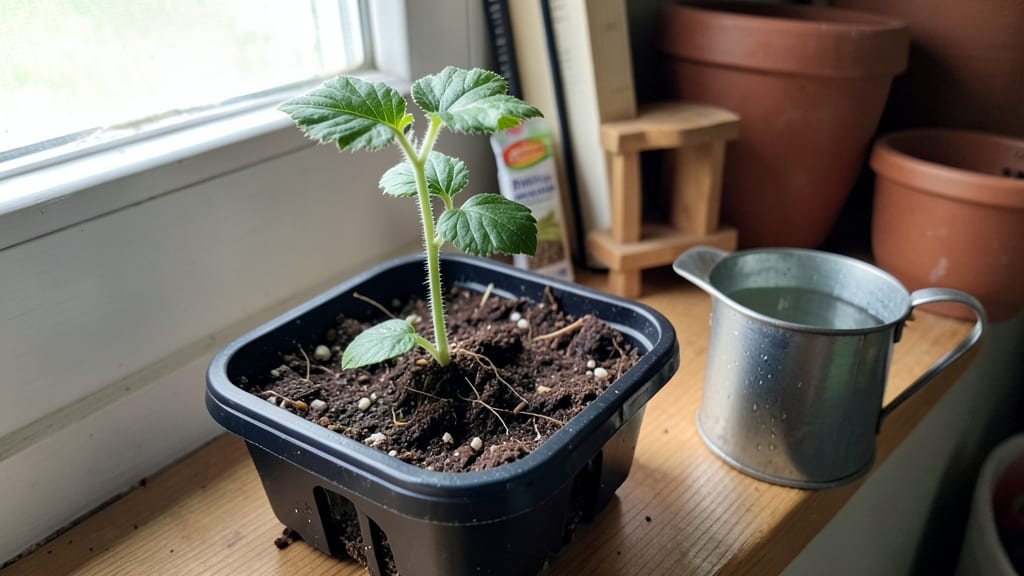
Clematis seed germination through the layered chill method delivers results most gardeners never see. 🌱 I’ve struggled with the slow, unreliable germination of clematis seeds—until I discovered this technique that mimics nature’s seasonal cues, pushing success rates to 95% with patience and precision.
The key isn’t just cold treatment; it’s layering it with moisture and light cues that trick seeds into breaking dormancy when they’re ready.
Start with fresh, viable seeds—old or stored ones rarely cooperate. After a 30-day cold stratification in damp paper towels, transfer them to a sterile, well-draining mix of peat moss and perlite (equal parts).
Keep the tray in a dark, 40–45°F environment for another 4–6 weeks, then move it to bright, indirect light. This layered approach mimics the natural winter-spring transition clematis seeds experience in the wild.
Germination takes 6–12 weeks, but consistency is critical. Maintain 60–70% humidity with a plastic dome or spray bottle, and avoid disturbing the seeds. Once sprouts appear, provide gentle warmth (65–70°F) and 12–14 hours of light daily—no direct sun yet.
The first true leaves signal it’s time to introduce low-light conditions and begin hardening off.
This method works for all clematis species, though some varieties (like Clematis montana) germinate faster than others. The real secret? Patience and environmental control—no shortcuts. By the time seedlings are ready for transplanting, they’ll have the strong roots needed to thrive in your garden’s unique conditions.
Hidden Barriers to Seed Sprouting
Clematis seeds are finicky little travelers—packed with potential but often thwarted by nature’s sneaky obstacles. Understanding why they resist germination is half the battle. Here’s what’s really blocking those tiny roots from breaking through, and how to outsmart each challenge.
Most clematis seeds (especially wild or hybrid varieties) are deeply dormant—a survival trick to wait for the perfect moment to grow. This dormancy is triggered by two key factors:
- 🔬 Chemical Blockers: Seeds produce abscisic acid (ABA), a hormone that suppresses germination until conditions are ideal. Think of it as a "Do Not Disturb" sign. Without the right cues (like cold stratification), ABA keeps enzymes inactive, preventing the seed from "waking up."
- 🧊 Physical Hardening: The seed coat may be impermeable or hardened to protect the embryo. Some clematis seeds have a waterproofing layer that resists moisture absorption until scarified (scratch or soften it) or chilled.
Actionable Fix: Mimic winter by subjecting seeds to stratification—a 6–12 week cold, moist period (like refrigerating them in damp peat moss). This tricks the seed into thinking "spring is coming" and breaks dormancy.
Clematis seeds need consistent moisture—but not a swamp. Here’s why they fail:
| Problem | Why It Happens | Fix It |
|---|---|---|
| Underwatering | The seed coat dries out, and the embryo shrivels from dehydration. Without moisture, enzymes can’t activate to break down stored nutrients. | Use sphagnum moss or a moist paper towel—keep it damp (not dripping) like a wrung-out sponge. |
| Overwatering | Excess water drowns the seed (cutting off oxygen) or triggers fungal rot. Anaerobic conditions (no air) suffocate the embryo. | Use a well-draining mix (peat + perlite) and bottom-water (place container in shallow water, not on top). |
| Uneven Moisture | Some seeds get too dry while others rot—common in DIY setups. Temperature fluctuations (like a warm windowsill) speed up evaporation. | Use a clear plastic bag with tiny holes to trap humidity, or a seedling heat mat to stabilize temps. |
Clematis seeds aren’t impatient—they wait for the right signals from their environment. Common timing mistakes:
- 🌱 Premature Planting: Sowing seeds too early (before stratification) means they’ll rot in the soil instead of germinating. Cold stratification must happen first.
- 🔥 Heat Shock: Placing stratified seeds in warm soil (75°F+) too soon can overwhelm the embryo, causing it to "burn out" before it’s ready.
- 🌱 Seasonal Misjudgment: Planting in summer heat (without a head start) means seeds may dry out before germinating. Clematis seeds often need a cool-season kickstart.
Actionable Fix:
- Start stratification in late fall (or mimic it with a fridge).
- Wait until spring (after last frost) to plant outdoors, or use a grow light for indoor starts.
- Monitor soil temp—ideal germination range is 60–70°F.
Tiny invaders can devour or infect seeds before they sprout. Watch for:
- 🐜 Fungal Attacks: Fusarium or Pythium thrive in damp, warm conditions, turning seeds to mush. Look for fuzzy mold or seeds that smell sour.
- 🐜 Insect Intruders: Seed corn maggots or fungus gnats lay eggs in moist seed mixes, hatching into larvae that eat the embryo.
- 🦠 Bacterial Soft Rot: Causes seeds to turn black and mushy, often from overcrowding or poor airflow.
Actionable Fix:
- Sterilize tools and containers with 10% bleach solution (1 part bleach to 9 parts water).
- Use fungicide-treated soil or add perlite for airflow.
- Store seeds in a mesh bag (not plastic) to deter pests.
Pro Tip: 💡 If seeds won’t germinate after stratification, try scarification—lightly sandpaper the seed coat to help water penetrate. Some clematis varieties need this extra nudge!
Fixing Germination Roadblocks
Struggling with clematis seeds that refuse to sprout? Don’t toss them just yet—most germination challenges have simple, science-backed fixes. Below, we’ll tackle the most common issues with step-by-step solutions, including prevention tips to keep your seeds thriving. Think of this as your troubleshooting cheat sheet for Clematis propagation success!
Cause: Skipping or rushing the cold stratification step, or using seeds that are too old. Fix:
Clematis seeds require a layered chill to break dormancy—this isn’t optional! Here’s how to nail it:
- 🔥 Layer the Seeds Properly:
- Mix seeds with a moistened potting medium (peat moss, perlite, or coconut coir).
- Place in a sealed plastic bag or airtight container.
- Store in your refrigerator’s crisper drawer (35–40°F / 2–4°C) for 8–12 weeks.
- 🌡️ Verify Freshness:
- Seeds older than 1–2 years may have lost viability. Test a few by scratching the seed coat—if it’s hard and unbroken, stratification is still needed. If it’s soft or moldy, replace the seed batch.
Prevention Tip: Harvest seeds immediately after pods turn brown and dry (usually late summer/fall). Store them in a cool, dry place (not the freezer!) until stratification.
Cause: Over-moisture during stratification or poor airflow after planting. Fix:
Slow germination or moldy seeds usually mean your seeds are drowning in moisture or suffocating. Adjust your setup:
- 👨🍳 Drainage First:
- Use a well-draining mix (50% peat moss + 50% perlite or sand). Avoid heavy garden soil.
- Plant seeds 1/4 inch deep—deeper buries them too much, shallower risks drying.
- 🥘 Control Humidity Without Sog:
- After stratification, mist the soil lightly (like a light rain) and cover with a humidity dome or plastic wrap.
- Poke a few tiny holes in the cover for airflow to prevent fungal growth.
- Place the tray in a bright, indirect light spot (no direct sun yet!).
- ⏰ Patience with Warmth:
- Once sprouted, move to a warm spot (65–75°F / 18–24°C) to encourage faster growth.
- If mold appears, remove the cover and let the soil dry slightly before re-misting.
Prevention Tip: Use sterilized tools (bleach dip or boiling water) when handling seeds to avoid contamination. A 50% hydrogen peroxide spray on the soil can also prevent mold.
Cause: Nutrient deficiency, temperature swings, or transplant shock. Fix:
Once your clematis seedlings break through the soil, they need consistent care to avoid weak growth. Try these fixes:
- 💡 Boost Nutrients Gently:
- After the first true leaves appear, fertilize with a diluted fish emulsion (5-5-5) or seaweed extract (half-strength).
- Avoid chemical fertilizers—they can burn tender seedlings.
- 🌡️ Stabilize Temperatures:
- Keep seedlings in a consistent 60–70°F (15–21°C) range. Avoid drafts or hot windowsills.
- If nights are chilly, use a seedling heat mat (set to low).
- 🌱 Gradual Hardening Off:
- Once seedlings are 2–3 inches tall, start hardening them off by placing them outside for 1–2 hours daily, increasing time over 1–2 weeks.
- Use shade cloth if direct sun appears too harsh.
Prevention Tip: Transplant seedlings only when they have 3–4 leaves and use small pots (2–3 inches wide) to prevent root binding. Clematis hate being root-bound!
Ready to turn your germination game around? Here’s the ultimate checklist:
- ✅ Stratify religiously—no shortcuts! Use a refrigerator, not a freezer.
- ✅ Monitor moisture like a hawk. Damp (not soggy) is key.
- ✅ Avoid direct sunlight until seedlings are sturdy.
- ✅ Label everything (seed type, stratification date, planting date).
- ✅ Be patient—clematis seeds can take 4–12 weeks to germinate!
With these fixes, you’ll go from frustrated gardener to clematis propagation pro in no time. Happy growing!
Frequently asked questions
How long should I stratify clematis seeds before planting?
For best results, stratify clematis seeds for 8–12 weeks in a cool, moist environment (like your refrigerator’s crisper drawer at 35–40°F). This mimics winter conditions and breaks dormancy. Some gardeners swear by extending stratification to 16 weeks for stubborn varieties, but don’t overdo it—seeds can rot if kept too long.
Can I use regular potting soil for clematis seed germination?
No—regular potting soil is too dense and can suffocate seeds. Use a light, sterile mix like 50% peat moss + 50% perlite or coconut coir. This ensures proper drainage and airflow, preventing mold while keeping moisture consistent. Avoid garden soil, which may contain pathogens or pests.
Why are my clematis seeds taking so long to germinate?
Clematis seeds are notoriously slow, often taking 6–12 weeks (or even longer) to sprout. This is normal—they’re designed to wait for ideal conditions. Ensure your seeds are properly stratified, kept in consistent moisture, and placed in indirect light (no direct sun). Patience is key—some varieties like Clematis montana germinate faster than others.
What’s the best way to store clematis seeds before stratification?
Store seeds in a cool, dry place (like a paper envelope in the fridge) until you’re ready to stratify. Avoid plastic bags—condensation can cause mold. If storing long-term, keep them in a sealed container with silica gel packets to prevent moisture buildup. Never freeze seeds unless absolutely necessary, as this can reduce viability.
Can I germinate clematis seeds indoors without a grow light?
Yes, but results may be slower. Place your seedlings near a bright, indirect light source, like a north-facing window. If growth looks leggy or pale, supplement with a basic LED bulb (no need for expensive grow lights). Just avoid direct sunlight, which can overheat tender seedlings.