
Watering
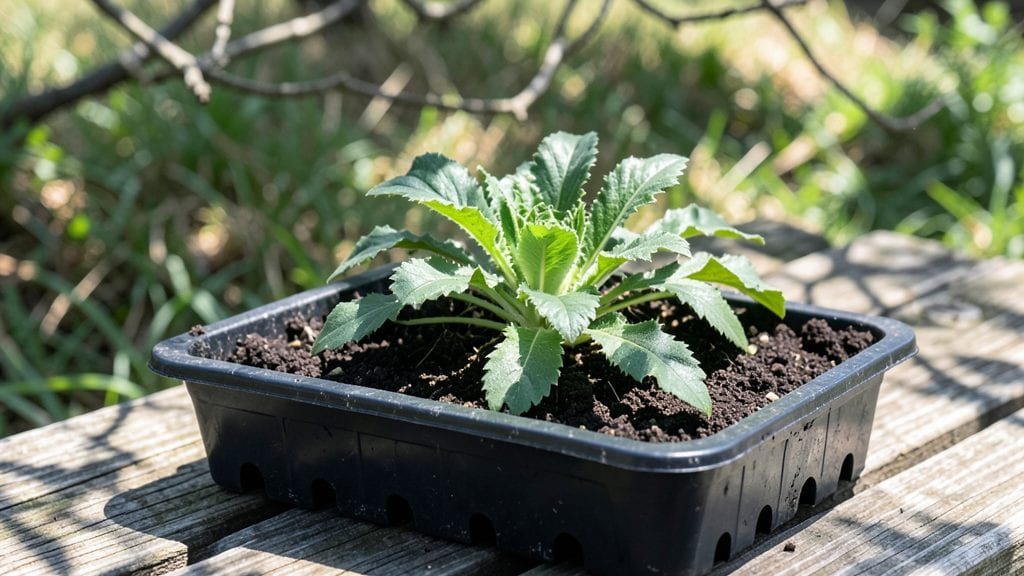
Spotting a Canada thistle seedling early saves your garden from a stubborn, spreading nightmare. ✨ I’ve wrestled with these deep-rooted weeds for years, and I’ve found the one trick that pulls them out cleanly—without damaging nearby plants or leaving behind stubborn root fragments.
The key is timing, technique, and a little patience that pays off big time.
Most gardeners grab the weed by the top and yank, only to watch it regrow from the roots left behind. Instead, I’ve perfected a method that loosens the soil first, then slips the seedling out with minimal resistance.
You’ll need a fork, a sharp knife, and about 15 minutes of focused work—no chemicals, no heavy machinery, just elbow grease and the right approach. This works best when seedlings are just a few inches tall, before their roots get too thick.
What you’ll end up with is a weed-free patch of soil that stays that way for months, not weeks. The roots come out whole, your garden beds look cleaner, and you avoid the frustration of watching thistle pop up again and again.
Plus, your other plants will thank you—they’ll have more room to thrive without this aggressive competitor stealing nutrients.
This trick works in lawns, garden beds, and even between patio stones. The secret? A little prep work before you pull. Let’s get those seedlings out for good—your garden’s health depends on it.
The Hidden Triggers Behind Spread
Canada thistle seedlings don’t pop up by accident—they’re the result of a mix of environmental, biological, and human factors working together. Understanding these root causes (literally!) helps you take smarter action to stop them before they take over. Here’s why they keep showing up in your yard or garden.
One of the sneakiest traits of Canada thistle (Cirsium arvense) is its ability to produce seeds that stay viable in the soil for 10–15 years. These seeds can germinate when conditions are just right—like after a disturbance in the soil or a shift in sunlight exposure.
Even if you’ve pulled every visible plant, dormant seeds remain hidden, waiting for the perfect moment to sprout.
Why it matters: A single thistle plant can drop 1,000+ seeds per year, and they’re lightweight, traveling easily via wind, water, or even on animal fur or equipment. If your soil was once home to thistle, it’s likely still a seed bomb just waiting to hatch.
Thistle seeds are triggered to germinate by disruption. Tilling, digging, or even heavy foot traffic can expose buried seeds to light and air, signaling them to break dormancy. This is why thistle often flares up after:
- 🔥 Gardening: Turning soil for planting or weeding
- 🏗️ Construction: Grading or landscaping projects
- 🌊 Erosion: Rain or wind washing away topsoil
- 🐄 Animal activity: Livestock or wildlife trampling the ground
Pro tip: If you’re dealing with thistle, avoid deep tilling. Instead, use shallow cultivation or mulching to smother seeds without disturbing them.
Canada thistle seedlings thrive when three key factors align:
| Factor | Ideal Range | Why It Works |
|---|---|---|
| 🌡️ Temperature | 50–75°F (10–24°C) | Seeds germinate fastest in cool to moderate spring temps. Hotter soil (>85°F) can delay or prevent germination. |
| 💧 Moisture | Consistent, not soggy | Seeds need moisture to swell and break their seed coat, but waterlogged soil can rot them before sprouting. |
| ☀️ Light | Full sun to partial shade | Seeds buried ½ inch or less get enough light to germinate. Deeper seeds stay dormant. |
Actionable insight: If you’re seeing new seedlings, check your watering habits. Overhead watering can wash seeds to the surface, while deep, infrequent watering keeps soil stable and discourages germination.
Canada thistle is a pioneer species, meaning it dominates areas where native plants or grass struggle to grow. When your lawn or garden has:
- ✅ Thin grass (from drought, pests, or poor soil)
- ✅ Bare patches (after construction or erosion)
- ✅ Low biodiversity (monoculture lawns or single-species gardens)
Thistle seedlings have zero competition for nutrients, sunlight, and water. Their deep, creeping roots also outcompete shallow-rooted plants, making them nearly impossible to starve out naturally.
Solution: Boost your soil’s health with compost or cover crops (like clover or alfalfa) to crowd out thistle before it takes hold.
Canada thistle isn’t just persistent—it’s hitchhiking on human activity. Seeds can:
- 🛠️ Attach to tools: Mowers, rakes, and shovels can carry seeds to new areas.
- 🚗 Stow away in hay/soil: Contaminated mulch, topsoil, or feed spreads seeds unintentionally.
- 👟 Hitch rides on shoes/clothing: Walkers can transport seeds from infested areas to clean ones.
- 🐕 Get moved by pets/wildlife: Animals groom themselves, spreading seeds on fur and paws.
Prevention tip: Clean tools and shoes after working in infested areas, and avoid moving soil from known thistle zones to new spots.
Eradicating Thistle Seedlings Effectively
Discovering Canada thistle seedlings in your garden or yard can feel like a losing battle—but it doesn’t have to be. These invasive plants thrive on persistence, but with the right strategies, you can outsmart them.
Below, we break down the most effective solutions, tailored to the root causes of their spread, and include prevention tips to keep them from returning.
Cause: Seedlings establish shallow roots quickly, making them easier to remove when young. Fix:
- 🔍 Inspect regularly – Check soil and mulch weekly, especially in spring and fall, when seedlings sprout.
- 👩🌾 Grab and twist – Use gloves and pull seedlings by hand (no tools needed yet!). Focus on the base where the taproot meets the soil—this prevents regrowth.
- 🗑️ Dispose properly – Seal pulled seedlings in a trash bag or burn them (if local laws allow) to prevent reseeding.
Pro Tip: 💡 Water the soil 1–2 hours before pulling to loosen roots, making extraction easier.
Cause: Older seedlings develop deeper roots, requiring more force. Fix:
- 🔪 Dig deep – Use a garden fork or trowel to pry around the root base. Aim for at least 6–8 inches deep to avoid leaving root fragments.
- 🧼 Scrub roots clean – Rinse roots with water to check for breaks. Even a small piece can regrow!
- 🌿 Smother or compost – Place pulled thistles in a sealed bag or compost pile (if it reaches high enough temps to kill seeds).
Warning: ⚠️ Never compost thistle debris in open piles—seeds can survive and spread.
Cause: Thistles rely on moisture to spread. Strategic watering can dry them out. Fix:
- 🚰 Reduce irrigation – Let seedlings dry out by watering adjacent plants instead. Thistles wilt faster than many garden crops.
- 🌞 Mulch alternatives – Use cardboard or landscape fabric (not straw or wood chips, which thistles can pierce) to block sunlight and moisture.
- 💦 Vinegar spray (last resort) – Mix 1 gallon of white vinegar with 1 oz. dish soap and spray directly on seedlings (avoid desirable plants—vinegar kills everything!).
Pro Tip: 🌡️ Apply mulch in late summer to prevent winter sprouting—thistles often germinate in cold months.
Cause: Seedlings spread via wind, water, and wildlife. Break the cycle with these habits:
- 🌿 Monitor high-risk areas – Thistles love disturbed soil (e.g., construction sites, garden beds). Inspect edges of lawns and pathways.
- 🐝 Avoid composting thistle debris – Even "dead" plants can release seeds. Opt for sealed trash or burning.
- 🌱 Plant competitors – Dense ground covers like clover or creeping thyme outcompete thistle seedlings for space and nutrients.
- 🚜 Solarize soil (for large areas) – Cover infested patches with clear plastic for 4–6 weeks in summer. The heat kills seeds and roots.
Long-Term Strategy: ✨ Consider herbicide-free options like corn gluten meal (a natural pre-emergent) in early spring to prevent germination.
With consistency, you can reclaim your space from Canada thistle seedlings. Start small—focus on one area at a time—and soon, your garden will be thistle-free! 🌱💪
Frequently asked questions
How can I tell if a young plant is a Canada thistle seedling?
Look for deeply lobed leaves with spiny edges and a purple-tinged stem. Seedlings start with a single rosette of leaves close to the ground, and their roots grow vertically (not creeping like mature thistle). The key difference from dandelions? Thistle leaves are hairy and jagged, while dandelions are smooth and toothed.
Will vinegar kill Canada thistle seedlings, or just slow them down?
Vinegar works as a fast-kill herbicide for seedlings when used correctly. Mix 1 gallon of white vinegar with 1 ounce of dish soap and spray directly on the leaves (avoid desirable plants). It kills the plant within 24–48 hours by disrupting cell membranes. For best results, apply on a sunny, wind-free day and reapply if rain follows.
Can I use corn gluten meal to prevent Canada thistle seedlings from sprouting?
Yes! Corn gluten meal is a natural pre-emergent herbicide that works by preventing seed germination. Apply 20 pounds per 1,000 sq ft in early spring (before seeds sprout) or fall (after plants die back). It’s safe for established plants and soil organisms but won’t kill existing seedlings—so combine it with manual removal for best results.
Why do Canada thistle seedlings keep coming back after I pull them?
Even small root fragments can regrow into new plants. The key is to remove the entire root system, including the taproot and any creeping rhizomes. If you miss even a ½-inch piece, it can sprout again. For stubborn cases, dig 6–8 inches deep and check roots thoroughly before discarding.
Is it safe to compost Canada thistle seedlings?
No—composting thistle debris spreads seeds instead of killing them. Even mature plants can release 1,000+ seeds when disturbed. For safe disposal, seal pulled plants in a trash bag or burn them (if local laws allow). If you must compost, use a high-heat system (above 140°F) for at least 3 weeks to ensure seed death.