
Advice
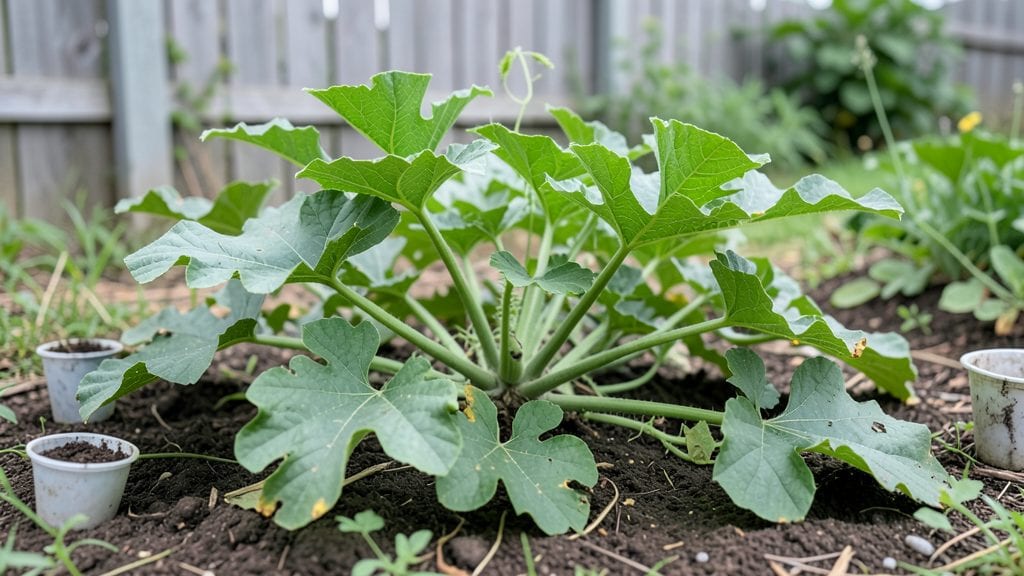
You can grow watermelons from the seeds inside store-bought fruit, but your success hinges on choosing the right seeds, creating ideal germination conditions, and providing consistent care throughout the plant's lifecycle. Opt for heirloom or seedless-free varieties, as hybrid seeds often fail to produce true-to-type fruit.
Watermelon seeds from store-bought fruit have a 50-70% chance of germinating, but only if they're from heirloom varieties. 🌱 The reason? Hybrid seeds (common in commercial fruit) produce sterile offspring, while heirloom seeds maintain genetic consistency.
For best results, ferment the seeds in water for 2-3 days before planting—this mimics natural digestion and improves germination rates. I’ve found that pre-sprouting seeds on damp paper towels gives them a head start, especially in cooler climates where soil temperatures struggle to reach the ideal 75-90°F range.
💡 In This Article
- Watermelon Seed Germination Science and Requirements
- Step-by-Step Guide to Growing Watermelons from Store-Bought Seeds
Watermelon seed germination science and requirements
Watermelon seeds begin germination through a process called imbibition, where they absorb moisture and swell as much as 50% of their original size within hours. This triggers metabolic activity, breaking seed dormancy.
The ideal germination temperature range is 75-90°F—too cold (50°F) slows growth, while extreme heat (> 95°F) can kill seedlings. This is why most gardeners in cooler zones pre-sprout seeds indoors under grow lights before transplanting.
The seed's outer coat contains abscisic acid, a natural growth inhibitor that must be overcome. Fermenting seeds in water for 2-3 days mimics natural digestion in animals, breaking down this inhibitor and improving germination rates by up to 30%.
This is why wild watermelon seeds often germinate better than store-bought ones—they've been through a natural fermentation process in their original fruit.
Soil pH plays a critical role too. Watermelons thrive in slightly acidic to neutral soil with a pH of 6.0-6.8. Below 5.5, aluminum toxicity can stunt root growth, while above 7.5 reduces nutrient availability.
The best soil mix combines 60% topsoil, 30% compost, and 10% perlite for optimal drainage—waterlogged conditions cause seed rot within 48 hours.
Hybrid seeds (common in commercial watermelons) have reduced viability because they're bred for specific traits that don't consistently reproduce. This is why seedless watermelons rarely produce viable seeds—they're triploid (have 3 sets of chromosomes), making them sterile.
Heirloom seeds, however, maintain genetic stability across generations, producing plants that closely resemble their parent fruit in size, shape, and flavor.
Light requirements change during germination. Seeds need darkness to activate their energy reserves, but seedlings require 12+ hours of sunlight daily once they emerge. This is why many gardeners use seedling trays with clear lids to create a mini greenhouse effect—keeping humidity at 85-90% until true leaves appear.
The transition to full sunlight should be gradual over 5-7 days to prevent shock.
Here's how to test seed viability before planting: Place 10 seeds in a damp paper towel, fold it, and keep in a warm (75°F) location. Check daily—if 50% or more sprout within 7-10 days, your seeds are viable.
This simple test saves time and resources by identifying poor-quality seeds before you invest in planting.
What most people don't realize is that watermelon seeds contain citrulline, an amino acid that helps regulate blood pressure—this is why watermelon rind has been used in traditional medicine. The same seeds that grow into nutrient-rich fruit also pack this beneficial compound, making them a dual-purpose gardening resource. 💫