
Diseases
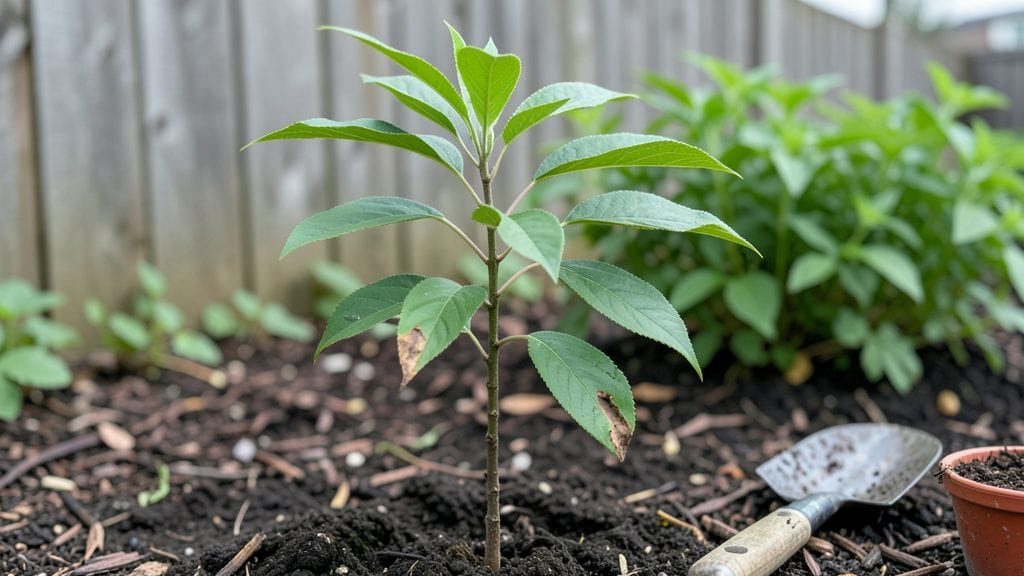
You can grow a peach tree from a peach seed, but the results are unpredictable—seedlings rarely produce fruit matching the parent tree. Germination requires 2-4 weeks in warm, moist soil, though fruit production may take 5-7 years (or never happen). Success depends on patience and ideal growing conditions.
Peach seeds undergo a natural process called stratification, where cold moisture breaks their dormancy before sprouting. 🌱 Most seeds need 60-90 days of cold treatment to germinate properly, which explains why indoor attempts often fail.
Even with successful germination, genetic variability means your tree might yield tiny, tart fruit—or none at all. I’ve seen seedlings grow into beautiful trees with no peaches, which is why many gardeners prefer grafting known varieties onto seedling rootstocks for predictable results.
If you’re determined to try, start by planting seeds in well-draining soil at 60-70°F and keep them consistently moist. Transplant seedlings outdoors only after they’ve developed 3-4 true leaves and nighttime temperatures stay above 50°F.
Remember, peach trees are finicky—they need full sun, 6-8 hours daily, and regular pruning to shape their structure. 🌳 The real payoff comes when you consider the adventure of nurturing something from a single seed, even if the fruit isn’t what you expected.
💡 In This Article
- Peach Seed Germination Process and Survival Challenges
- Best Practices for Peach Seedling Care and Cultivation
Peach seed germination process and survival challenges
The journey from peach seed to tree begins with stratification, a natural process where seeds experience cold, moist conditions to break dormancy. Peach seeds contain a hard outer shell that blocks water absorption, and their embryos require 60-90 days of temperatures between 35-45°F to soften.
This mimics winter's natural cycle, where seeds buried in soil gradually prepare for spring germination. Without this cold treatment, seeds often rot or remain dormant indefinitely. 🌱
Once stratified, seeds need well-draining soil with a pH between 6.0-7.0 and consistent moisture at 70-80°F to germinate. Plant seeds ½ inch deep in a mix of 50% peat moss and 50% perlite to prevent fungal growth.
Light plays a crucial role too—seeds need indirect sunlight during germination, as direct exposure can overheat the soil and kill delicate sprouts. The first signs of life appear as a 1-inch radicle (root) followed by a cotyledon (seed leaf) within 2-4 weeks.
Here's where things get tricky: genetic variability. Peach trees are heterozygous, meaning each seed carries a unique combination of traits from its parents. While some seedlings may inherit disease resistance, others could develop weak branches or poor fruit quality.
I've seen seedlings grow into trees with tiny, mealy fruit or even no fruit at all—this is why commercial orchards use grafted trees instead.
The odds of getting a fruit-worthy tree from a seed are roughly 1 in 100, making this more of a botanical experiment than a reliable fruit source. 🌳
Survival challenges multiply as seedlings grow. Peach trees are susceptible to root rot from overwatering and fire blight (a bacterial disease causing blackened branches). Pests like aphids and peach tree borers also target young trees.
Even with perfect care, environmental stressors like late frosts or drought can kill seedlings before they reach 2 feet tall. The first 3 years are particularly vulnerable, as roots establish but the tree lacks energy reserves to fight stress.
What most people don't realize is how light exposure affects early growth. Seedlings need 6-8 hours of sunlight daily to develop strong stems, but too much direct sun can scorch tender leaves. I've found shading with 50% shade cloth during the first 2 weeks after transplanting helps them acclimate.
The real test comes in winter—peach trees need 200-400 chill hours (temperatures 32-45°F) to set fruit properly. Without enough cold, trees may flower but drop blossoms without fruiting. ❄️
For those willing to take the gamble, the rewards can be surprising. I once grew a seedling that produced golden, late-season peaches with exceptional flavor—far better than store-bought varieties.
The key is treating it as a long-term project: expect 5-7 years before potential fruit, and be prepared for the possibility of no harvest at all. Even failed attempts teach valuable lessons about soil, climate, and plant genetics that improve future gardening efforts.