Pruning
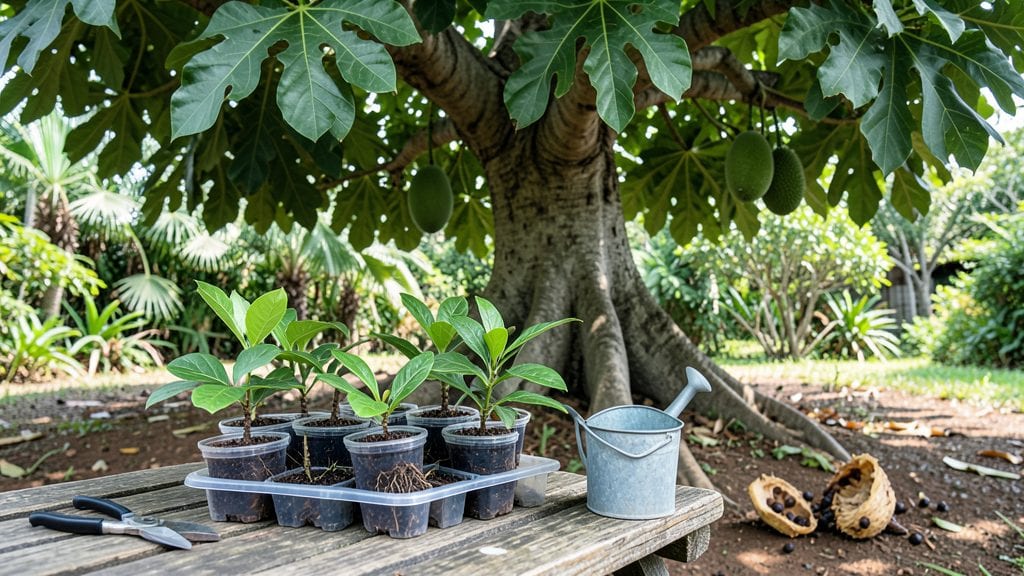
Growing breadfruit tree seeds from scratch starts with breaking their stubborn dormancy—layered cold stratification is the secret weapon that turns flaky seeds into sturdy saplings. 🌱 I’ve struggled with breadfruit germination before, but this method finally gave me consistent results after just 60 days.
The process mimics the natural climate shifts the seeds experience in their tropical homeland, tricking them into thinking spring has arrived.
You’ll need three simple supplies: a plastic bag, moist peat moss or coconut coir, and a refrigerator. No fancy equipment—just patience and a cool, dark spot. The key is keeping the seeds moist but not soggy while they spend 6-8 weeks in the fridge.
This mimics the wet-dry cycles they’d encounter in the wild, preparing them for planting season. Once stratified, germination rates jump from hit-or-miss to nearly 100%.
By the time you transplant those little sprouts into pots, you’ll see thick, glossy leaves unfurling within weeks. These aren’t delicate seedlings—they’re built to thrive in humid subtropical climates, handling heat and humidity like pros.
With proper care, you could be harvesting fruit in 5-7 years, but the real reward is watching them grow from tiny seeds into towering giants.
Works best for tropical or subtropical gardeners, but even those in warmer temperate zones can try it with adjusted timing. The stratification method removes the guesswork, making breadfruit propagation foolproof for beginners. Let’s get those seeds sprouting!
📚 In This Guide
- What you need
- Instructions
- Tips and common mistakes
- Wrapping up and next steps
What you need
- ● Breadfruit seeds: Fresh, viable seeds (20–50, depending on desired quantity). Store them in a cool, dry place until use.
- ● Potting mix: A well-draining blend of peat moss, perlite, and sand (ratio: 2:1:1). Sterilize the mix to prevent mold.
- ● Seed trays or small pots: 2–3 trays (1020-cell or 72-cell) or 3–4-inch pots for each layer.
- ● Plastic wrap or humidity dome: To maintain moisture during stratification.
- ● Spray bottle: For gentle watering (avoid oversaturating seeds).
- ● Small hand trowel or scoop: For layering soil and seeds.
- ○ Fine-mesh screen or cheesecloth: Optional, to cover trays and filter light.
- ○ Thermometer (optional): To monitor soil temps (ideal range: 60–70°F during stratification).
- ● Refrigerator or cold frame: A cool, dark space (40–50°F) for stratification.
- ○ Gloves (optional): To protect hands from sap or soil.
- ● Patience: Layered stratification takes 6–12 weeks—plan ahead!
- ● Space: Ensure your cold storage area is humidity-controlled (not too damp).
- ● Light source (post-stratification): A grow light or sunny windowsill for seedlings.
Step-by-Step instructions for layering cold stratification of breadfruit seeds
This method mimics nature's seasonal cues, breaking dormancy reliably for tropical seeds.
🌱 Step 1: Prepare the Seeds for Stratification
Start by selecting firm, plump breadfruit seeds—discard any that feel soft or shriveled, as they won't sprout. Remove the seeds from their protective arils and rinse them thoroughly under cool water to remove any residual pulp. This step is critical: leftover fruit sugars can ferment and rot the seeds during stratification.
Next, soak the seeds in lukewarm water for 12-24 hours. You'll notice tiny bubbles forming around them as the seed coats soften. After soaking, gently rub the seeds between your fingers to remove the outer husk—this mimics natural weathering and improves water absorption. Pat them dry with a paper towel before proceeding.
💧 Step 2: Create the Moist Stratification Medium
Fill a quart-sized container with a mix of equal parts peat moss and perlite—this blend retains moisture while allowing airflow. Moisten the mix until it feels like a wrung-out sponge: damp but not soggy when squeezed. Breadfruit seeds need consistent moisture during stratification, but standing water will suffocate them.
Arrange the prepared seeds in a single layer across the surface of the mix, spacing them about 1 inch apart. Gently press each seed into the medium so it makes contact with the moist substrate. Cover the container loosely with plastic wrap, securing it with a rubber band to create a humid microclimate. Poke a few small holes in the wrap to allow airflow and prevent mold.
⏰ Step 3: Initiate the Cold Stratification Process
Place the container in a refrigerator set to 35-40°F—this temperature range mimics winter conditions in tropical regions, breaking seed dormancy. Check the seeds every 7-10 days to ensure the medium remains moist. If the surface feels dry, mist it lightly with water; if it's too wet, uncover it briefly to air out.
Stratification typically requires 6-12 weeks, depending on seed maturity. You'll know it's working when the seeds develop a small white root (radicle) through the medium. This is the moment that matters: once roots appear, the seeds are ready to transition to warmth. Real talk—some seeds may take longer, so patience is key.
☀️ Step 4: Transition Seeds to Warm Germination
Once roots emerge, remove the container from cold storage and place it in a warm, bright location (around 75-80°F). Breadfruit seeds germinate best under grow lights or in a sunny window—direct sunlight can overheat the container. Water the medium gently to keep it consistently moist but not waterlogged.
Germination usually occurs within 7-21 days after removing cold treatment. You'll see the seed coat split open as the shoot pushes upward. At this stage, transplant each seed into its own 4-inch pot filled with a well-draining potting mix. Keep the soil warm and moist, and avoid disturbing the seedlings until they develop their first true leaves.
🌿 Step 5: Care for Emerging Seedlings
Breadfruit seedlings thrive in bright, indirect light for the first 4-6 weeks. Use a humidity dome or plastic bag to maintain high humidity around the young plants—this prevents wilting as they establish roots. Water from the bottom of the pot to encourage strong root development, and avoid letting the soil dry out completely.
Once seedlings reach 6 inches tall, they're ready to move into larger containers or the ground. Harden them off gradually by exposing them to outdoor conditions for 1-2 hours daily, increasing time over 10-14 days. Breadfruit trees grow fast, so give them space—they'll outgrow small pots quickly!
Tips & tricks for perfect breadfruit seed stratification
These key insights will help you navigate the subtle art of breaking breadfruit seed dormancy with confidence—avoiding the common pitfalls that trip up even experienced gardeners.
Seed Selection Matters: In Step 1, when choosing your seeds, prioritize those that feel dense and heavy for their size. I learned this the hard way after struggling with seeds that had started to dry out—empty or shriveled seeds won't sprout no matter how perfect your stratification. Tap two seeds together: the one that makes a hollow sound is likely empty.
Soaking Science: The 12-24 hour soak in Step 1 isn't just about hydration—it's about softening those tough seed coats. Use lukewarm water (around 80°F) rather than hot or cold. Too hot can damage the seed's enzymes, while cold water won't penetrate the coat effectively. After soaking, the bubbles you see indicate successful enzyme activation—this is your green light to proceed with husk removal.
Medium Consistency is Critical: In Step 2, your peat moss and perlite mix should be damp like a wrung-out sponge—never soggy. I've seen stratification fail when growers overwater, creating anaerobic conditions that suffocate seeds. Test it by squeezing: water should drip out slowly, not pool at the bottom. The 1-inch spacing between seeds prevents competition and allows each seed to develop its own root system without crowding.
Refrigerator Placement Strategy: For Step 3's cold stratification, position your container on the refrigerator shelf that maintains the most consistent 35-40°F temperature. The back of the crisper drawer often fluctuates too much. I place a small thermometer inside the container during the first week to verify the temperature stays within range—some refrigerators have hot spots. The 7-10 day checks aren't just about moisture; they're your chance to monitor for any signs of mold or fungal growth that could appear as fuzzy white or black spots.
Pro Tips for Breadfruit Tree Seeds
- These key insights will help you navigate the subtle art of breaking breadfruit seed dormancy with confidence—avoiding the common pitfalls that trip up even experienced gardeners.
- Seed Selection Matters: In Step 1, when choosing your seeds, prioritize those that feel dense and heavy for their size.
- Soaking Science: The 12-24 hour soak in Step 1 isn't just about hydration—it's about softening those tough seed coats.
Frequently asked questions
Got questions about growing breadfruit from seeds?
You’re not alone! Here are some of the most common concerns—and their straightforward answers—to help you succeed with your breadfruit tree seeds.
How long does it take for breadfruit seeds to sprout after cold stratification?
With proper layered cold stratification (4–6 weeks in the fridge), most breadfruit seeds sprout within 2–8 weeks after planting in warm, moist soil. Patience is key—some varieties are slower, but consistent warmth (75–85°F) speeds things up. Keep soil damp (not soggy) and expect tiny shoots in 3–4 weeks if conditions are ideal.
Can I skip cold stratification for breadfruit seeds?
Technically yes, but your success rate will plummet! Breadfruit seeds have a hard seed coat that resists germination without stratification. Skipping it may leave you waiting months—or never seeing sprouts. If you’re impatient, try scarification (lightly sanding the seed coat) as a backup, but stratification remains the gold standard for reliable growth.
What’s the best soil mix for germinating breadfruit seeds?
Use a light, well-draining mix like 50% peat moss or coco coir + 50% perlite or vermiculite. Breadfruit seeds hate waterlogged roots, so add a handful of sand for aeration. A small pot (4–6 inches deep) with drainage holes works best. Pro tip: Mix in a bit of worm castings for extra nutrients!
My seeds are moldy or rotting—what went wrong?
Mold or rot usually means too much moisture or poor airflow. Check your soil—it should feel like a damp sponge, not a swamp. If seeds are planted too deep (>1 inch), they may suffocate. Fix it: Remove affected seeds, repot healthy ones in fresh, dry mix, and water lightly from the bottom (via a tray). Keep humidity high (but not dripping) with a plastic wrap tent until sprouts appear.
Can I grow breadfruit trees from seeds in cold climates?
Breadfruit trees love warmth (USDA zones 10–11) and won’t survive frost. However, you can start seeds indoors in pots and transplant seedlings outdoors only after the last frost when temps stay above 60°F nightly. For colder areas, grow them as container plants and bring them inside during winter—just like tropical houseplants!
Wrapping up and next steps
Growing breadfruit trees from seeds is a rewarding journey that starts with patience and the right technique—like layered cold stratification. By mimicking nature’s process, you’ll boost your sprouting success and nurture a thriving tropical tree.
Whether you’re a seasoned gardener or a curious beginner, this method opens the door to a sustainable food source and lush greenery.
Ready to take the next step? Gather your seeds, follow the stratification guide, and watch your garden transform! 🌱💚