
Blooming
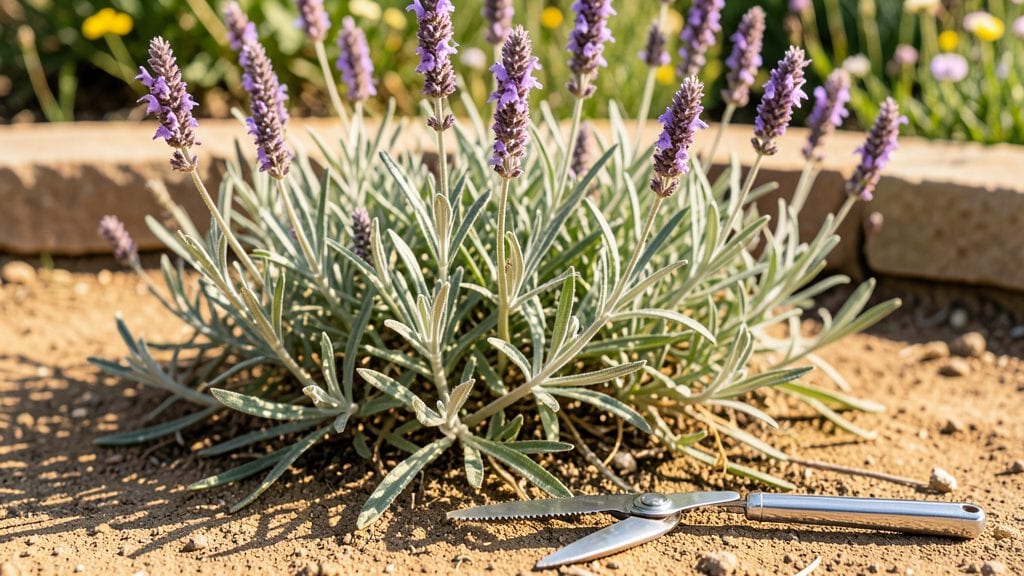
Chia seeds blooming in your garden is a sight that turns heads—those delicate lavender flowers stand out like tiny sky islands against green foliage. 🌿 I’ve grown chia plants for their striking blooms, not just the seeds, and the transformation from plain seeds to fluffy gel to vibrant flowers is nothing short of magical.
Most people stop at the gel stage, but with the right care, you’ll get those fragrant purple blooms too.
The secret lies in patience and the right conditions: chia thrives in full sun, well-draining soil, and consistent moisture without sogginess. Start seeds indoors 8-10 weeks before your last frost, and transplant when soil warms to 60°F.
Once established, watch for those first lavender buds—about 120 days after planting—before they open into star-shaped flowers that hummingbirds adore.
You’ll end up with 3-4 foot tall plants covered in blooms from late summer to fall, each flower lasting just a day but producing new ones daily. The gel comes first, but the blooms?
That’s the real showstopper—delicate, fragrant, and perfect for cutting gardens or pollinator-friendly spaces. Here’s how to coax those flowers out every season.
Works best in zones 5-10, but with winter protection, you can grow chia in cooler climates too. The same plants that give you gel also give you blooms—no need to choose. Let’s get those seeds flowering!
The Science Behind Seed Swelling
When you soak chia seeds and they bloom into a fluffy, gel-like texture, it’s not magic—it’s a fascinating mix of biology, chemistry, and physics working together. Understanding why this happens helps you control the process for perfect results every time.
Let’s break down the key reasons behind chia seed blooming, from the molecular level to practical factors.
Chia seeds are naturally hydrophilic, meaning they love water and absorb it rapidly. Their outer shell contains a high concentration of soluble fibers (like mucilage), which swell when exposed to liquid. Here’s how it works:
- Mucilage Activation: When chia seeds touch water, their mucilage-rich cell walls hydrate instantly, causing the fibers to expand. Think of it like a sponge soaking up liquid—except chia seeds multiply their size by 10 to 12 times!
- Hydrogen Bonding: Water molecules form hydrogen bonds with the hydrophilic polymers in chia seeds, creating a gel-like matrix. This is why chia pudding has that signature tapioca-like texture.
- Cell Wall Expansion: The seed’s primary cell walls (made of cellulose and hemicellulose) loosen as they absorb water, allowing the seed to plump up dramatically.
Pro Tip: 💡 Cold water speeds up blooming because chia seeds absorb liquid faster at lower temperatures. Hot water can denature the mucilage proteins, making the gel weaker.
Chia seeds are packed with soluble fibers (about 10g per ounce!), which are the superstars of the blooming process. The two main types involved are:
| Fiber Type | How It Contributes |
|---|---|
| Mucilage (Gum) | Forms a viscous gel when hydrated, trapping water molecules and creating that signature gelatinous texture. It’s what makes chia pudding so thick and creamy. |
| Pectin | Acts as a binding agent, helping the gel structure hold together. Pectin also interacts with water to form a stable, jelly-like network. |
| Gums (Arabinogalactan) | Enhances water retention and adds to the gel’s elasticity. This is why chia gel doesn’t break down easily, even when refrigerated. |
Fun Fact: 🌡️ The ideal blooming temperature is room temperature (68–75°F). Too hot, and the fibers over-expand and weaken; too cold, and they absorb too slowly.
The blooming process is time-sensitive, and getting the liquid-to-seed ratio right is crucial. Here’s why timing and proportions matter:
- Under-Soaking (Too Little Time):
- Seeds may clump unevenly or stay hard in the center.
- The gel won’t form a smooth, uniform texture.
- Over-Soaking (Too Much Time):
- The gel can break down into a watery slurry.
- Fibers may separate, losing their structural integrity.
- Incorrect Ratios:
- Too little liquid: Seeds won’t fully hydrate, leaving a grainy texture.
- Too much liquid: The gel becomes diluted and loses thickness.
Actionable Tip: ✨ For perfect blooming, use a 1:4 to 1:6 chia-to-water ratio (e.g., 1 tbsp chia seeds to 4–6 tbsp water). Stir well and let sit for 15–30 minutes before mixing again.
Chia seeds contain minerals like magnesium, calcium, and potassium, which play a subtle but important role in blooming:
- Mineral Ions: These act as cross-linkers, helping the gel structure stabilize. For example, calcium ions bind with pectin, making the gel firmer.
- pH Levels:
- Neutral to slightly acidic water (pH 6–7) is ideal for even blooming.
- Alkaline water (pH >8) can break down mucilage, leading to a weaker gel.
- Very acidic liquids (like lemon juice) may slow absorption but can be used intentionally for flavored gels.
Quick Fix: 🎯 If your water is hard (high in minerals), boil and cool it first to reduce mineral interference and get a smoother gel.
Now that you know the science behind chia seed blooming, you can troubleshoot like a pro—whether you’re making pudding, smoothies, or vegan recipes! The next step? Mastering the perfect blooming technique.
Quick fixes for perfect chia gel
Got chia seeds that aren’t blooming as expected? Don’t worry—these practical solutions will help you transform your seeds into fluffy gel every time. Below, we’ve mapped common issues to easy fixes, plus prevention tips to keep your chia seeds blooming like a pro.
Problem: Your chia seeds stay dry or clump unevenly because the liquid ratio is off.
Solution:
- 💧 Use the Right Ratio: For every 1 tablespoon of chia seeds, add 2.5 to 3 tablespoons of liquid (water, almond milk, coconut water, etc.). Too little liquid = dry seeds; too much = a runny mess.
- 🌡️ Warm Up the Liquid: Cold liquids slow absorption. Heat your liquid to room temperature or slightly warm (not boiling!) to speed up the blooming process.
- 🔄 Stir Gently: After adding liquid, stir once to distribute the seeds evenly. Over-stirring can create clumps.
✨ Prevention Tip: If using dairy or plant-based milk, shake the container first—separated fats can interfere with even blooming.
Problem: Your chia gel is slow to form, leaving you waiting longer than expected.
Solution:
- ⏰ Patience (But Not Too Much!): Chia seeds typically bloom in 5–10 minutes, but some varieties (like black chia) may take 15–20 minutes. If it’s been 30+ minutes and nothing’s happening, check your liquid.
- 🔄 Give It a Gentle Mix: If the top layer stays dry, lightly stir after 5 minutes to help the liquid penetrate.
- 🌿 Try a Different Liquid: Water is neutral, but coconut water or citrus juice can speed up hydration due to natural enzymes.
💡 Pro Tip: If you’re short on time, pre-soak seeds in liquid for 10 minutes before adding them to recipes (like pudding or smoothies).
Problem: Your chia gel has a gritty texture instead of a smooth, jelly-like consistency.
Solution:
- 🔪 Grind the Seeds First (Optional): For ultra-smooth gel, lightly grind chia seeds in a coffee grinder or food processor before adding liquid. Note: This changes the texture slightly but eliminates grit.
- 🌊 Use Filtered or Still Water: Chlorine or minerals in tap water can interfere with absorption. Switch to filtered water or spring water if needed.
- 🍋 Add a Little Acid: A splash of lemon juice or apple cider vinegar (1 tsp per cup of liquid) helps break down seed coatings for smoother blooming.
🎯 Prevention Tip: If using chia seeds in baking (like chia jam or muffins), bloom them first in a separate bowl with liquid before mixing into batter.
Problem: Your chia seeds look the same after adding liquid—no gel formation at all.
Solution:
- 🔍 Check Seed Freshness: Old chia seeds (over 6 months) lose their ability to absorb liquid. Test a small batch first—if they don’t bloom, buy fresh seeds.
- 💧 Test Liquid Quality: Hard water or liquids with high sugar content (like soda) can prevent blooming. Stick to pure water, milk, or 100% fruit juice.
- 🔥 Try a Tiny Bit of Heat: If seeds are stubborn, warm the liquid to 100°F (38°C) and let them sit for 5 minutes before stirring.
🌡️ Pro Tip: Store chia seeds in an airtight container in the fridge to preserve freshness for up to 12 months.
Problem: Your chia gel forms but then liquid pools on top or separates after sitting.
Solution:
- 🥄 Use a Thicker Liquid Base: If using milk or juice, reduce sugar content (sweetened drinks can cause separation). Try unsweetened almond milk or coconut milk.
- 🧊 Chill Properly: Let the gel sit undisturbed for 10 minutes after blooming, then refrigerate in a wide, shallow container (not a tall jar) to prevent layering.
- 🍯 Add a Stabilizer (Optional): A ½ tsp of agar-agar or tapioca starch per cup of liquid can help thicken the gel and prevent splitting.
✨ Prevention Tip: For long-term storage, divide chia gel into small portions in airtight containers to avoid separation.
Final Thought: Most chia blooming issues come down to liquid ratio, freshness, or patience. Experiment with small batches to find your perfect mix—once you nail it, you’ll have fluffy, gel-like chia seeds every time! 🌟
Frequently asked questions
How long does it take for chia seeds to fully "bloom" into gel?
Most chia seeds bloom within 5-15 minutes when mixed with liquid. White chia seeds typically bloom faster (5-10 minutes), while darker varieties like black chia may take up to 20 minutes. Stir once after mixing to ensure even hydration—over-stirring can create clumps.
Can I use any liquid to make chia gel, or does it have to be water?
While water works perfectly, you can use plant-based milks, coconut water, or even 100% fruit juice for flavored gels. Avoid sugary drinks or dairy with high fat content, as these can interfere with proper blooming. For best results, stick to liquids with a neutral pH (6-7).
Why did my chia gel turn gritty instead of smooth?
Gritty chia gel usually means the seeds didn't fully hydrate. Try these fixes: use filtered water (chlorine in tap water can interfere), add a splash of lemon juice (1 tsp per cup) to help break down seed coatings, or lightly grind seeds before blooming. For baking, always bloom chia seeds first in a separate bowl.
How do I store bloomed chia gel to keep it fresh?
Store bloomed chia gel in an airtight container in the fridge for up to 5 days. For longer storage, divide into small portions to prevent separation. If the top forms a skin, simply stir before using. Freezing isn't recommended as it can alter the texture.
What's the best chia-to-liquid ratio for perfect blooming?
The ideal ratio is 1 tablespoon chia seeds to 2.5-3 tablespoons liquid (water, milk, or juice). For thicker gels (like pudding), use the lower end (1:2.5 ratio), while thinner gels (for smoothies) work better with 1:3 ratio. Always stir once after mixing and let sit undisturbed.