
Watering
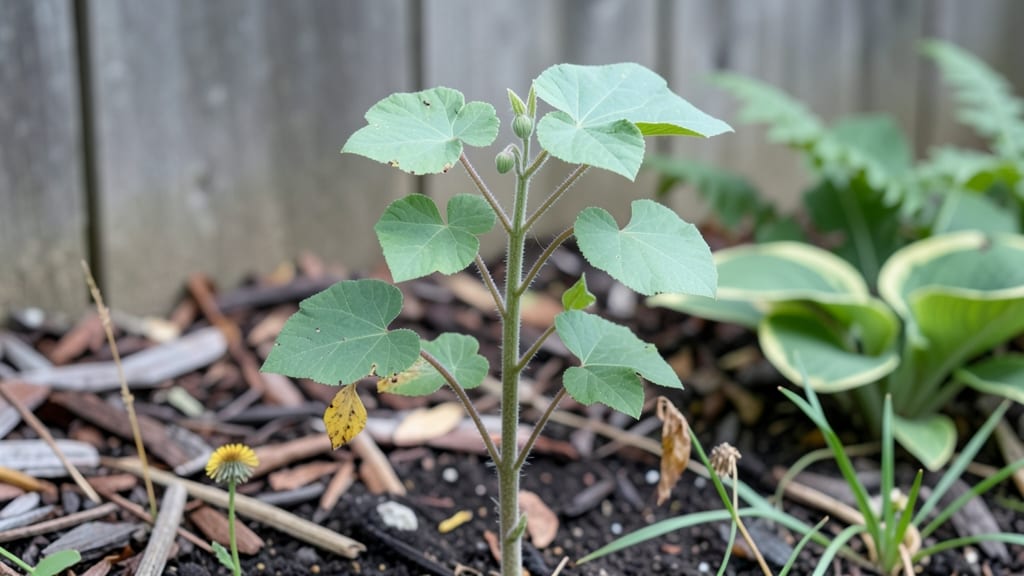
Growing bleeding heart seedlings from seed means mastering moisture—too much drowns them, too little stunts their heart-shaped blooms. 💚 I’ve nursed dozens of these delicate seedlings back from the brink, and the secret lies in a consistently damp (not soggy) environment that mimics their woodland habitat.
The first 6 weeks are the most critical, when tiny roots need steady hydration without drowning.
You’ll need a shallow tray with drainage holes, a mix of 50% peat moss and 50% perlite, and a spray bottle for gentle watering. Seedlings crave bright, indirect light—think filtered sun through sheer curtains—and will stretch toward any window if kept too dark.
The biggest mistake? Letting the soil dry out, which causes the seedlings to wilt faster than you can blink.
Once they’ve sprouted (which can take 3-4 weeks—patience is key), you’ll see those iconic heart-shaped leaves unfurl within 2-3 weeks of germination. By summer, with proper spacing (12-18 inches apart), they’ll reward you with cascading pink or white blooms that last all season.
The trick is keeping the roots moist but never waterlogged.
Leggy seedlings? They’re begging for more light. Yellow leaves? Too much water. Brown edges? Dry soil. Adjust as you go—these plants are fussy but forgiving if you stay consistent. Here’s how to keep them thriving from seed to showstopper blooms.
📚 In This Guide
- What you need
- Instructions
- Tips and common mistakes
- Wrapping up and next steps
What you need
- ● Bleeding heart seedling – 1 (ensure it’s not severely wilted or diseased)
- ● Well-draining potting mix – 2–3 gallons (use a blend of peat moss, perlite, and compost for aeration)
- ● Container or pot – 1 (10–12 inches deep with drainage holes, terracotta or plastic)
- ● Distilled or rainwater – For consistent moisture levels (avoid tap water if high in chlorine)
- ● Spray bottle – 1 (for gentle misting)
- ● Clear plastic bag or humidity dome – 1 (to retain moisture during recovery)
- ● Pruning shears – 1 (sterilized, for trimming damaged foliage)
- ○ pH test kit – Optional (to check soil acidity, ideal range: 6.0–7.0)
- ● Gloves – 1 pair (to protect hands from soil and sap)
- ○ Mulch (optional) – 1 cup (pine bark or shredded leaves to retain moisture)
- ● Fertilizer (balanced, 10-10-10) – 1 small bag (diluted to half-strength for revival)
- ● Grow lights or sunny windowsill – For indirect light (bleeding hearts thrive in partial shade)
Step-by-Step instructions for reviving bleeding heart seedlings
Here’s how to nurse these finicky seedlings back to health—focus on moisture balance and gentle care.
💧 Step 1: Assess the Seedling’s Moisture Needs
Bleeding hearts wilt dramatically when stressed, so first check the soil’s moisture level. Gently press your finger ½ inch deep—if it feels bone-dry, the roots are already struggling. If it’s damp but not soggy, you’ve caught it in time. These seedlings thrive in consistently moist but never waterlogged soil, so aim for a sponge-like texture: squeeze a handful gently, and it should hold together without dripping.
I know it seems counterintuitive, but overwatering is the #1 killer. Bleeding heart roots rot quickly in stagnant moisture. If the soil smells musty or feels cold to the touch, you’ve gone too far. Drain any excess water immediately by placing the pot on a towel-lined tray for 10 minutes to let gravity do the work.
🌱 Step 2: Adjust Watering Routine for Revival
Water deeply but infrequently—once every 5-7 days—until the top 2 inches of soil feel dry. Use room-temperature water to avoid shocking the roots. Pour slowly at the base, avoiding the leaves, until water runs freely from the drainage hole. This mimics natural rainfall and encourages deep root growth.
Here’s the thing—bleeding hearts hate wet foliage. If water pools on the leaves, wipe it away with a dry paper towel to prevent fungal diseases like powdery mildew. You’ll see new signs of life within 7-10 days: fresh, deep green leaves and a slight stiffening of the stems. If no improvement occurs after two weeks, the seedling may be beyond revival.
☀️ Step 3: Optimize Light and Airflow
Place the seedling in bright, indirect light—think dappled sunlight under a tree rather than harsh midday rays. A north- or east-facing window is ideal. Too much direct sun will scorch the delicate foliage, while too little light causes leggy, weak growth. You’ll know the light is right when the leaves stay a vibrant green without yellowing at the edges.
Improve airflow by spacing seedlings 6-8 inches apart if they’re crowded. Poor circulation traps humidity, which invites pests like spider mites. A small oscillating fan on low speed for 10 minutes daily mimics gentle breezes and strengthens stems. Watch for the seedlings to perk up within 3-5 days—they’ll grow more upright and develop a glossy sheen on the leaves.
✂️ Step 4: Prune and Fertilize for Recovery
Trim any mushy, blackened stems with sterilized scissors to encourage new growth. Cut just above a healthy leaf node—this is where fresh shoots will emerge. Avoid pruning more than ⅓ of the plant at once, as bleeding hearts are sensitive to stress. After trimming, water lightly to help the plant recover from the shock.
Wait 2 weeks before fertilizing. Once the seedling shows new growth, apply a balanced, water-soluble fertilizer (10-10-10) at ½ the recommended strength. This gentle boost provides the nutrients needed for revival without overwhelming the plant. You’ll notice stronger stems and more vibrant foliage within 10-14 days of fertilization.
🪴 Step 5: Monitor and Maintain Long-Term Health
Keep the soil evenly moist but never soggy—this is the golden rule for bleeding hearts. Mulch the surface with 1 inch of organic mulch (like shredded bark) to retain moisture and regulate temperature. Avoid piling mulch against the stem, as this can cause rot. Check the soil moisture daily during hot spells, as evaporation increases.
Transplant only when the seedling shows 4-6 new leaves and the roots fill the pot. Choose a location with partial shade and well-draining soil. You’ll know the seedling is thriving when it produces heart-shaped leaves and begins forming flower buds in late spring. Patience is key—bleeding hearts reward careful nurturing with lush, dramatic blooms for years to come.
Tips & tricks for reviving bleeding heart seedlings
A few simple adjustments can make all the difference when rescuing these delicate seedlings.
Soil Texture Test: The sponge-like texture check in Step 1 is your best friend. After watering, squeeze a handful of soil—it should hold together but not drip water. If it crumbles easily, you need to water more frequently. If it feels cold or smells musty, you're overwatering. Remember, bleeding hearts prefer their soil to feel like a wrung-out sponge rather than a swamp. This simple test prevents the #1 killer of these seedlings—root rot.
Watering Precision: When you're following the 5-7 day watering schedule from Step 2, focus on slow, deep watering until it runs freely from the drainage hole. This mimics natural rainfall and encourages deep root growth. I've found that using a watering can with a narrow spout helps direct water precisely to the base without wetting the leaves. This targeted approach prevents fungal diseases and keeps the soil evenly moist without creating soggy pockets.
Light and Airflow Balance: In Step 3, that 10-minute daily fan session isn't just about airflow—it's about creating stronger stems. The gentle breeze mimics natural conditions and helps prevent leggy growth. For seedlings showing signs of stress, move them to a slightly brighter spot (but still indirect) and increase the fan time to 15 minutes. You'll notice the difference within 3-5 days as the seedlings stand taller and develop that healthy glossy sheen.
Fertilizer Timing: The 2-week waiting period before fertilizing in Step 4 is crucial. I've seen many gardeners rush this step and end up shocking the plant. When you do fertilize, use that ½ strength solution—bleeding hearts are sensitive to salt buildup. You can tell you're doing it right when you see new growth appearing within 10-14 days, with leaves that are noticeably deeper green and more vibrant than before.
Pro Tips for Bleeding Heart Seedling
- A few simple adjustments can make all the difference when rescuing these delicate seedlings.
- Soil Texture Test: The sponge-like texture check in Step 1 is your best friend.
- Watering Precision: When you're following the 5-7 day watering schedule from Step 2, focus on slow, deep watering until it runs freely from the drainage hole.
Frequently asked questions
Got questions about reviving your bleeding heart seedling? You’re not alone!
Here are the most common concerns—and straightforward answers—to help you bring those delicate blooms back to life with confidence.
Why is my bleeding heart seedling wilting even after watering?
Wilting can signal overwatering or root stress. These seedlings hate soggy roots—ensure the soil drains well (think terracotta pots or a mix of peat and perlite). Check the top inch of soil before watering; if it’s dry, give it a deep but gentle soak. If roots look mushy, trim the damaged parts and repot in fresh, moist (not wet) soil.
How long does it take for a bleeding heart seedling to recover?
Patience is key! With consistent moisture control (not drowning), you’ll see improvement in 7–14 days. New leaves should emerge within 2–3 weeks, signaling revival. Avoid stressing it further—keep it in partial shade and away from drafts until it stabilizes.
Can I use tap water to revive my bleeding heart seedling?
Yes, but let it sit for 24 hours first to reduce chlorine. For faster results, use room-temperature rainwater or distilled water, which mimics their natural habitat. Avoid cold water—it shocks the roots. Pro tip: Mist the leaves lightly daily to boost humidity while roots recover.
What’s a good alternative if my bleeding heart seedling keeps dying?
If this plant is consistently finicky, try these low-maintenance alternatives with similar charm:
- Japanese Anemone – Thrives in shade and tolerates moisture.
- Astilbe – Loves damp soil and blooms prolifically.
- Hosta – Hardy and forgiving for beginners.
My seedling’s leaves are yellowing—is it too late to save it?
Not necessarily! Yellow leaves often mean overwatering or nutrient deficiency. Trim the yellowed leaves to redirect energy, and fertilize lightly with a balanced 10-10-10 mix. If the stems are still firm, it’s fighting back. If they’re mushy or black, sadly, it’s past saving—but learn from it for next time!
Wrapping up and next steps
Reviving a bleeding heart seedling is all about patience, precision, and the right touch with moisture—no drama required! 🌱 With the right tools and techniques, you can coax these delicate beauties back to life, ensuring lush foliage and stunning blooms for seasons to come.
Your green thumb is closer than you think!
Ready to take the next step? Start by monitoring your seedling’s progress daily—adjust your watering routine as needed, and soon, you’ll be rewarded with vibrant, thriving plants. Happy growing! 🌿