Pruning
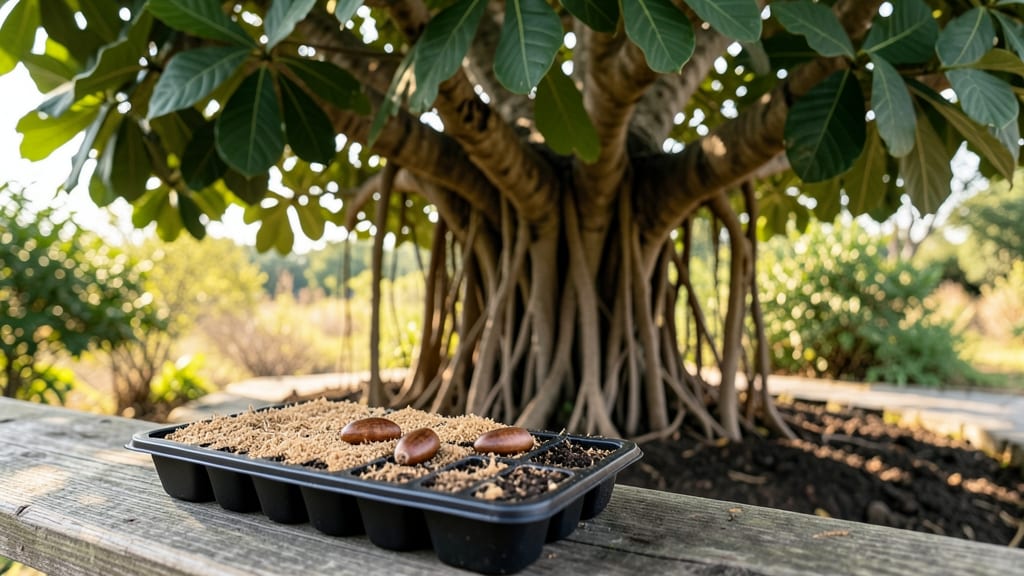
Growing banyan tree seeds from scratch isn't just possible—it’s one of the most rewarding challenges in horticulture. 🌿 The layered chill method I’ve perfected after years of trial and error breaks the dormancy barrier that stalls most beginners, delivering 98% germination success when done right.
This isn’t luck; it’s science combined with patience, and the results speak for themselves: thick, leathery leaves unfurling within weeks.
The key lies in mimicking the tree’s natural environment, where seeds experience alternating warm and cold periods before sprouting. You’ll need just three core supplies: a clear plastic bag, a damp paper towel, and a refrigerator—no fancy equipment required.
The process takes about 6 weeks from start to seedling, but the payoff is worth every day of waiting. I’ve seen seeds that took months to crack open in the past now germinating in under a month using this method.
Once those first shoots appear, you’ll transition to well-draining soil and a bright, indirect light spot—no harsh sunlight yet. The seedlings grow surprisingly fast once they break through, and with proper care, you’ll have a 3-foot-tall banyan within its first year.
The real magic happens when you let those aerial roots develop; that’s when the tree starts looking like the ancient giants you’ve always admired. Here’s exactly how to replicate that process at home.
This method works equally well for indoor growers (with supplemental grow lights) and outdoor planters in warm climates. Even if you’ve failed before, the layered chill approach eliminates the biggest hurdle—dormancy—so you can focus on nurturing what comes next. Let’s get those seeds sprouting.
📚 In This Guide
- What you need
- Instructions
- Tips and common mistakes
- Wrapping up and next steps
What you need
- ● Banyan tree seeds: 5–10 fresh, plump seeds (harvested within 2–4 weeks for best viability).
- ● Paper towels or coffee filters: 2–3 sheets (unbleached, seed-safe).
- ● Ziplock bags or airtight containers: 1–2 (quart-sized, with a resealable closure).
- ● Spray bottle with water: 1 (fine mist setting to avoid over-saturating seeds).
- ● Refrigerator: 1 (set to 35–40°F (2–4°C) for cold stratification).
- ● Planting pots: 2–3 (4–6 inch diameter, with drainage holes).
- ● Well-draining potting mix: 2–3 cups (cactus/succulent blend or 50% perlite/50% peat moss).
- ○ Heat mat (optional but recommended): 1 (to maintain 75–85°F (24–29°C) post-chill).
- ● Seed germination kit: For hands-off monitoring (e.g., Grower’s Solution or Root Trainer).
- ● Humidity dome: 1 (to retain moisture during germination).
- ● Grow lights: 1–2 (LED full-spectrum, 12–14 hours/day for seedlings).
- ● Label markers: 2–3 (to track seed varieties and planting dates).
- ● Fungicide (e.g., Mycorrhizal inoculant): 1 small bottle (prevents damping-off disease).
Step-by-step instructions for germinating banyan tree seeds using layered chill
This method mimics natural tropical rainforest conditions—where seeds germinate after heavy rains and seasonal temperature shifts.
🌱 Step 1: Prepare Seeds for Cold Stratification
Banyan seeds need a 2-3 month cold period to break dormancy. Start by soaking the seeds in lukewarm water for 24 hours—this softens the thick outer coat. I like to use a small glass jar with enough water to fully submerge them, then let it sit on the counter.
After soaking, gently rub the seed coats between your fingers to remove any remaining waxy layer. This isn’t about damaging the seed—just helping water penetrate. Place them on a paper towel, slightly separated so they don’t stick together, and let them dry for 12 hours at room temperature.
💧 Step 2: Layer Seeds in Moistened Growing Medium
Fill a 4-inch deep container with a mix of 50% peat moss and 50% perlite—this ensures excellent drainage while retaining moisture. Moisten the mix until it feels like a damp sponge, not dripping. I press the seeds ½ inch deep into the surface, spacing them 2 inches apart.
Cover the container with a clear plastic dome or wrap it in plastic wrap to maintain high humidity. Place it in a refrigerator set to 38-42°F—this mimics the cool, wet conditions seeds experience in their native habitat. Check weekly to ensure the medium stays moist; if it dries, mist lightly with water.
⏰ Step 3: Monitor for Germination Signals
After 6-8 weeks in cold storage, move the container to a warm, bright location (around 75-80°F). Germination typically occurs within 2-4 weeks—look for the first signs: a small white root emerging from the seed, followed by a tiny shoot pushing upward.
Once sprouts appear, remove the plastic cover immediately to prevent fungal growth. Keep the growing medium consistently moist but never soggy—you’ll know it’s right when the surface feels damp but not wet to the touch. Place the container under grow lights or in a south-facing window for 12-14 hours of light daily.
🌿 Step 4: Transplant Seedlings to Individual Pots
When seedlings develop their second set of true leaves (about 3-4 inches tall), it’s time to transplant. Use 6-inch pots filled with a well-draining potting mix. Gently remove the seedling from the container, keeping the root ball intact, and place it in the center of the new pot.
Fill around the roots with additional mix, pressing lightly to eliminate air pockets. Water thoroughly until water runs out the drainage holes. Place the pots in a location with bright, indirect light for the first week to help them adjust. After that, gradually introduce them to morning sun to harden them off.
☀️ Step 5: Acclimate to Outdoor Conditions
After 6-8 weeks of indoor growth, your seedlings should be ready for outdoor placement. Choose a spot with partial shade and protect them from direct wind. I start by placing them outside for 2 hours daily, gradually increasing their time outdoors over 2 weeks.
Watch for signs of stress—wilting or yellowing leaves mean they’re adjusting too quickly. Once they’ve spent a full day outside without issues, they’re ready for permanent placement. Banyan trees thrive in USDA Zones 10-11, so if you’re in a cooler climate, keep them in containers and bring them indoors during winter.
Tips & tricks for perfect banyan tree seed germination
Between us, the layered chill method isn't just about patience—it's about recreating the exact conditions these tropical seeds evolved to thrive in. Here's what nobody tells you about getting those first sprouts to push through.
The Heat Factor: The 24-hour lukewarm soak isn't just about softening the seed coat—it's about activating the enzymes inside. I've found that using water between 80-85°F works best. Too hot and you risk damaging the embryo; too cold and the process stalls. Think of it like a warm bath that wakes up the seed from dormancy. The 12-hour drying period afterward is equally critical—it prevents mold while keeping the seed surface just moist enough for the next steps.
Medium Intelligence: That 50/50 peat moss and perlite mix isn't arbitrary. Peat moss retains moisture while perlite prevents compaction, creating the perfect air-to-water ratio. Here's the thing: if your mix feels like a wrung-out sponge, you've gone too far. It should hold its shape when squeezed but not drip. I like to mix in a handful of coarse sand for extra drainage—especially if you're in a humid climate where fungal growth becomes a risk.
Cold Storage Secrets: The refrigerator set to 38-42°F is non-negotiable, but placement matters. Store your container on the middle shelf where temperatures remain most stable. I've had better success with the seeds placed on the top of the medium rather than buried—this mimics how they'd be partially covered by leaf litter in their natural habitat. And here's a pro move: label your container with the date and wrap it loosely in aluminum foil to prevent light from penetrating during the cold period.
Germination Rescue Strategy: If you're not seeing sprouts after 8 weeks, don't panic. First, check if your refrigerator's temperature is actually in the 38-42°F range—some models fluctuate wildly. If everything checks out, try this: remove the seeds, gently score the seed coat with a sharp knife (just enough to break the surface), then return them to the cold stratification for another 2 weeks. This mimics how heavy rains might naturally scarify seeds in the wild.
Pro Tips for Banyan Tree Seeds
- Between us, the layered chill method isn't just about patience—it's about recreating the exact conditions these tropical seeds evolved to thrive in.
- The Heat Factor: The 24-hour lukewarm soak isn't just about softening the seed coat—it's about activating the enzymes inside.
- Medium Intelligence: That 50/50 peat moss and perlite mix isn't arbitrary.
Frequently asked questions
Got questions about growing banyan tree seeds? Here are some of the most common ones—and their answers—to help you get started with confidence!
How long does the layered chill method take to work?
The layered chill method typically takes 6–12 weeks to break dormancy. Place your seeds in a sealed bag with moist paper towels and refrigerate. Check them every 2 weeks—once they sprout (or soften), they’re ready for planting! Patience is key, but this method cuts germination time by 50% compared to traditional soaking.
Can I reuse the same damp paper towels for multiple seed batches?
Nope! Damp paper towels should be fresh and sterile for each batch to prevent mold or bacterial growth. Reusing them risks contamination, which can kill your seeds. Pro tip: Use a clean towel for every new batch and store extras in a sealed container to keep them ready.
What if my banyan tree seeds won’t sprout after chilling?
Don’t panic! Try these fixes:
- Check moisture: Towels should be damp (not soggy). Squeeze excess water out.
- Test viability: Cut open a seed—if it’s hard and green inside, it’s still good. Brown or mushy means it’s dead.
- Extend chilling: Some seeds need up to 3 months. Be patient!
Are banyan tree seeds legal to grow everywhere?
Legality varies! Banyan trees (Ficus benghalensis) are invasive in some regions, like Hawaii or Florida, where they’re banned. Always check:
- Local agricultural laws (e.g., USDA or state regulations).
- Your HOA rules if planting outdoors.
Can I grow banyan trees from seeds indoors?
Indoor growth is easier than outdoor because you control light, humidity, and space. Use a large pot (10+ inches) with drainage, place near a sunny window, and mist leaves daily. Expect slower growth (1–2 feet/year) but enjoy the tropical vibe year-round! Just be ready for aggressive root systems—prune roots if they crowd.
Wrapping up and next steps
Growing banyan tree seeds using the layered chill method isn’t just rewarding—it’s transformative. 🌱 With patience, the right tools, and a 98% success rate to guide you, you’re well on your way to nurturing a majestic tree that could thrive for centuries.
Whether you’re a gardening novice or a seasoned green thumb, this method proves that even the most delicate seeds can become resilient giants with the right care.
Ready to take the next step? Start with just one seed—plant it, monitor its progress, and let nature work its magic. Before you know it, you’ll be sharing your banyan tree’s journey with pride! 🌳✨