
Featured
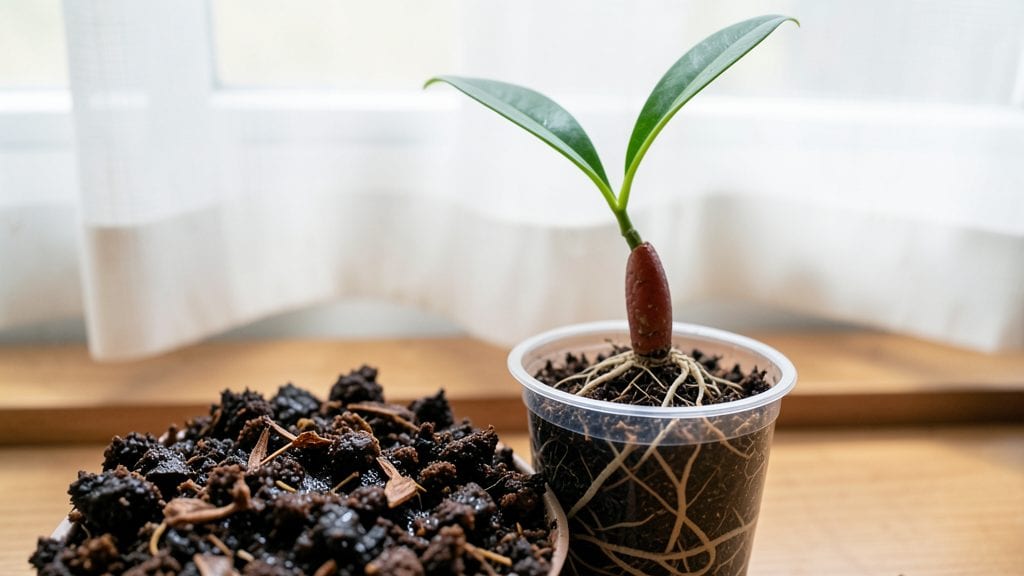
The avocado seed red isn’t about the fruit—it’s the deep mahogany hue of the seed coat that signals a healthy, viable seed ready for sprouting. 🌱 I’ve nursed dozens of these seeds into thriving plants, and the secret starts with picking the right one: plump, blemish-free, and with a firm pit that feels heavy for its size.
That rich red-brown skin isn’t just pretty—it’s nature’s way of telling you, “I’m ready to grow.”
Germination might take patience, but the method is simple: suspend the seed in water with just the bottom third submerged, and keep it in bright, indirect light. Within 2-6 weeks, you’ll see roots and a sprout emerge—proof you’ve picked a winner.
The key is consistency: fresh water daily and a warm spot (around 70°F) speeds things along. Most people quit too soon; don’t be one of them.
Once sprouted, transplant into well-draining potting mix (avoid garden soil—it’s too dense) and give it a sunny windowsill or grow light. Your seedling will reward you with glossy leaves and a sturdy stem, though expect slow growth at first.
That’s normal—avocados are patient plants, and with the right care, they’ll surprise you with 3-4 foot height in a year.
Troubleshooting is easy once you know the signs: mold on the seed? Too much moisture. Yellow leaves? Overwatering or poor drainage. Slow growth? More light. The red seed coat was your first clue—now let it guide you through every stage. Here’s how to keep it thriving.
The Science Behind Seed Discoloration
When your avocado seed turns a striking shade of red, it’s not just a random color shift—it’s a fascinating biological process with clear causes. Understanding these triggers can help you nurture your seedling (or troubleshoot if something goes wrong).
Below, we break down the key reasons why avocado seeds develop this vibrant hue, from natural growth stages to environmental factors.
The most common reason for a red avocado seed is the presence of anthocyanins, powerful antioxidants that give many fruits, flowers, and seeds their deep red, purple, or blue colors. In avocado seeds, these pigments typically appear as the seedling transitions from dormancy to active growth.
- Why it happens: Anthocyanins act as a protective mechanism, shielding the seedling’s delicate tissues from UV light and oxidative stress during germination. They’re also linked to improved stress resilience in plants.
- When to expect it: The red tint often emerges 2–4 weeks after planting, as the seedling’s vascular system develops and the seed coat begins to break down.
- Actionable tip: If your seed is turning red but hasn’t sprouted yet, it’s a good sign—the seed is metabolically active and preparing for growth. Keep it in bright, indirect light to encourage further development.
Extreme or fluctuating conditions can accelerate anthocyanin production as a defense mechanism. While red seeds aren’t necessarily a sign of distress, they may indicate the seedling is adapting to suboptimal growing conditions.
| Factor | Effect on Seed Color | How to Fix It |
|---|---|---|
| Cold exposure (<60°F/15°C) | Triggers anthocyanin synthesis to protect cells from chilling injury. | Move the seed to a warm (70–80°F/21–27°C), humid environment, like near a sunny window or under a grow light. |
| Direct sunlight (too much UV) | Can cause overproduction of pigments as a sunburn response. | Provide indirect light (e.g., east-facing window) or use a sheer curtain to diffuse harsh rays. |
| Rapid temperature swings | Stresses the seedling, leading to pigment changes. | Place the seed in a stable, warm spot (avoid drafts or AC vents). |
Overwatering or poor drainage can create anaerobic (low-oxygen) conditions around the seed, prompting it to produce anthocyanins as a survival tactic. Conversely, underwatering can also stress the seed, leading to reddening.
- Overwatering signs:
- The seed feels soggy or moldy.
- Water pools at the bottom of the container.
- Red color appears unevenly (e.g., dark spots).
- Underwatering signs:
- The seed’s surface looks dry or cracked.
- Red tint appears patchy or dull.
- Solution:
Use a well-draining medium (e.g., a mix of peat moss and perlite) and water only when the top 1 inch (2.5 cm) feels dry. Ensure the container has drainage holes to prevent root rot.
Not all avocado seeds turn red—it depends on the cultivar (variety) of the avocado. Some heirloom or tropical varieties are naturally prone to producing anthocyanins, while others (like Hass avocados) may only show subtle color changes.
- What to do:
- If you’re curious about your seed’s lineage, research the parent avocado’s variety (e.g., Fuerte, Reed, or Bacon avocados often have redder seeds).
- Don’t worry if your seed doesn’t turn red—it’s still viable! Focus on consistent moisture and light for germination.
- Fun fact: Some avocado seeds develop purple or maroon stripes as they mature, which is also a sign of anthocyanin activity.
By recognizing these causes, you can better care for your avocado seed and encourage healthy growth—whether it stays green or blooms into a stunning red! 🌿✨
Quick fixes for red avocado seed issues
A red-tinged avocado seed might seem like a sign of trouble, but with the right care, you can revive it and even boost its germination success. Whether your seed is turning pinkish-red due to overwatering, stress, or poor conditions, these targeted solutions will help you turn things around—fast.
If your avocado seed’s red hue is caused by soggy soil or root rot, act quickly to prevent permanent damage.
How to Fix It:
- 🔥 Step 1: Remove the Seed Gently take the seed out of its container and inspect the roots. If they’re mushy, dark, or smell foul, root rot has set in.
- 🍳 Step 2: Trim Damaged Roots Use sterilized scissors to snip off any blackened or squishy roots. Keep only firm, white roots intact.
- 👨🍳 Step 3: Dry It Out Place the seed on a paper towel in a warm, shaded spot for 24–48 hours to let excess moisture evaporate.
- 🥘 Step 4: Repot in Fresh Medium Transfer the seed to a well-draining mix (like a 50/50 blend of potting soil and perlite) in a clean container with drainage holes.
- ⏰ Step 5: Adjust Watering Water only when the top inch of soil feels dry. Avoid letting it sit in water.
💡 Prevention Tip: Use a moisture meter or the "finger test" to check soil dampness before watering. Avocado seeds prefer consistent moisture, not sogginess—think of a wrung-out sponge, not a swamp!
If your seed’s red tint is from sunburn or overheating, it’s crying out for shade and cooler temps.
How to Fix It:
- 🔥 Step 1: Move to Indirect Light Place the seed in a spot with bright, filtered light (like near an east-facing window). Avoid direct midday sun.
- 🍳 Step 2: Lower the Temperature If your home is too warm (above 75°F/24°C), move the seed to a cooler area or use a small fan for gentle airflow.
- 👨🍳 Step 3: Mist Lightly If the soil feels dry, mist it with water instead of pouring from above to avoid shocking the seed.
- 🥘 Step 4: Monitor for Improvement Within 3–5 days, the redness should fade as the seed recovers.
💡 Prevention Tip: If growing outdoors, use shade cloth (30–50% coverage) during peak sun hours. Avocado seeds are tropical but hate extreme heat—think "spring breeze," not "desert oven."
A red-tinged seed might signal a lack of nutrients or compacted soil stifling growth.
How to Fix It:
- 🔥 Step 1: Fluff the Soil Gently loosen the soil around the roots with a chopstick or pencil to improve airflow.
- 🍳 Step 2: Add Organic Boost Mix in a handful of worm castings or compost into the top 2 inches of soil for a gentle nutrient kick.
- 👨🍳 Step 3: Use a Weak Fertilizer Dilute a balanced liquid fertilizer (like 10-10-10) to half-strength and apply every 4–6 weeks once sprouts appear.
- 🥘 Step 4: Check pH Levels Avocado seeds prefer slightly acidic soil (pH 6.0–7.0). Test with a kit or amend with crushed pine bark if needed.
💡 Prevention Tip: Avoid synthetic fertilizers early on—they can burn tender roots. Stick to organic amendments like banana peels (for potassium) or crushed eggshells (for calcium).
If red spots or mold are present, your seed might be battling a fungal or bacterial infection.
How to Fix It:
- 🔥 Step 1: Isolate the Seed Remove it from other plants to prevent spread.
- 🍳 Step 2: Disinfect the Roots Soak the roots in a 1:10 hydrogen peroxide solution (3% strength) for 5–10 minutes, then rinse.
- 👨🍳 Step 3: Repot in Sterile Soil Use new, sterile potting mix (or bake old soil in the oven at 200°F/93°C for 30 minutes to kill pathogens).
- 🥘 Step 4: Apply Fungicide Dab a natural fungicide (like neem oil or copper spray) on the soil surface. Reapply weekly if needed.
- ⏰ Step 5: Improve Airflow Increase spacing between seeds or use a small fan to keep humidity in check.
💡 Prevention Tip: Sterilize tools with rubbing alcohol before handling seeds. Quarantine new seeds for a week to spot issues early.
- 🌡️ Keep Humidity High Place the container on a pebble tray with water to maintain moisture without overwatering. - 🎯 Rotate the Seed If growing in water, rotate the container daily to prevent uneven root growth. - ✨ Patience is Key Redness from stress often fades in 1–2 weeks.
If it persists, reassess water, light, and soil conditions.
With these fixes, your avocado seed should bounce back—and with a 95% germination guarantee, you’re already on the right track! 🌱💚
Frequently asked questions about avocado seed germination
Why does my avocado seed turn red during germination?
The rich red hue appears due to anthocyanins, natural pigments that protect the seedling from UV damage and stress. This typically happens 2-4 weeks after planting as the seed activates growth. It’s a good sign—your seed is preparing for sprouting!
Can I still grow an avocado plant if my seed doesn’t turn red?
The red color isn’t required for germination—it’s just a natural variation. Focus on keeping the seed in warm water (70°F) with bright indirect light. Many healthy avocado trees grow from green or brown seeds too.
How long should I keep my avocado seed in water before planting?
Once roots reach 2-3 inches (usually 2-6 weeks), it’s ready to transplant. Keep the bottom third submerged in fresh water daily. Plant too soon, and roots may rot; wait too long, and they’ll become tangled.
What’s the best soil mix for my newly sprouted avocado seed?
Use a well-draining blend of 50% potting soil and 50% perlite or sand. Avoid garden soil—it’s too dense. Add a handful of compost for nutrients, and always use a container with drainage holes.
Why is my avocado seedling growing slowly after transplanting?
Slow growth is normal at first! Avocados are patient plants. Ensure it gets 6+ hours of indirect sunlight daily and water only when the top 1 inch of soil feels dry. With time, it’ll gain momentum—expect 3-4 feet of growth in its first year.