
Pests
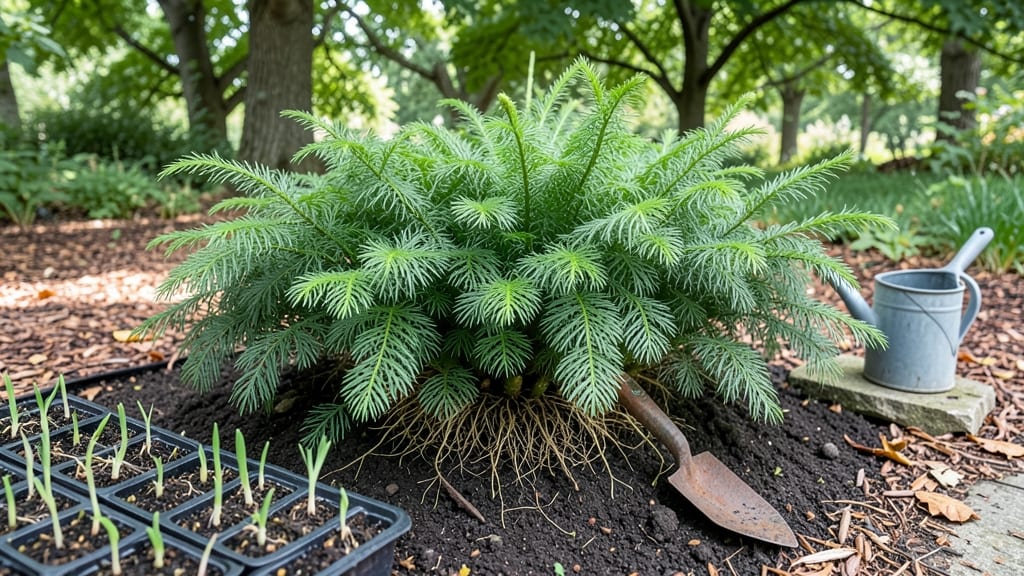
Asparagus seeds out when tiny seedlings sprout all over your garden—like an unwelcome surprise that multiplies overnight. 🌱 I’ve battled this invasive spread for years, and the difference between a contained patch and a jungle of asparagus volunteers comes down to a few key steps taken before planting.
The problem starts with seed dispersal: asparagus plants release thousands of seeds that germinate aggressively, especially in disturbed soil. My first mistake? Skipping the deep tilling that buries seeds below their 1-inch germination depth.
Now I prep the bed by tilling 12+ inches deep, removing any existing asparagus roots, and testing soil pH (aim for 6.5-7.0).
Once planted, mulch heavily with 3-4 inches of straw to block light and suppress weeds—this keeps seedlings from popping up everywhere. Water deeply once a week (not daily) to avoid encouraging shallow root growth, and watch for volunteers. Pull them early, before they establish, or they’ll outcompete your main crop.
Timing matters too: plant crowns in early spring (when soil hits 50°F) or fall (6 weeks before frost) for the best control. In warmer zones, fall planting gives roots time to establish before summer heat stresses them.
The payoff? A tidy patch of spears for years, not a garden takeover.
Root Causes of Unwanted Spread
When your asparagus plants start seeding out uncontrollably, it’s usually a sign that nature—or your garden’s conditions—are pushing them to reproduce aggressively. Understanding the why behind this behavior is the first step to regaining control. Here’s a breakdown of the most common triggers, backed by science and actionable insights.
Asparagus is a perennial crop, meaning it lives for years, but its energy shifts over time. After 3–5 years of harvest, older asparagus crowns prioritize seed production over spears.
This is their biological survival strategy: once a plant senses it’s nearing the end of its productive life, it redirects resources to create seeds for the next generation.
- Science behind it: The plant’s flowering hormones (florigen) increase as crowns age, triggering seed stalk (ferns) development. Older crowns also produce more ethylene gas, a plant stress signal that accelerates reproduction.
- Actionable fix:
- Harvest spears aggressively for the first 2–3 years to delay flowering (this exhausts the plant’s energy, postponing seed production).
- Replace crowns older than 5 years—dig up and compost them to prevent further seeding.
When asparagus roots struggle—due to compacted soil, nutrient deficiencies, or poor drainage—the plant perceives its environment as hostile. In response, it shifts from vegetative growth (spears) to reproductive growth (seeds) as a last-ditch effort to ensure genetic survival.
| Soil Issue | How It Causes Seeding Out | Solution |
|---|---|---|
| Compacted soil | Restricts root oxygen, forcing the plant to prioritize aboveground seed production over underground spear growth. | Amend with compost or sand to improve aeration. Avoid heavy foot traffic near beds. |
| Low phosphorus (P) | Phosphorus fuels root and spear growth; deficiency shifts energy to seed stalks for quick reproduction. | Apply bone meal or rock phosphate (5–10 lbs per 100 sq ft) in early spring. |
| Waterlogged soil | Oxygen deprivation in roots signals stress, prompting seed stalk formation. | Improve drainage with raised beds or gravel. Water deeply but infrequently. |
Asparagus is sensitive to environmental cues that mimic wild conditions, where seeding is a survival tactic. Heatwaves, drought, or even sudden temperature swings can trigger premature flowering and seed production.
- Key stressors:
- Heat stress: Temperatures above 85°F (29°C) for prolonged periods disrupt normal growth cycles, prompting seed stalks.
- Drought: Water scarcity forces the plant to conserve resources, leading to early flowering.
- Daylength changes: Asparagus responds to longer daylight hours (common in late spring) by shifting to reproductive mode.
- Actionable fixes:
- Provide afternoon shade (e.g., shade cloth) during heatwaves to reduce stress.
- Mulch with straw or wood chips (2–3 inches) to retain moisture and regulate soil temp.
- Avoid planting in low-lying areas where cold air pools, causing temperature fluctuations.
When asparagus crowns or roots are attacked by pests (e.g., asparagus beetles, voles, or nematodes) or diseases (e.g., fusarium wilt), the plant’s immune system goes into overdrive. A common response? Accelerated seeding to produce offspring before the parent plant declines.
- Common culprits:
- Asparagus beetles: Larvae chew roots and crowns, disrupting nutrient flow. The plant reacts by sending up seed stalks to reproduce quickly.
- Root rot (fungal/bacterial): Weakens roots, reducing the plant’s ability to support spears, so it shifts to seed production.
- Voles/mice: Gnaw on crowns, causing stress that triggers hormonal changes leading to flowering.
- Prevention tips:
- Apply neem oil or kaolin clay to deter beetles; handpick adults daily.
- Use row covers in early spring to block beetles before they lay eggs.
- Rotate crops away from the allium family (onions, garlic) to reduce soil-borne disease risks.
Sometimes, well-meaning gardeners accidentally send asparagus into seed mode by disrupting its natural growth patterns. Over-fertilizing, improper pruning, or even planting too early can confuse the plant into thinking it’s time to reproduce.
- Common mistakes:
- Excess nitrogen: While nitrogen boosts spear growth, too much (especially late in the season) can trigger premature flowering.
- Cutting back ferns too early: Ferns (the seed stalks) need to fully mature and die back naturally to signal the plant it’s time to rest. Trimming them too soon confuses the plant.
- Planting in spring (instead of fall): Asparagus crowns establish better in cool weather. Spring planting can stress young roots, leading to early seeding.
- Corrections:
- Use a balanced fertilizer (e.g., 5-10-10) early in the season, then switch to low-nitrogen (e.g., 0-10-10) in late summer.
- Wait until ferns turn brown and crispy before cutting them back (usually late fall).
- Plant crowns in early fall (4–6 weeks before first frost) for optimal root establishment.
Stop Asparagus Seed Spread Now
If your asparagus plants are seeding out uncontrollably, don’t panic—this is a fixable problem. The key is to act fast and address the root cause (literally!).
Below, we’ll break down solutions by the most common triggers, with step-by-step fixes and prevention tips to keep your garden tidy and your asparagus patch thriving.
When asparagus crowns get too crowded, they send up extra shoots to compete for space. This leads to weak, spindly spears and unwanted seedlings popping up everywhere.
How to Fix It:
✅ 🔪 Prune Aggressively – Cut back any non-spear shoots (fern fronds) to redirect energy into healthy growth. Use clean, sharp shears to avoid damaging the crown.
✅ 🌱 Thin the Patch – Dig up and discard excess crowns (or replant them 1–2 feet apart). Aim for 6–8 healthy crowns per 10-foot row for optimal spacing.
✅ 🚜 Rototill or Mulch Heavily – If seedlings keep sprouting, till the soil deeply (6+ inches) in early spring to bury emerging seeds. Then, apply 4–6 inches of mulch (straw or wood chips) to suppress new growth.
💡 Prevention Tips:
- Plant in wide rows (18–24 inches apart) to reduce crowding from the start.
- Harvest spears early to prevent fern growth, which fuels seed production.
- Avoid over-fertilizing with nitrogen—it encourages lush foliage (and more seeds!).
Chewed fronds, holes in spears, or sawdust-like frass (pest droppings) mean insects are feasting on your asparagus—and stressed plants seed out as a survival tactic.
How to Fix It:
🐜 🕵️♂️ Identify the Culprit – Common pests include:
- Asparagus beetles (larvae chew stems; adults skeletonize leaves)
- Cutworms (they sever spears at the base)
- Slugs/snails (leave shiny trails and irregular holes)
💦 🌿 Treat Organically First:
- Handpick beetles (drop them in soapy water).
- Spray neem oil (1 tsp per quart of water) on undersides of fronds.
- Set beer traps for slugs (bury a shallow dish filled with beer near the patch).
🔥 🧴 Use Chemical Last Resort – If pests persist, apply pyrethrin-based sprays (follow label rates) at dusk to avoid harming pollinators.
💡 Prevention Tips:
- Install row covers in early spring to block beetles.
- Encourage natural predators like ladybugs and lacewings with companion plants (e.g., marigolds, basil).
- Clean up debris after harvest to remove egg-laying sites.
Drought, poor drainage, or nutrient deficiencies force asparagus plants to reproduce via seeds to ensure survival. Yellowing fronds or stunted growth are red flags.
How to Fix It:
💧 🌧️ Water Deeply & Consistently – Asparagus needs 1–1.5 inches of water per week (more in extreme heat). Use drip irrigation to keep roots moist without wetting fronds (which attracts disease).
🌱 🔄 Amend the Soil – Test soil pH (ideal: 6.5–7.5). Add:
- Compost (2–3 inches worked into the top 6 inches of soil).
- Balanced fertilizer (5-10-10) in early spring (avoid high-nitrogen in the first 2 years—it promotes foliage over spears).
🚫 ⚠️ Avoid Overhead Watering – Wet fronds can lead to fungal issues (like rust), which weaken plants and trigger seeding.
💡 Prevention Tips:
- Mulch with straw to retain moisture and regulate soil temp.
- Plant in well-draining soil—asparagus hates soggy roots!
- Mulch with wood chips in winter to protect crowns from freeze-thaw cycles.
After 3–5 years, asparagus crowns decline, producing more seeds and fewer spears. It’s time for a reset!
How to Fix It:
🔄 🌱 Divide & Renew – Dig up the entire patch in early spring or fall:
- Slice the crown into smaller sections with a sharp knife (each should have 2–3 buds).
- Replant sections 12–18 inches apart in fresh soil.
- Discard old, woody crowns—they won’t recover.
🌱 🌱 Start Fresh – If the patch is beyond saving, remove all plants, till deeply, and replant new crowns (asparagus doesn’t transplant well).
💡 Prevention Tips:
- Rotate crops—never plant asparagus in the same spot for more than 10–12 years.
- Harvest spears for only 2–3 years max before letting the patch rest (let fronds grow to build energy).
- Plant perennials nearby (like chives or thyme) to improve soil health over time.
With these fixes, your asparagus patch should stop seeding out and focus on growing plump, tender spears instead. Consistency is key—monitor for pests, space plants properly, and give them the right care, and you’ll enjoy a bountiful harvest for years!
Frequently asked questions
Why does my asparagus keep spreading into unwanted seedlings?
Asparagus seeds out when the plant senses stress or aging. Older crowns (3+ years) prioritize seed production over spears, while poor soil, pests, or drought trigger this survival response. The solution? Thin crowded patches, improve soil drainage, and remove volunteer seedlings before they establish.
How deep should I bury asparagus seeds to prevent unwanted sprouts?
Plant seeds or crowns 6-8 inches deep—this buries them below the germination zone. For existing seedlings, till the soil 12+ inches deep in early spring to bury emerging seeds. Mulch heavily (3-4 inches) afterward to block light and suppress new growth.
Can I eat asparagus seedlings that pop up around my garden?
Yes, but they’re bitter and fibrous compared to mature spears. Harvest young seedlings (under 6 inches) by snapping them at the base—just avoid over-picking, as this stresses the parent plant. For a cleaner garden, pull them early before they develop roots.
What’s the best time to divide overcrowded asparagus crowns?
Divide crowns in early spring (before new shoots emerge) or fall (6 weeks before frost). Cut each section to have 2-3 buds, replant 12-18 inches apart, and discard woody, diseased crowns. This refreshes the patch and reduces seeding.
Will mulch really stop asparagus from seeding out?
A thick layer of straw or wood chips (3-4 inches) blocks sunlight, preventing seedlings from sprouting. It also retains moisture and regulates soil temperature—both critical for reducing stress-induced seeding. Replenish mulch annually for best results.